
A Mother’s Forgiveness After Losing Her Only Child

A Mother’s Forgiveness After Losing Her Only Child

The ancients once said, “If we forgive others with the same understanding we extend to ourselves, we can preserve our relationships. If we judge ourselves as strictly as we judge others, we will make fewer mistakes.”

In other words, when we forgive others as readily as we forgive ourselves, our relationships will grow stronger. When we hold ourselves to the same standards we use to criticize others, we will make fewer mistakes.

The highest level of forgiveness is perhaps this: When someone hurts us, we neither hold a grudge nor seek revenge. Instead, we forgive that person, let go of our resentment, and even offer help when needed.

When a person, through the virtue of forgiveness, transforms enemies into friends and adverse circumstances into favorable ones, is that not a way of giving oneself the greatest gift? This embodies the ancient saying: “Great virtue comes from tolerance, and noble character comes from freedom from selfish desires.”

The following deeply moving and heartbreaking story inspired these reflections.

In Gaoming Village, Anhua County, Hunan Province, lived a widow named Luo Ying. Her son, Han Xiang, was attending university in Dalian when he tragically lost his life in a traffic accident. Upon hearing the devastating news, Luo Ying broke down in tears.

When her only son, Han Xiang, was in his third year of junior high school, her husband passed away from an illness. Before his death, he left her with just one request: “No matter how poor we are, we must make sure our son receives an education.”

For years, Luo Ying endured countless hardships and worked tirelessly to support her son’s education, eventually seeing him enter university. Her son was undoubtedly the greatest pride of her life. Yet just when life seemed to be getting better, another terrible tragedy struck.

Luo Ying hurried to Dalian to handle her son’s funeral arrangements. Before she left, the villagers who came to see her off urged her, “You must not let that terrible driver get away with this! He has completely destroyed your family!”

Upon arriving in Dalian, Luo Ying insisted on visiting the home of the driver responsible for the accident, a young man surnamed Fu, known as Xiao Fu. What she found was a family of five living in a small apartment of less than 50 square meters.

From the moment she entered until the moment she left, she did not say a single word about her son’s death. She simply shared a meal with the family and departed.

After she left, the Fu family found her behavior puzzling. They could not understand why she had neither cried nor expressed anger. The more they thought about it, the more unusual it seemed.

Luo Ying then visited her son’s university. She declined to meet with the legal team the university had arranged for her and made only one request: “Please help me arrange for Xiang’er’s body to be cremated as soon as possible.”

Later, carrying her son’s urn, she visited all the interesting and beautiful places in Dalian that her son had never had the chance to see.

Finally, Luo Ying met with the executives of the public transportation company that employed Xiao Fu. The executives were fully prepared for a difficult confrontation.

To everyone’s surprise, Luo Ying made only two requests.

First, she asked that Xiao Fu not be punished or dismissed from his job.

Second, knowing that Xiao Fu frequently suffered from insomnia, she offered him a traditional home remedy that she hoped might help.

Before she left, the company’s executives offered her a substantial sum of compensation. However, she firmly refused to accept it.

Her actions left everyone in the company, from the executives to the employees, deeply astonished.

Because Luo Ying chose not to pursue the matter further, Xiao Fu was able to keep his job.

From then on, Xiao Fu and representatives of the public transportation company visited their benefactor every year. They not only continued to care for Luo Ying as she grew older but also contributed to the development of her village in whatever ways they could—investing in local projects, building roads, and constructing new school buildings.

One can hope that, through these efforts, more children will have the opportunity to follow in Han Xiang’s footsteps: attending university, leaving their village, and discovering the wider world.

Luo Ying’s kindness, generosity, and forgiving nature are truly admirable. Despite the unbearable pain of losing her only son in a traffic accident, she demonstrated extraordinary patience, tolerance, and empathy.

Such moral character is far beyond what most people can achieve and is certainly worthy of our admiration and emulation.

As H.H. Dorje Chang Buddha III teaches in Philosophical Sayings About Worldly Matters:

“To forgive is evidence of one’s virtue. Right or wrong, success or failure will eventually become apparent to the public, and those who trespassed against you will be ashamed of themselves.”

This means that those who are able to understand and forgive the mistakes and disputes of others demonstrate that their moral character has reached an acceptable standard and entered the realm of virtuous conduct.

This is because disputes over right and wrong are often difficult to unravel or explain completely. Whether something ultimately results in success or failure will eventually become clear; it is simply a matter of time.

Moreover, disputes over right and wrong, as well as success and failure, are ultimately without inherent reality.

Once we understand this principle, we should not become attached to disputes over right and wrong. The more we cling to them, the more deeply we become entangled. The stronger our attachment, the further we sink into conflict and controversy.

By not becoming attached to such disputes, we demonstrate that our moral character has reached a higher level of virtue.

When others witness such conduct, they will come to recognize, deep within their hearts, that we are truly people of noble character and virtue.

In particular, those who have wronged us and drawn us into disputes may experience the reproach of their own conscience. Inspired by our conduct, they may reflect upon their mistakes, repent, reform themselves, and ultimately contribute to the well-being of society.

Throughout life’s journey, we encounter all kinds of people and situations, both good and bad, amid endless complexities and disturbances.

If we can respond to those who insult, criticize, or harm us with a broad mind and a compassionate heart—seeking to understand them and even showing them care—then what room would remain for anger, hatred, or resentment?

Surely, the world would become a better, more peaceful, and more harmonious place.

Written by: Zai Lu Shang

Edited by: Putizi

link: https://myhappylifestyle.net/2026/10/26/dorjechangbuddhaiii-a-mothers-forgiveness-after-losing-her-only-child/

#DorjeChangBuddhaIII #Spirituality #Buddha #Buddhism

Say No to Mental Exhaustion: There Is No Standard Answer to Life

Say No to Mental Exhaustion: There Is No Standard Answer to Life

In Aesop’s Fables, there is a humorous and thought-provoking story called The Father, the Son, and the Donkey.

A father and his son were leading a donkey to the market to sell it. Along the way, a group of young girls saw them and laughed at their foolishness, saying that they had a donkey but did not even know enough to ride it.

Thinking that they had a point, the father let his son ride the donkey while he walked alongside it.

Before long, an elderly man passed by and lamented the decline of moral values. He criticized the son for being unfilial, allowing his father to walk while he rode the donkey. Hearing this, the father and son switched places, with the father riding and the son walking.

After traveling a little farther, they encountered a woman who mocked the father for being heartless, riding comfortably while making his son walk. The father quickly invited his son to ride with him.

However, after continuing for some distance, another passerby criticized them, saying that two people riding such a thin donkey would surely exhaust it to death.

Upon hearing this, the father and son immediately dismounted. They found some rope, tied the donkey’s four legs together, and carried it on a pole.

As they were crossing a bridge, the donkey struggled violently, fell into the river, and drowned. The father and son could do nothing but embrace each other and weep bitterly.

After reading this story, most people would instinctively criticize the father and son: How could they be so foolish? Why did they immediately change their actions whenever someone made a comment? They had no firm convictions of their own!

Yet, upon deeper reflection, the story reveals a profound lesson: No matter what choices you make, you can never satisfy everyone.

From the young girls’ perspective, the donkey should have been put to good use, and riding it was better than walking alongside it. From the elderly man’s perspective, a son should respect and care for his father, so the father should have priority. From the woman’s perspective, a father should care for his child, so the son should have priority. From the passerby’s perspective, the donkey should be treated with compassion, so its well-being should come first.

Were any of them wrong? From their respective perspectives, their opinions were not necessarily right or wrong.

The crucial question is: What did the father and son actually want?

Returning to their original intention, all they wanted was to take the donkey to the market, sell it, and earn some money.

However, by repeatedly listening to others and trying to please everyone, they abandoned their independent judgment and their original convictions. In the end, they lost everything.

If we behave like the father and son in this fable, constantly seeking others’ approval and repeatedly questioning our own decisions, everything we pursue may ultimately prove to be nothing more than an illusion, like flowers reflected in a mirror or the moon reflected in water.

In reality, we do not need to please everyone. We can make our own choices because there is no single standard answer to life.

Life does not follow a fixed path, either. Each of us is given a different script. Our opportunities are unequal, our choices differ, and our outcomes are not necessarily the same.

Those who are “born in Rome”—children from wealthy families—may enjoy privileged access to resources, graduate from prestigious overseas universities, and return home to start businesses.

Children of celebrities may have exceptional advantages and opportunities, with easier access to the spotlight and public recognition.

Gil Perez, a longtime doorman at Christie’s auction house, worked for 35 years welcoming and assisting visitors, eventually retiring with benefits reportedly comparable to those of a vice president and an annual income reaching one million.

Meanwhile, students from small towns who have spent more than a decade studying diligently may overcome the limitations of their backgrounds through perseverance and hard work, eventually finding their place at the forefront of a changing world.

Although we all begin life from different starting points, with some getting an early start and others beginning later, our starting point does not determine our destination. The effort and perseverance we demonstrate along the journey remain deeply inspiring.

Life is full of examinations, and every experience presents a question to be answered. None of the paths we have traveled are meaningless; every step counts. Whether we find ourselves in a valley or at the summit, each offers its own scenery. Whether we encounter storms or sunshine, every experience can become a source of enrichment.

True redemption lies in personal growth and the refinement of one’s character. We need not glorify suffering, but the resilience and determination developed through adversity are certainly worthy of admiration.

As H.H. Dorje Chang Buddha III teaches in Philosophical Sayings About Worldly Matters:

“A tree exposed to the fury of the elements will grow tall and strong. A tree kept indoors will be too weak to survive any harsh environment even when its top touches the ceiling. A life of ease and comfort produces only weaklings.”

This means that trees worthy of becoming great structural pillars are those that have undergone extensive trials and refinement. Standing beneath heaven, the sun, and the moon, they endure the harshness of wind, cold, heat, and moisture as they grow.

In remote mountains and wilderness, these trees withstand countless hardships, storms, and years of exposure to the elements. Through such prolonged trials, they eventually grow into tall, strong, and sturdy trees.

However, if a tree is planted indoors, no matter how much it grows—even if it reaches the roof—it remains tender and underdeveloped. Without sufficient sunlight, rain, and exposure to the natural elements, it lacks the necessary conditions for proper growth and strengthening. As a result, its wood remains soft and immature, unsuitable for practical use.

The same principle applies to human beings.

If a person merely studies behind closed doors, never experiences hardship, never undergoes various forms of training, and remains completely disconnected from society and practical life, that person will never truly understand the full range of life’s experiences—the bitterness, sourness, spiciness, sweetness, and saltiness of life.

Without such experiences, one cannot become a strong and capable individual. And without developing such strength and capability, one cannot become a truly outstanding and useful person.

Therefore, to become a person of genuine ability, one must undergo the kinds of trials described by the ancients: having one’s muscles and bones tested through hard work, experiencing hunger and physical hardship, enduring poverty and deprivation, and facing difficulties that challenge one’s actions and resolve.

None of these forms of training can simply be overlooked if one wishes to develop genuine ability. Only through diverse experiences, practical training, and personal refinement can a person ultimately become someone of true value and capability.

Written by: Yue Se

link: https://myhappylifestyle.net/2026/10/24/dorjechangbuddhaiii-say-no-to-mental-exhaustion-there-is-no-standard-answer-to-life/

#DorjeChangBuddhaIII #Spirituality #Buddha #Buddhism

The More Accomplished a Person Is, the More They Embrace “Deep-Well Thinking”

The More Accomplished a Person Is, the More They Embrace “Deep-Well Thinking”

Many people have heard of the “10,000-Hour Rule,” which suggests that to become an expert in a particular field, a person needs at least 10,000 hours of practice. In other words, if you work eight hours a day, five days a week, it will take at least five years to become an expert in a particular field. If you devote three hours a day to effective learning, accumulating more than 1,000 hours a year, you may become a highly skilled professional in that field after ten years.

Success does not come from grand declarations but from persistent, down-to-earth effort and unwavering perseverance. An indispensable part of this process is the self-discipline practiced day after day.

The renowned French thinker and writer Romain Rolland once said, “Rather than spending a great deal of time and energy digging many shallow wells, it is better to devote the same time and energy to digging one deep well.”

Learning to settle one’s mind, remain focused, and cultivate deep expertise in one’s chosen field is among the rarest and most valuable abilities a person can possess.

What Romain Rolland described is essentially “deep-well thinking.” Imagine digging a well in search of water. If you give up and move to another location every time you fail to find water, you may end up digging many shallow wells without ever reaching a water source. Would it not be better to concentrate your efforts on digging one well, persevering until you finally reach water?

After all, everyone’s time and energy are limited. If you want to achieve success in a particular area, you must commit yourself to that field, cultivate your expertise, and strive to become an expert. You should not constantly imagine that the grass is greener elsewhere, nor should you be halfhearted in your efforts or give up easily. Only by thoroughly understanding the essence of what we do can we develop genuine confidence, accumulate substantial knowledge and ability, and eventually achieve remarkable results.

Yet many people today are too restless and impatient. Whatever they attempt, they hesitate, worry excessively about what lies ahead, and constantly doubt themselves. They are unwilling to put in the necessary effort, and as a result, many things remain unfinished or unsuccessful. They confine themselves to a narrow world of their own making, accomplish little, and ultimately complain about the unfairness of society rather than reflecting upon their own shortcomings.

There is no such thing as a free lunch, nor is there any success that comes without effort. Every meaningful achievement must be earned through one’s own hard work and perseverance.

Zeng Guofan, a prominent figure of the late Qing Dynasty, taught his children that three qualities are essential to learning: first, aspiration; second, knowledge and insight; and third, perseverance.

We can apply this principle to our daily lives as well. Once we have established a clear goal, we should act with determination, remain firm in our convictions, and persevere in our efforts. We will then discover that accomplishing something well is not necessarily as difficult as we once imagined.

Namo H.H. Dorje Chang Buddha III imparted in Philosophical Sayings About Worldly Matters:

“No pains, no gains. Hard work never goes unrewarded for it always leads to gains. Pain is gain in disguise.”

This means that all happiness and blessings are obtained through diligent and arduous effort; they do not simply fall from the sky.

To accomplish anything worthwhile, we must strive for it with diligence. Such effort naturally involves fatigue and hardship, and we may even encounter setbacks, difficulties, and suffering along the way. However, as long as we do not retreat, but continue moving forward, overcoming obstacles and striving toward our goals, the hardship we endure will ultimately give rise to the happiness of accomplishment.

This is why the ancients said that blessings arise from hardship. After enduring difficulties, blessings naturally follow.

The phrase “This is perfectly clear” emphasizes that the law of cause and effect is never mistaken. Happiness must be earned through one’s own diligent labor and perseverance. There are absolutely no shortcuts. This is a truth that is perfectly clear and unmistakable.

Indeed, this is precisely what we observe in real life. The famous and accomplished people we see and hear about have all devoted tremendous effort and hard work behind the scenes before achieving success.

Take the American swimmer Michael Phelps, for example. In addition to his natural physical advantages, including his exceptionally long arms and legs, he reportedly trained for eight hours a day throughout the year, maintaining this demanding routine for five or six years. Through such extraordinary dedication, he achieved the remarkable feat of winning eight gold medals at the Beijing Olympic Games.

Similarly, Warren Buffett, widely known as the “Oracle of Omaha,” and Microsoft co-founder Bill Gates have devoted countless hours—far exceeding 10,000—to thinking, researching, and putting their knowledge into practice within their respective fields. Combined with their keen market insight and business judgment, these sustained efforts contributed to their extraordinary achievements.

When we understand the saying, “Ten years of sharpening a sword for the moment its brilliance is revealed,” we also come to appreciate the power of concentration, diligent learning, and continuous self-improvement.

As the ancient saying goes:

“Without accumulating small steps, one cannot travel a thousand miles; without gathering small streams, rivers and seas cannot be formed.”

Whatever we aspire to accomplish, as long as we follow the right path and pursue our goals with unwavering determination and persistent effort, we can trust that our time and dedication will not be wasted, and that our achievements will eventually come to fruition.

Written by: Zai Lu Shang
Edited by: Yuese

Link: https://myhappylifestyle.net/2026/10/20/dorjechangbuddhaiii-deep-well-thinking/

#DorjeChangBuddhaIII #Spirituality #Buddha #Buddhism

Did My Child’s Gaming Spark a “Family War”? The Experience That Reshaped My Approach to Parenting

Did My Child’s Gaming Spark a “Family War”? The Experience That Reshaped My Approach to Parenting

From time to time, we come across news stories online about mothers who become so stressed while helping their children with homework that they develop health problems, fathers who become so angry while tutoring their children that they suffer heart attacks, and parents whose efforts to supervise homework end up triggering a full-blown “family battle.”

Without exaggeration, I recently experienced a “family war” of my own. It truly brought to mind the saying: “When there’s no homework, mother and child are loving and harmonious; once homework begins, the whole household is thrown into chaos!”

Due to local COVID-19 prevention measures, the school notified students that classes would be conducted online from home. On the first day, my son followed his teacher’s instructions very well. By the second day, however, he had begun doing as he pleased. Before finishing his homework, he started playing video games and did not submit his assignment until 10 p.m.

When I saw the teacher’s message reminding him to turn in his homework, my anger immediately flared up. I raised my voice and scolded my son, “Why can’t you be more responsible? Do you know how much I trust you? Is this how you’re going to deal with your homework?!”

He immediately raised his voice in return and protested, “Why do you have to control everything? As long as I finish my homework that day, it should be fine!”

How dare he yell at me like that? It seemed utterly disrespectful! I was deeply hurt and extremely angry. In a moment of impulse, I slapped him and took away his phone. My son cried and made a scene, throwing the whole household into turmoil. When I tried to speak with him again, he slammed the door, locked it, and refused to let me come near him.

For a moment, I did not know what to do. Almost without realizing it, I went to the Buddhist altar, opened a Buddhist book, and began reading respectfully. I came across this teaching by Namo H.H. Dorje Chang Buddha III:

“When someone criticizes or slanders you, there must be some mistakes you have made in handling things inappropriately, or at least you have failed to win people’s approval and respect for what you did. What you must do in this case is to make full criticism of yourself.”

This means that whenever someone criticizes or slanders you, you should carefully reflect upon yourself and recognize that there must be something you have done wrong, because people do not accuse others entirely without cause.

In our interactions with others or when handling various matters, conflicts may inevitably arise for many different reasons. Perhaps something in our words or actions has offended or wronged the other person, or perhaps our attitude has made them feel that they have been treated unfairly. At the very least, we have failed to gain their recognition, respect, or admiration. In other words, we have failed to earn their goodwill toward us.

This alone shows that we are not yet perfect and that there are shortcomings on our part. Therefore, we should sincerely examine ourselves from within, recognize our own faults, and engage in more self-criticism and self-reflection.

The more I read, the more ashamed I felt, and gradually my mind became calm again. It was certainly wrong for my son to become absorbed in video games to the point that they interfered with his studies, but my own mistake was even greater. I should not have lost my temper, much less hit him. Violence cannot solve problems. I should treat my son as an equal and communicate with him more. Resorting to physical force would only intensify the conflict and make him even more rebellious.

How could my words and actions that day reflect those of a loving mother? How could they reflect the conduct of someone cultivating herself?

As I thought about this, I became deeply remorseful. At that moment, my entire approach to parenting was reshaped. I realized that I should not use parental authority to suppress my son. Instead, I needed to communicate with him on an equal footing.

Afterward, I changed my attitude and spoke with my son calmly. I took the initiative to apologize to him, acknowledged my mistake, and promised that I would no longer resort to violence. When problems arose, we would communicate with each other instead.

At the same time, we reached an agreement: he could use his phone, but only after completing his homework and provided that he had enough free time. He could play games for no more than half an hour a day. My son accepted these conditions.

At last, the conflict was resolved. Our “family war” came to an end, and we made peace with each other.

My son’s “rebelliousness” taught me a valuable lesson. It prompted me to reflect on myself and correct my attitude. It also led me to think more deeply: Life is filled with ups and downs, favorable and adverse circumstances. Greed, anger, ignorance, attachment, joy, sorrow, and all kinds of emotions accompany us along the way. What should we do so that we can withstand the tests and trials of life?

Look Inward Rather Than Seeking Outward

In the past, whenever conflicts arose between me and my family members, colleagues, or classmates, I habitually blamed others. I failed to recognize my own faults and always believed that I was right.

Yet when one finger points at another person, the other fingers point back at oneself.

Looking back, I realized how often I had complained. I had complained that my parents favored my brother and did not care enough about me. I had complained that my husband made reckless decisions and accumulated debts, leaving me constantly worried and anxious. I had complained that my son was playful and disobedient. I had complained that my family failed to appreciate everything I did for them.

But complaining, blaming, and becoming angry only make matters worse; they do not solve the actual problem. Ultimately, the better approach is to examine matters from the perspective of cause and effect, analyze the situation, uncover the root of the problem, and find a way to resolve it.

Strengthen Our Vows and Resolve to Fulfill Them

Afflictive hindrances are among the great obstacles we face. They arise from karmic forces rooted in beginningless ignorance. When the power of our vows arises, it can overcome the force of karma.

If we do not have the great vow and determination to attain liberation in this lifetime, do we really want to continue wandering through the six realms of reincarnation in our next life? We may never again encounter the wonderful Dharma conditions that we have in this lifetime.

Since we have already had the opportunity in this lifetime to hear the True Dharma and learn and practice Buddhism, we should follow the teachings and put them into practice, relinquish our attachments, and no longer allow ourselves to be swept away by the Eight Winds—gain and loss, defamation and praise, acclaim and ridicule, suffering and pleasure.

We must cultivate ourselves amid the circumstances we encounter, sincerely and steadfastly fulfill our vows, and resolve to bring them to completion. This serves as a compass guiding us forward.

The Family Is Our Training Ground

The path of cultivation is like a difficult journey, and I too am a traveler upon it.

Cultivation is reflected in every thought that arises in our minds, every movement we make, every word we speak, and every way in which we interact with people and handle matters. It is reflected in whether we have truly learned from the Buddha’s thoughts, speech, and conduct and whether we actually put what we have learned into practice in our daily lives.

The family is our training ground.

A happy family does not come from constantly thinking about how to change the other person. Rather, it comes from continually examining our own shortcomings, correcting them, improving ourselves, and becoming better people—while also bringing comfort and happiness to those around us.

I believe that a heart filled with gratitude and appreciation for the affinities we share will bring greater joy, ease, and peace to both ourselves and our families.

Written by: Haohe
Edited by: Sayi / Bodhizi

Link: https://myhappylifestyle.net/2026/10/14/dorjechangbuddhaiii-did-my-childs-gaming-spark-a-family-war/

#DorjeChangBuddhaIII #Spirituality #Buddha #Buddhism

A Testimony to the Truth and Reality of the Buddha Dharma

In September 2015, our Master, wishing to encourage his disciples to respectfully listen to the Dharma discourses of H.H. Dorje Chang Buddha III, establish right understanding and right views, and diligently cultivate themselves so that they might attain accomplishment and liberation at an early date, organized a program called “The Practice of Right Understanding and Right Views.” Participants were required to listen to one Dharma discourse each day for a period of six months. We immediately signed up for the program and also encouraged other Dharma brothers and sisters to participate so that we could support and remind one another to remain diligent in our practice.

On the evening of Friday, September 11, I took my “Dharma-Listening Record Sheet” and went to the home of Dharma Sister Huimin. As I approached the covered walkway in front of her home, I accidentally missed a step and fell. My right knee was injured and bleeding, and I also strained my lower back. Xiangjun’s mother, who was there at the time, immediately helped me up. That evening, I did not feel much physical discomfort. However, the following morning, the pain in my lower back was so severe that I could hardly get up.

After washing up, I was unable to sit on the sofa as I normally did to listen to the Dharma. Instead, I had to sit on the floor and lean against the sofa. After respectfully listening to two Dharma discourses, however, the pain in my lower back unexpectedly disappeared. I was able to stand up naturally, and the wound on my knee had almost vanished as well.

That afternoon, Xiangjun’s mother came to visit me. When she saw my condition, she was amazed and exclaimed, “This is incredible! Then I want to come and listen to the Dharma too.”

I had originally been worried that I would not be able to travel to the Buddhist center in Tainan on Sunday as scheduled to receive a Dharma transmission from my Master. I am deeply grateful for the blessings and protection of H.H. Dorje Chang Buddha III, all Buddhas, Bodhisattvas, and Mahasattvas of the ten directions, and my Master.

Every day, when we listened to the Dharma at seven o’clock in the morning and again in the afternoon, two spotted doves would fly to our balcony and remain there quietly, listening together with us to the Dharma discourses of H.H. Dorje Chang Buddha III. They neither made noise nor caused any disturbance. After the Dharma discourse ended, we would feed them, and over time they became unafraid of people.

Every Tuesday at 3:00 p.m., a number of diligent Dharma brothers and sisters would come regularly to the Jili Dharma-Listening Center, regardless of wind or rain, to respectfully listen to the Dharma discourses. We would also share with one another our experiences, insights, and reflections gained through cultivating ourselves and learning Buddhism.

The Dharma brothers and sisters understood that cultivating bodhi merit includes diligently introducing people to the Dharma and helping guide them to listen to the Dharma, cultivate themselves, and learn Buddhism. Their children, relatives, and friends noticed that after they began listening to the Dharma and cultivating themselves, they had learned to practice patience and forbearance, their complexions had improved, and they had also become healthier. As a result, new people gradually began joining us in listening to the Dharma, cultivating themselves, and learning Buddhism.

Seeing the joy that came from the transformation and growth of these Dharma brothers and sisters made me realize that I should work even harder to sow the seeds of bodhi far and wide, so that more relatives and friends may have the opportunity to hear and learn the true Buddha Dharma.

I feel profoundly fortunate in this lifetime to have the opportunity to hear the magnificent Buddha Dharma of Namo H.H. Dorje Chang Buddha III and to follow my Master in cultivating myself and learning Buddhism. This has made my life fuller, richer, and more meaningful.

Buddhist Disciple Liyu
With palms joined in reverence

Link: https://myhappylifestyle.net/2026/10/12/dorjechangbuddhaiii-a-testimony-to-the-truth-and-reality-of-the-buddha-dharma/

#DorjeChangBuddhaIII #Spirituality #Buddha #Buddhism
COVID-19 Became the Final Blow That Took My Father Away

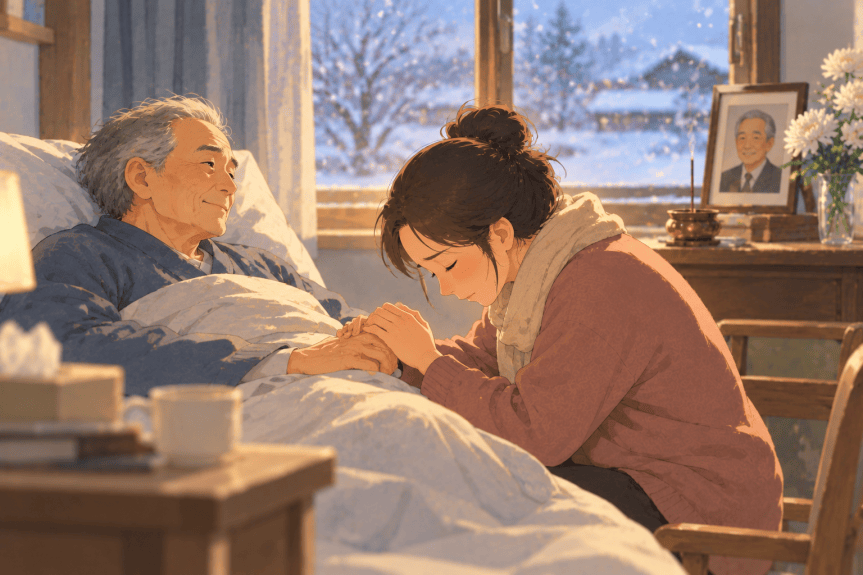
COVID-19 struck with devastating force and became the final blow to my father, who was
already suffering from lung cancer. That winter felt especially bleak and desolate. Snow
was falling, yet even the snowflakes did not feel as cold as my heart.

My father was the person I respected most in my life. He was the “backbone” of our family.
Born in a rural village in northeastern China, my father was not only the pride of my
grandparents but also the pride of the entire village. In those difficult times, for a boy from a
poor rural family to be admitted to a prestigious university was almost like becoming the
top scholar in the ancient imperial examinations—a promising young man had risen from
humble beginnings.

Yet my father had a very difficult childhood. He lost his mother at a young age when my
grandmother passed away. My grandfather had to be both father and mother, raising all six
children on his own.

Through perseverance and hard work, my father was able to leave the countryside behind.
He graduated from university with outstanding grades and was assigned to work in Tianjin.
In a city where he had no relatives or connections, he gradually established himself.
Through years of tireless effort, he achieved extraordinary results in an ordinary position
and eventually built a successful career.

Time passes so quickly, often catching us completely unprepared.

One day in July 2022, I noticed that my father, who had always been in good health, was
making a wheezing sound when he breathed. After medical examinations, he was
diagnosed with lung cancer.

We were utterly shocked.

We sought medical advice and treatment from various doctors and hospitals. In the end,
however, we had no choice but to opt for conservative treatment because the location of
his tumor made surgery unsuitable.

Tormented by the illness, my elderly father grew thinner by the day. Whenever I saw him
coughing so severely that he could barely catch his breath, I wished desperately that I
could bear his suffering for him. I would rather have been the one who was ill.

Yet no matter how deeply I loved my father, there was nothing I could do to take his
suffering away.

How small and powerless human beings can be in the face of illness!

Then, as if things were not already difficult enough, my father contracted COVID-19. His
already frail body suffered yet another devastating blow.

On December 25, 2022, while many people were celebrating Christmas, my father left us
forever.

I held my elderly mother in my arms and dared not shed tears, afraid that seeing my grief
would deepen her sorrow.

After comforting my mother, I softly recited the Kṣitigarbha Sutra beside my father, praying
that he would receive the blessings of the Buddhas and Bodhisattvas and be reborn in one
of the three higher realms or in a Pure Land.

According to local customs in Tianjin, the deceased may be transferred to a mourning hall,
where the family holds memorial rites. Traditionally, the body remains there for three days
so that relatives and friends can come and pay their respects.

After receiving the many relatives and friends who came to mourn my father, I remained
alone in the mourning hall.

Standing before my father’s portrait, I could no longer hold back my tears. I simply let them
flow.

One by one, I told my father all the things I had wanted to say to him over the years but
never had the chance to express.

Perhaps it was only my imagination, or perhaps it was because I missed him so deeply, but
I almost felt that he was right there in front of me, listening as I spoke.

Lament — A Regulated Verse

The desolate winter wind chills me to the bone;
Across the mournful sky, wild geese cry in sorrow.
Weary in both spirit and form of this cold mortal world,
The body now belongs beneath the pure white snow.

A loving father’s warmth has faded like a dream;
Could a child’s devotion ever be in doubt?
A lone chrysanthemum stands by the fence, as though on a distant riverbank.
I gaze sorrowfully into the hazy distance as a thin mist drifts in.

This poem could express only a fraction of the grief within my heart.
No matter how reluctant I was to let him go, my father’s body was eventually reduced to a
bag of ashes and placed inside a small urn.

I could not even be certain whether those ashes truly belonged to the physical body that
had once been my father. But in fact, whether they did or did not no longer mattered. The
body was merely a temporary combination of the four great elements. The “soul” of the
father I had known had already gone somewhere beyond my knowledge.

At that moment, I could not help recalling an impartation from Namo H.H. Dorje Chang
Buddha III
in Philosophical Sayings About Worldly Matters:
“A person grows wiser by learning from the setbacks he suffered. True knowledge
comes from one’s own experience. Secondhand experience is worth little.”

On the journey of life, how can we truly understand the truth of something or gain genuine
insight into our own state of being?

The essential point is that understanding cannot come merely from what we hear, nor
merely from what we see. Beyond seeing and hearing, we must learn to draw experience
and lessons from repeated setbacks and failures. Through practical experience,
verification, and sincere reflection upon our failures, we can gradually develop an inward
understanding of things and come to comprehend the truth.

Therefore, we must personally undergo experiences before we can truly understand them.

If we merely rely on hearsay without personally putting things into practice, what we gain is
not an understanding of their true nature. Only the experience gained through what we have
personally undergone, witnessed, and practiced can lead us to genuine understanding and
truth.

“Life is impermanent” was something I used to say often.

One day, I would talk with someone about how quickly time passes; the next day, I would
speak with someone else about how everything can change in an instant.

But in reality, I had never truly developed a deep awareness of impermanence.
It was not until my father passed away that I was finally awakened to it.
My father had truly given me a profound and painful lesson in impermanence.


Written by: Zai Lu Shang
Edited by: Yuese

Link: https://myhappylifestyle.net/2026/10/11/dorjechangbuddhaiii-covid-19-become-the-final-blow-that-took-my-father-away/

#DorjeChangBuddhaIII #Spirituality #Buddha #Buddhism
Only by Being Content and Cherishing Our Blessings Can We Find Happiness

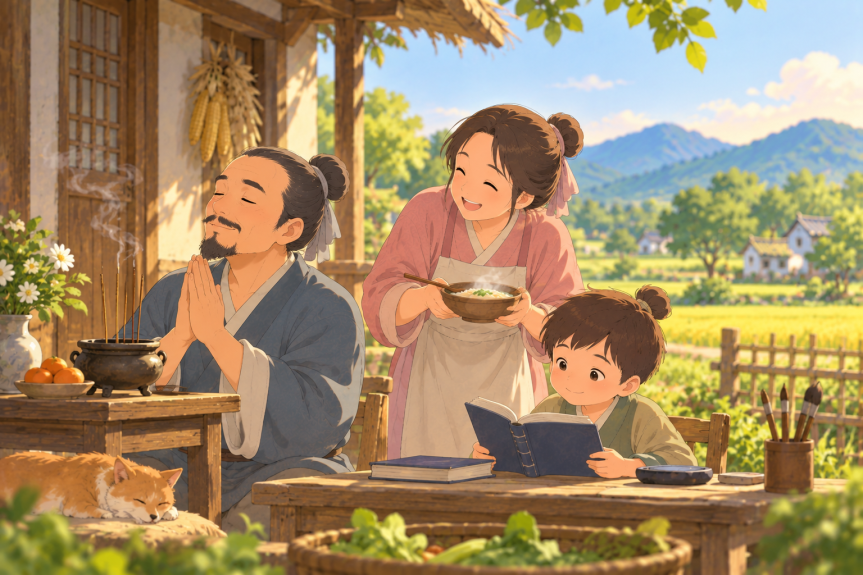
During the Ming Dynasty, there was a man named Hu Jiushao. He farmed while teaching his son to read and study, and the family had enough to meet their basic needs. Yet every day, he would burn incense and offer prayers, thanking Heaven for blessing him with another day of peace and contentment.

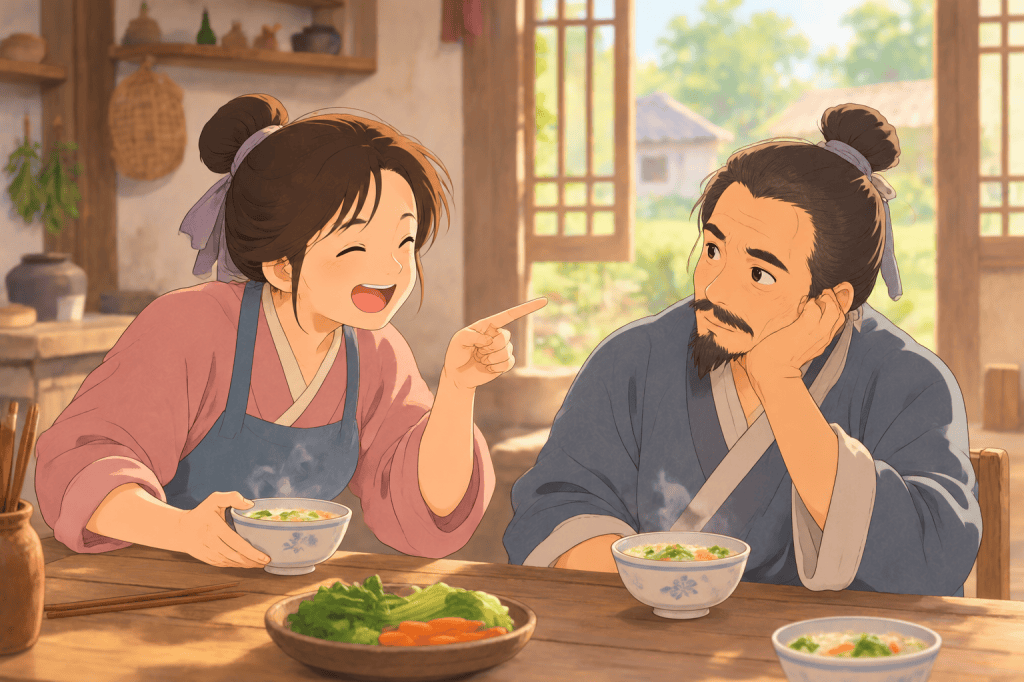
His wife laughed at him and said, “We eat vegetable porridge for all three meals. How can you call this a blessed life?”

He replied:

“First, we live in a time of peace and do not have to endure the suffering of war.

Second, our family has food to eat and clothes to wear, so we neither go hungry nor suffer from the cold.

Third, everyone in our family is healthy, and none of us has suffered the misfortune of imprisonment. Aren’t these blessings?”

In fact, people often fail to experience a sense of happiness because they have too many desires and do not know how to be content. As Namo H.H. Dorje Chang Buddha III taught:
“A person not appreciative of the good life he is living is one who has forgotten his past miseries. A person in good health is not aware of its blessings until he loses it.”


This means that some people are blessed without realizing how fortunate they are. Even though things are going well for them in many respects, they still feel that this is unsatisfactory and that is not as they wish. They are full of complaints and feel unhappy with their circumstances. This is mainly because, while living in happiness, they have forgotten the hardships of adversity.


When enjoying happiness, they forget the difficulties they once experienced. It is just like people who are strong and healthy often failing to appreciate how painful it is to become ill. They may neglect their health and fail to cherish their strong and healthy bodies. Once they fall ill, however, they may find themselves confined to bed, unable to move about and without even the desire to eat. Only then do they realize the joy and blessing of good health.


The story above reminds us that many of life’s blessings can be found in the ordinary things we have grown accustomed to. Peace, having enough food and clothing, and good health may seem ordinary, but once they are lost, we come to realize just how precious they truly are. Therefore, we should learn to be content, cherish our blessings, and appreciate everything we have in the present.

Only by being content and knowing how to cherish what we have can we experience an enduring sense of happiness and joy.


Written by: Yazhu

Edited by: Bodhi Seed

Link: https://myhappylifestyle.net/2026/09/30/dorjechangbuddhaiii-only-by-being-content-and-cherishing-our-blessings-can-we-find-happiness/

#DorjeChangBuddhaIII #Spirituality #Buddha #Buddhism
When We Put “Me” at the Center, We Inevitably Find Things Hard to Accept, Hard to Hear, and Hard to Understand

When We Put “Me” at the Center, We Inevitably Find Things Hard to Accept, Hard to Hear, and Hard to Understand

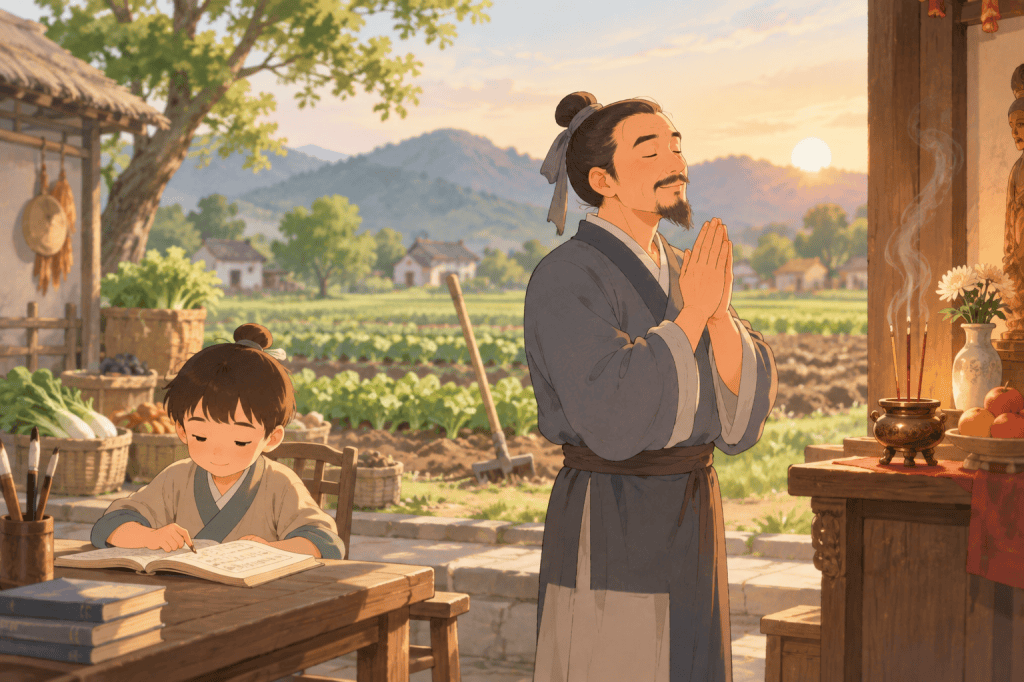
A close friend once complained to me about her child.

“My child is driving me crazy! He’s only four or five years old, yet he can already turn the whole household upside down!”

I asked, “What happened?”

She said, “He refuses to eat properly. After mealtime is over, he goes looking for cold leftovers. He wants to play until midnight, and if we refuse to play with him, he hits us—and he hits hard. Lately, he has been coughing constantly and has eczema all over his body. He has practically become a regular at the hospital…”

His eating habits were irregular, his sleep schedule was irregular, and he loved eating cold foods. With habits like these affecting his digestive health, how could he not get sick?

I then asked, “Do you often hit him? Is that why he has learned to hit others?”

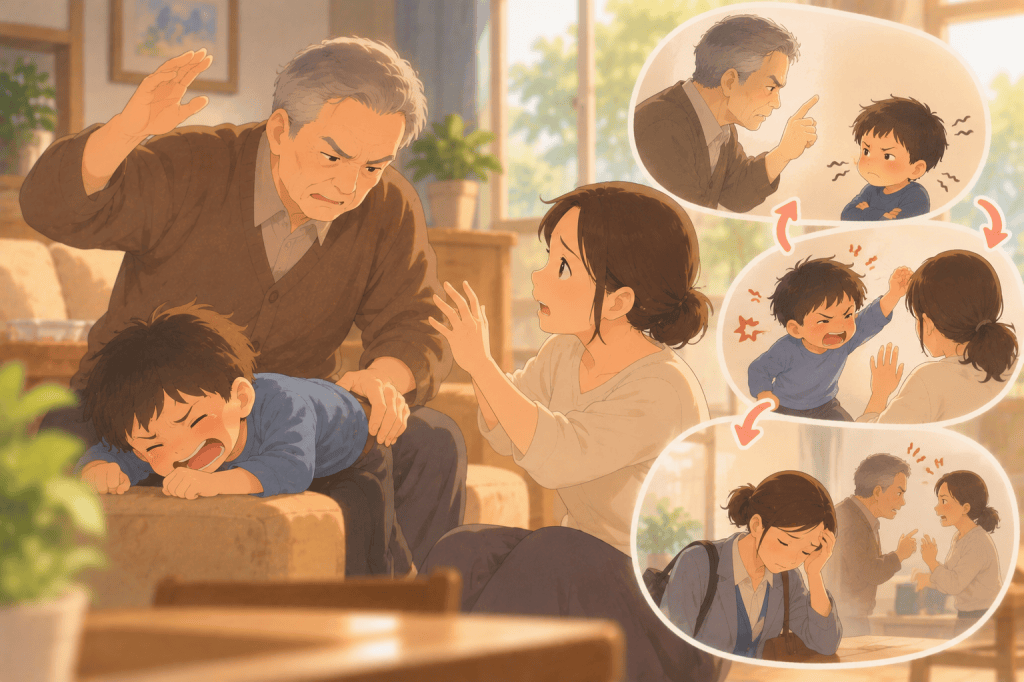
“Ah,” she sighed. “My father believes in strict discipline and corporal punishment. Whenever the child misbehaves, Grandpa gives him a good spanking. I’ve tried talking to my father and asking him not to hit the child so much, but he won’t listen. As a result, the more the child is hit, the more unruly he becomes, and the more unruly he becomes, the more he gets hit. By the time I come home from work, I’m completely exhausted by all of this. Now even my father and I get upset with each other over the smallest things. We find each other’s behavior hard to accept, each other’s words hard to hear, and each other’s thinking impossible to understand…”

I couldn’t help but sympathize with my friend. Her child had not even reached the stage when she would have to help him with schoolwork, yet the household was already in complete chaos.

As the saying goes, “It takes ten years to grow a tree, but a hundred years to nurture a person.” Raising and educating a child is truly no easy task. When family members disagree about how a child should be raised, conflict is almost inevitable.

For many years, educators have advocated encouragement and positive reinforcement rather than corporal punishment. We cannot truly win people over through force; we need to reason with them and reach them through understanding and compassion. Two generations have different life experiences, levels of education, personalities, and understandings of life. Naturally, their approaches to raising a child can be very different. One wants strict and forceful discipline, while the other favors a gentle and patient approach. In the end, neither approach is carried out effectively, and the two sides only grow increasingly frustrated with each other.

But do situations in which people find one another “hard to accept, hard to listen to, and hard to understand” exist only between fathers and daughters? Of course not. Conflicts arise between husbands and wives, relatives and friends, coworkers, classmates, people from the same hometown, and even complete strangers.

Two of my coworkers once had a disagreement over a work assignment.

Coworkers A and B were responsible for producing the company magazine. A handled planning, editing, proofreading, and communication with the printing company, while B was responsible only for layout and typesetting. Because they were rushing to meet the deadline, A reviewed three rounds of proofs, checked the sample copy, and then authorized printing.

The following day, A looked through the sample again and discovered that the month printed on the cover was incorrect. During proofreading, A had already asked B to correct it. However, B had carelessly failed to properly save the final revised file, so the error remained. At the same time, A had also failed to notice the mistake when reviewing the sample copy.

When they contacted the printing company again, they learned that the company magazine was already being printed. Reprinting the cover would require additional expense. And so, a loss that should never have occurred was incurred.

A blamed B: “Why didn’t you properly save the file after making the correction? Why didn’t you take responsibility for your work?”

B, in turn, blamed A: “Why didn’t you carefully check the sample?”

Each found fault with the other. Neither wanted to hear what the other had to say, and neither could understand how the other could have been so careless.

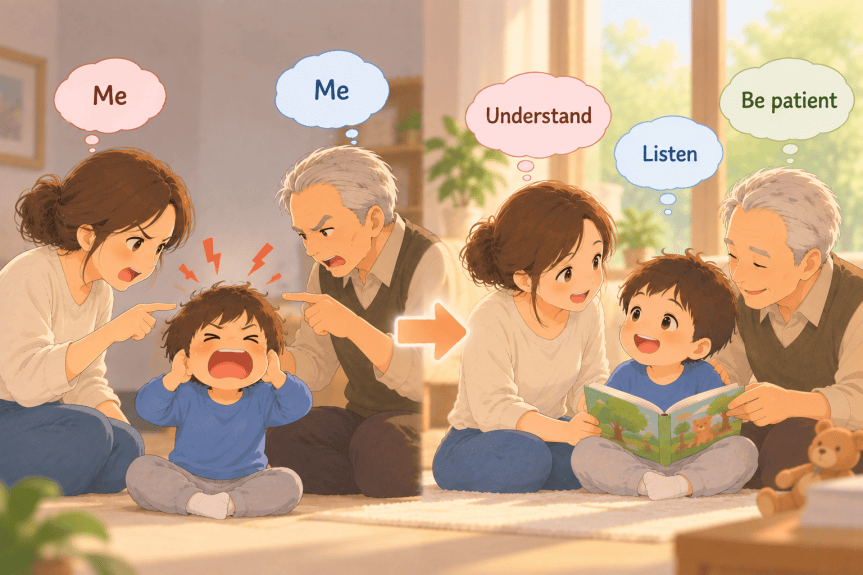
In fact, both of these real-life situations—the disagreement between father and daughter over how to raise the child and the conflict between coworkers caused by a lack of carefulness—stemmed from putting “me” at the center.

The grandfather thought, “If my grandson doesn’t behave, he needs to be disciplined physically. After all, this is how I raised several children.”

The mother thought, “When my son misbehaves, adults should reason with him. We shouldn’t substitute punishment for proper guidance. We should teach him gently and patiently.”

And what about the two coworkers?

One thought, “I already checked everything thoroughly.”

The other thought, “You were the one who failed to check carefully.”

Because they failed to cooperate effectively, mistakes naturally occurred.

Yet the father and daughter actually shared the same goal: to raise the child well.

And the two coworkers also shared the same goal: to produce the magazine well.

The attitude of “I don’t care what you think; what matters is what I think” places the self above everything else.

If people want to live together harmoniously, they need to learn to put themselves in one another’s shoes. If the grandfather listened to his daughter’s suggestion to use gentleness rather than force, and if the daughter communicated more patiently with her elderly father about ways of educating the child, wouldn’t their relationship become more harmonious?

Likewise, if the two coworkers showed greater understanding toward each other’s responsibilities, reminded one another when necessary, and complemented each other’s work, wouldn’t they be able to accomplish the task successfully? What would there be to argue about?

As Namo H.H. Dorje Chang Buddha III said:

“A protracted dispute is wrong on both sides. Why? Entangled in such a dispute, both sides see only the faults of the opposing party and the merits of his own. Continuing dispute will but increase the wrongdoing. When one realizes that the other party is as annoyed as he is, one is apt to withdraw from the dispute.”

By letting go of attachment to the self and our own views, and by learning to be tolerant and understanding of one another, we become able to listen to other people’s opinions and recognize their strengths. In this way, we can gradually move from stubbornly clinging to our own views toward accepting and appreciating others.

Always remember: “I” am not the measure of the world.

If we always put “me” first in everything, we are simply creating trouble for ourselves. Instead, we should think: I am a Buddhist practitioner who still has much to be ashamed of. I still have many shortcomings and faults. I should learn more from the strengths of others and spend less time looking for their faults.

As the saying goes:

“The sea is vast because it embraces hundreds of rivers; a person is great because of the capacity to be tolerant.”

When we broaden our hearts and minds, expand our perspective, and elevate our moral character, our work and our lives can proceed more smoothly. We can gradually move away from selfish attachment to the self and toward benefiting both ourselves and others.

Isn’t letting go of the constant focus on “me” itself part of cultivation?

Written by: He Suoyou

Link: https://myhappylifestyle.net/2026/09/28/dorjechangbuddhaiii-when-we-put-me-at-the-center/

#DorjeChangBuddhaIII #Spirituality #Buddha #Buddhism
How Can We Acquire Wealth with Peace of Mind?

How Can We Acquire Wealth with Peace of Mind?

In this world, no one can live without the basic necessities of food, clothing, shelter, and transportation. Everyone must work to provide for these needs. As the saying goes:

“The bustling world is driven by profit; the surging crowds are drawn by gain.”

It can be said that no one can live entirely without money, and few people dislike having it. As a result, money and wealth have often become symbols of a person’s social status and are frequently used in modern society as measures of one’s ability and success.

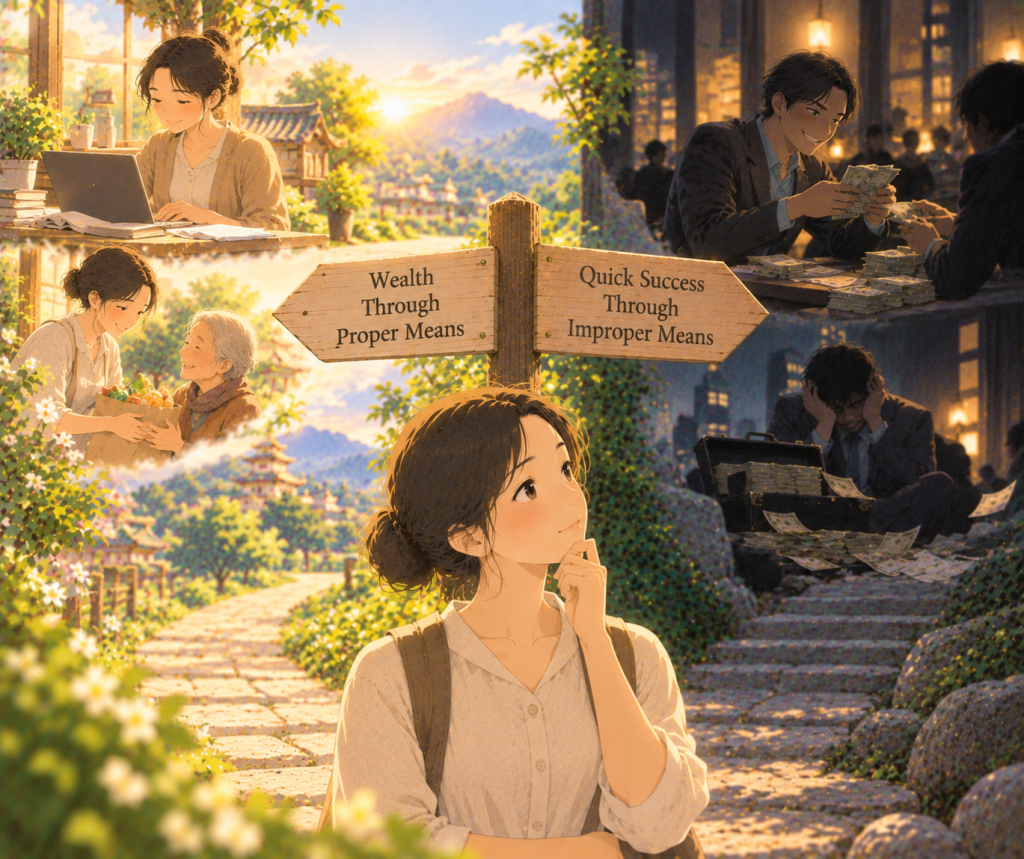
However, as another saying goes, “A person of integrity may value wealth, but acquires it through proper means.” Under the pressure of making a living or the desire to compare themselves with others, many people become eager for quick success. Some stray onto improper paths and even resort to unscrupulous means for profit, completely forgetting the principle that ill-gotten wealth should not be taken; what comes easily through improper means may just as easily be lost.

But what exactly constitutes ill-gotten wealth?

Many people narrowly assume that only money or property obtained through theft, deception, robbery, embezzlement, or similar wrongdoing can be considered ill-gotten. In reality, the scope of ill-gotten wealth extends far beyond these obvious examples.

Take an ordinary employee as a simple example. First and foremost, we should be diligent, dedicated to our work, and conscientious in carrying out our responsibilities. The salary and compensation we receive in return are then rightfully earned.

On the other hand, if a person is lazy, avoids responsibility, exploits loopholes in the system or workplace, does as little work as possible while still collecting a full salary, and constantly tries to get by through cunning shortcuts, then it is difficult to regard all that income as properly earned. Such a person has failed the organization as well as the supervisors and coworkers who placed their trust in them. Sooner or later, those debts will have to be repaid.

There is an old saying: “Whom has Heaven ever spared?”

Putting that aside, people who habitually behave this way are unlikely to make substantial progress wherever they go. Without planting the cause of diligence and self-improvement, how can one expect to reap the fruit of advancement? We often find that when organizations reduce their workforce, those who habitually shirk responsibilities, take shortcuts, and rely on petty cleverness are particularly vulnerable. In the end, their cleverness may work against them.

Namo H.H. Dorje Chang Buddha III teaches us in Philosophical Sayings for Worldly Matters:

“Richness comes from diligence. A rich person is one who is diligent and who chooses a fit career with proper goals.”

In other words, if we wish to attain prosperity, we must first be diligent. Diligence alone does not necessarily guarantee wealth, but without diligence, prosperity is difficult to achieve. Therefore, we must work diligently and apply ourselves through proper and constructive effort.

Second, diligence must be accompanied by ability and talent. Simply working hard without developing the necessary knowledge and capabilities may not be enough to build a successful undertaking. With knowledge, ability, and wisdom, we learn how to distinguish what should be pursued from what should be avoided. We become better able to assess circumstances and make sound choices—choosing endeavors with wholesome and promising prospects rather than improper, harmful, narrow, or unsustainable paths.

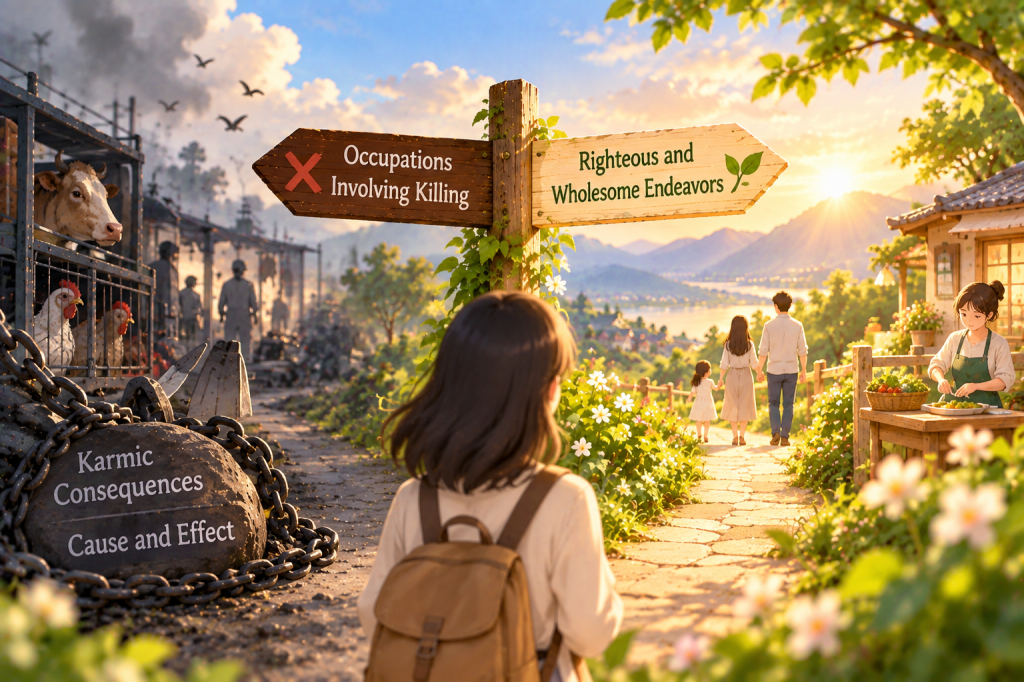
Third, and most importantly, the nature of one’s undertaking must be proper. The occupation or business we choose should follow a righteous path, and our intentions and conduct must also be upright. We should never harm the interests or well-being of others merely for our own benefit.

When it comes to what constitutes a proper occupation, however, many people have misconceptions. Some assume that anything permitted by law must therefore be proper. That is not necessarily so from the Buddhist perspective.

Take, for example, businesses involving the sale of live animals for food and the slaughtering of animals. Although such businesses may be permitted under national law, from the Buddhist perspective they cannot truly be regarded as proper livelihoods because they involve extensive killing. Such actions are believed to affect the karmic consequences one experiences in this life and in future lives.

This is not regarded in Buddhism merely as superstition, but as a matter of cause and effect. The Buddha taught that all living beings are equal. Pigs, dogs, cattle, sheep, fish, shrimp, birds, and other animals are all living beings. They too can experience pain and fear; they struggle, cry out, and try to escape suffering.

If our accumulation of wealth is built upon the suffering and cries of countless living beings, how can we assume that we ourselves will remain entirely untouched by the consequences? In ordinary language, one might ask, “Where would justice under Heaven be?” From the perspective of Buddhist teachings, the question is one of cause and effect.

If we observe carefully, we may see people who accumulated wealth through businesses involving the killing of living beings but later lost much of that wealth through illness, accidents, or other misfortunes.

I once knew the owner of a pharmacy whose business had initially been doing quite well. Several years later, however, the pharmacy was shut down following an investigation, leaving the owner owing substantial sums of money to various sales representatives. Whatever could be removed from the store was taken away.

Not long afterward, the owner passed away before reaching the age of sixty. His wife spent several years moving from place to place before eventually finding work as a caregiver, which barely provided her with enough to live on. Even then, she was afraid to let others know where she was. Their son was also imprisoned for several years because of debts involving high-interest loans and other problems.

I wondered how a family that had once operated a seemingly successful pharmacy could have fallen into such circumstances. Later, I heard that the elderly couple had worked as pig slaughterers in their earlier years. After saving several hundred thousand yuan, they left that business and opened the pharmacy. Their son, however, lived extravagantly, quickly squandered the family’s savings, and accumulated high-interest debt. In the end, a once-established family fell apart.

I also knew of someone who had worked in the fishing industry for more than twenty years. His daughter developed an unusual illness that severely affected her mental functioning. The family spent a great deal of money seeking treatment, but her condition did not improve. Later, the man himself became seriously ill, and the family eventually exhausted all of its savings.

If we pay attention, we may encounter many stories of this kind.

Many people wonder why so many unfortunate things happen in life. From the Buddhist perspective presented here, apart from the effects of harmful causes created in previous lives ripening in this life, some suffering may also be related to unwholesome karma created through our present actions.

The Mangala Sutta (Discourse on Blessings) teaches:

“To engage in occupations that cause no harm—this is the greatest blessing.”

Therefore, for the well-being and peace of ourselves and our families, we should stay away from occupations involving killing. From this Buddhist perspective, wealth accumulated through the taking of life is among the most troubling forms of improperly acquired wealth. The more such wealth is accumulated, the heavier the corresponding karmic consequences may become, for causes bring corresponding effects, and no one can ultimately escape the workings of cause and effect.

Therefore, if we wish to prosper, we should apply our diligence, abilities, and talents to righteous and wholesome endeavors. Wealth acquired in this manner can truly be used for our benefit without becoming a source of calamity.

As the saying goes, “Great virtue carries great responsibility and abundance.”

Virtue refers to morality, character, self-cultivation, and integrity. Material possessions include money, wealth, influence, and the conditions of our lives. Position refers to status, authority, office, and power.

We should therefore guard our minds and uphold virtue. We must never allow greed to drive us into reckless conduct. If one possesses little virtue yet seeks an exalted position, has limited wisdom yet attempts enormous undertakings, has little strength yet tries to bear an overwhelming burden, or possesses insufficient ability yet seeks great responsibilities—how could such imbalance not eventually bring trouble?

True prosperity, therefore, is not simply about how much wealth we accumulate. What matters equally is how that wealth is obtained, what causes we create in obtaining it, and whether we can enjoy it with a clear and peaceful conscience.

Written by: Danbo
Edited by: Dongji

Link: https://myhappylifestyle.net/2026/09/24/dorjechangbuddhaiii-how-can-we-acquire-wealth-with-peace-of-mind/

#DorjeChangBuddhaIII #Spirituality #Buddha #Buddhism
Recognize Your Shortcomings and Strive Forward; Though the Mountain Is Distant, Press On

Recognize Your Shortcomings and Strive Forward; Though the Mountain Is Distant, Press On

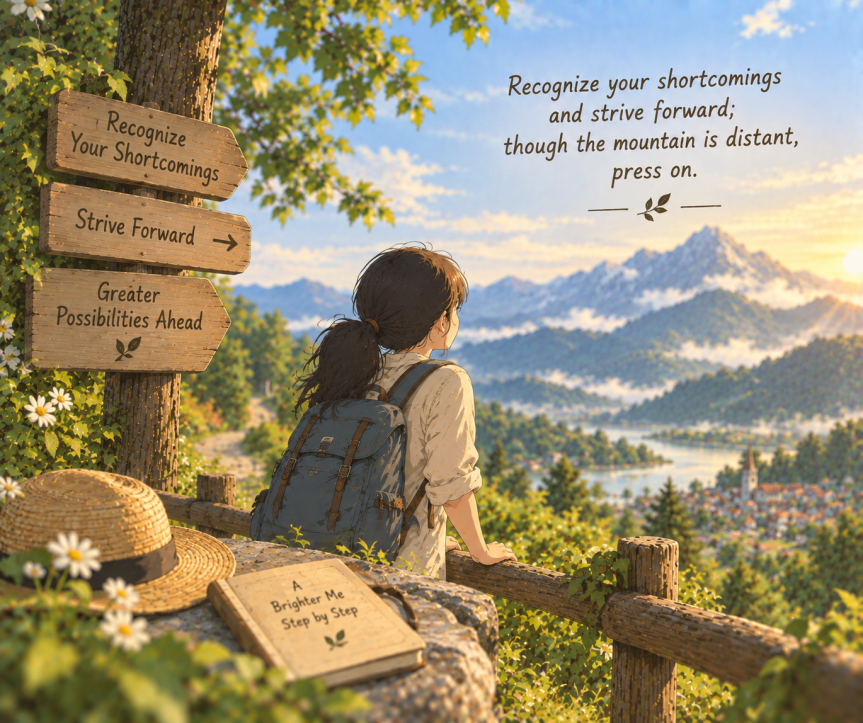
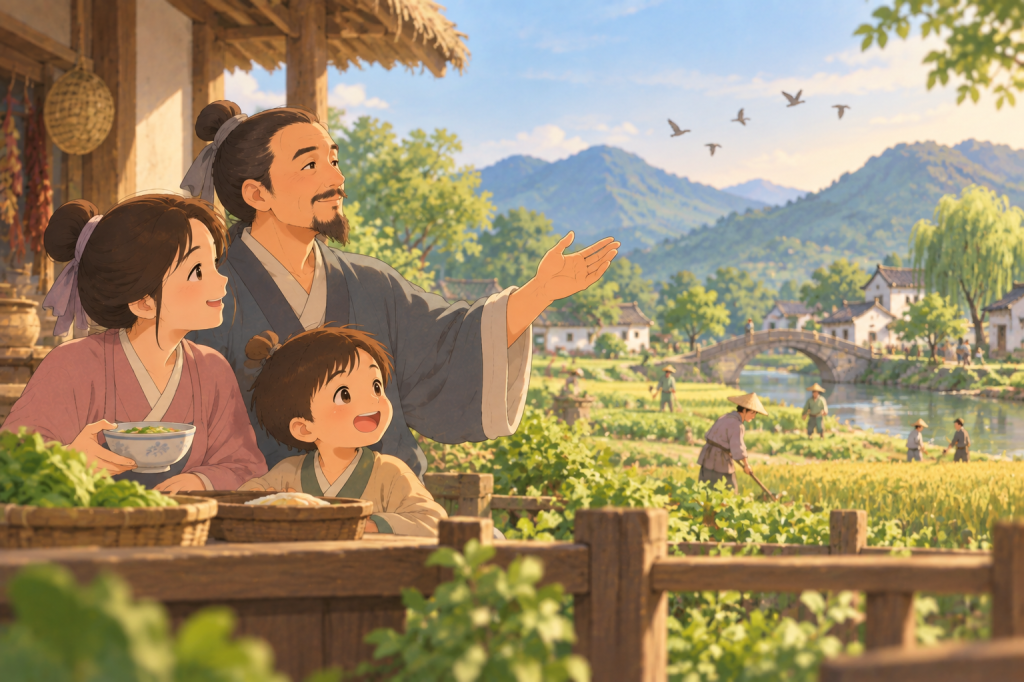
A few days ago, I came across a saying: “Recognize your shortcomings and strive forward; though the mountain is distant, press on.” I found it deeply thought-provoking.

Taken literally, it means that when we recognize our shortcomings, we should strive to improve ourselves; when we see that the mountain ahead is distant and the path rugged, we should gather our strength and continue moving forward.

This saying also reminds us to look far ahead and establish lofty aspirations and goals. No matter how difficult the road before us may be, we should continue striving toward them.

As Namo H.H. Dorje Chang Buddha III taught in Philosophical Sayings on Worldly Matters:

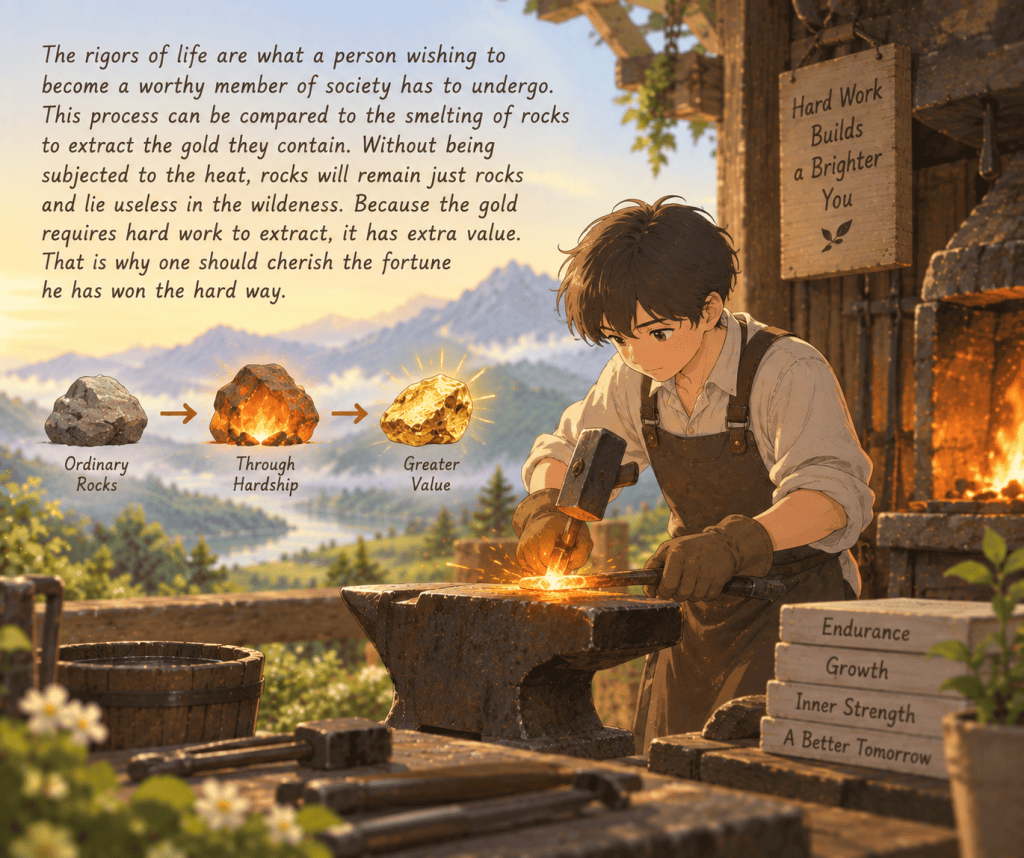
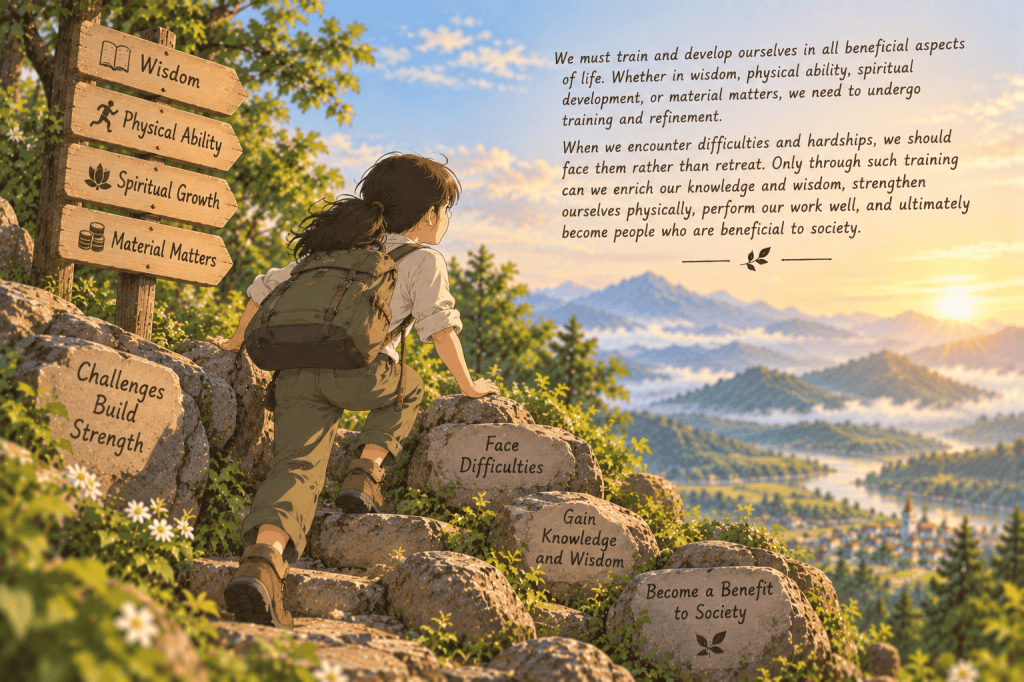
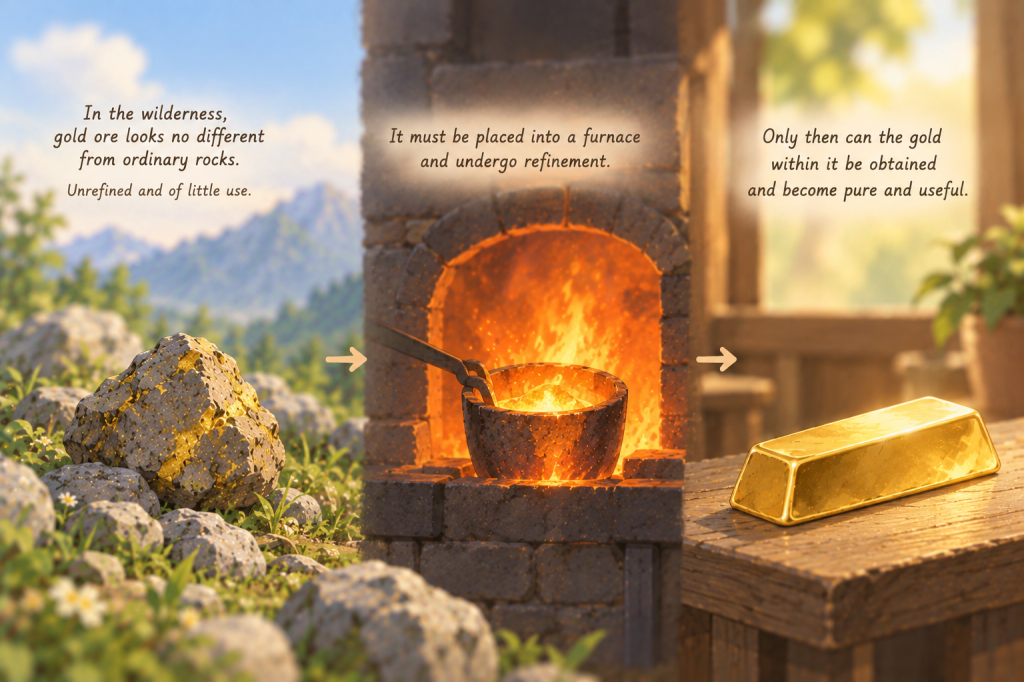
The rigors of life are what a person wishing to become a worthy member of society has to undergo. This process can be compared to the smelting of rocks to extract the gold they contain. Without being subjected to the heat, rocks will remain just rocks and lie useless in the wilderness. Because the gold requires hard work to extract, it has extra value. That is why one should cherish the fortune he has won the hard way.

The meaning is that we must train and develop ourselves in all beneficial aspects of life. Whether in wisdom, physical ability, spiritual development, or material matters, we need to undergo training and refinement.

During this process, when we encounter difficulties and hardships, we should face them rather than retreat. Only through such training can we enrich our knowledge and wisdom, strengthen ourselves physically, perform our work well, and ultimately become people who are beneficial to society.

It is just like gold ore, which must be refined in a furnace before it can become pure gold. If a piece of gold ore is never placed into the furnace, the gold within it cannot be obtained. If it is simply left in the wilderness, among mountain valleys, cliffs, rocks, and wild vegetation, it appears no different from the ordinary stones around it—unclean, unrefined, and of little use. Put simply, without refinement, it remains nothing more than an ordinary piece of rock.

Likewise, as human beings, we must use various beneficial ways to train and refine ourselves, developing our knowledge and abilities, building successful undertakings, and cherishing the happiness that results from our efforts.

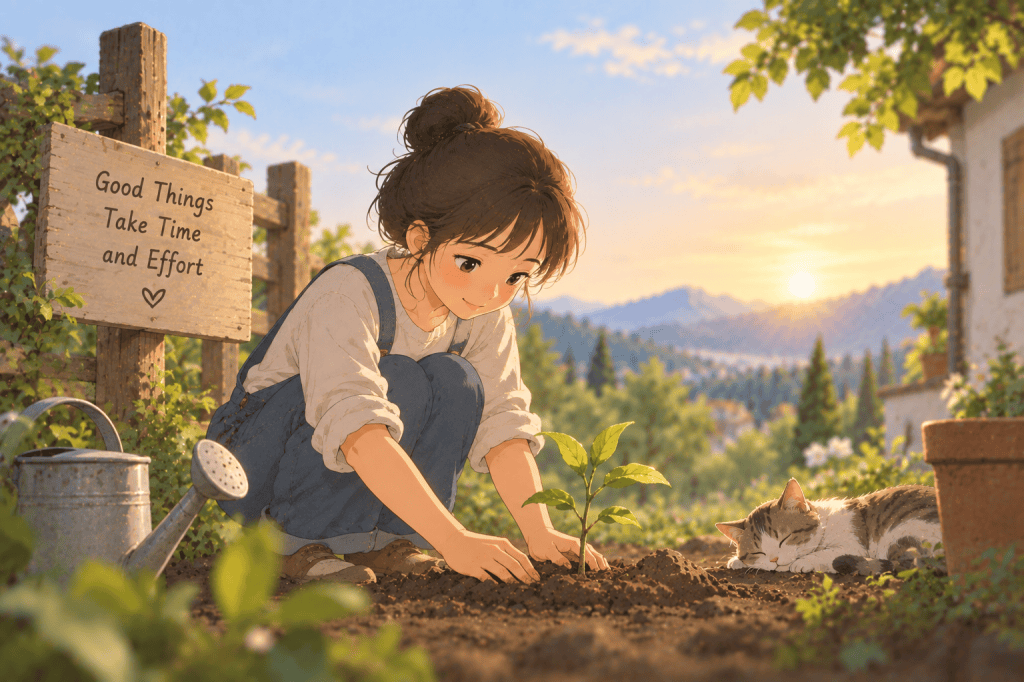
If blessings and happiness could be obtained effortlessly, there would be no need for us to train ourselves or strive for anything. It is precisely because happiness and blessings are often attained through trials and refinement that we should especially cherish what has not come easily. By knowing how to cherish our blessings, we can continue to enjoy the benefits they bring.

From this teaching, we can clearly see that there is no such thing as instant success. Genuine growth and achievement are inseparable from continuous effort and refinement. When confronted with difficulties and hardships, only by facing them courageously and refusing to fear setbacks can we improve ourselves through repeated trials and ultimately achieve genuine transformation.

The Same Is Even More True in Learning Buddhism and Cultivation

What is true of worldly accomplishments is even more true of learning Buddhism and cultivating ourselves.
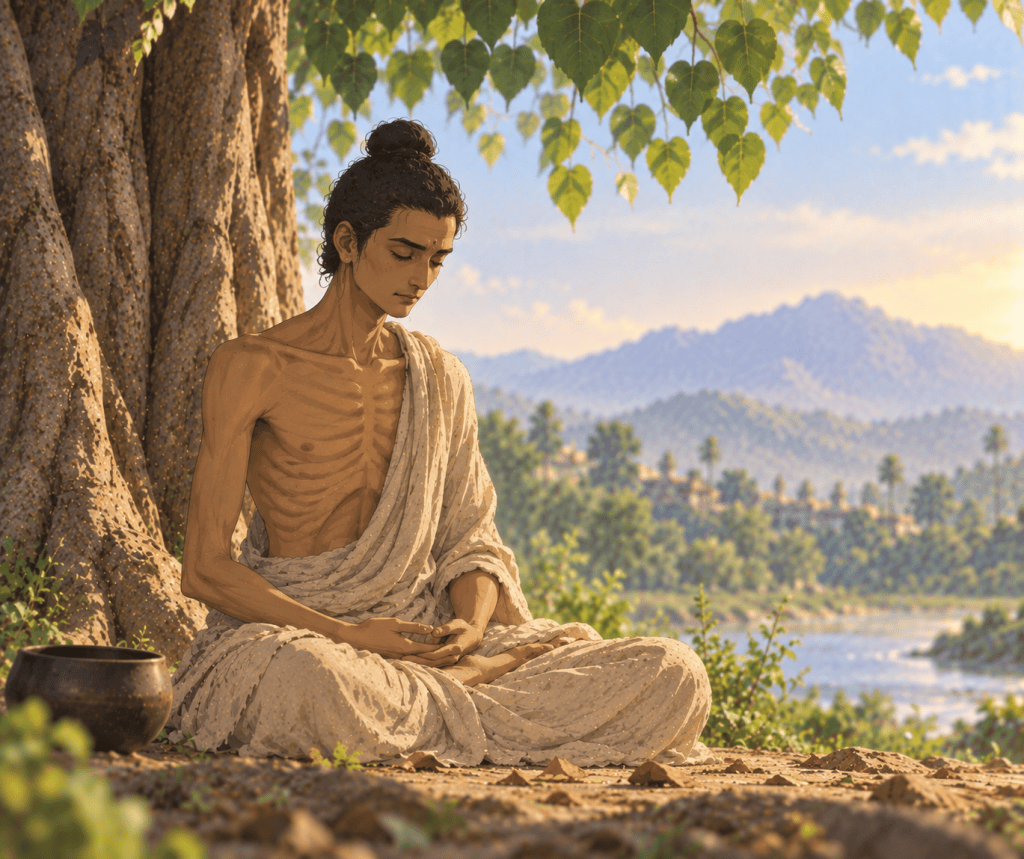
In the process of transforming from an ordinary being into a holy being, we will inevitably encounter various obstacles, hardships, and trials. If we become afraid of these difficulties and refuse to move forward, we will forever remain ordinary beings. We will not be able to transform from ordinary beings into holy beings, nor will there be hope of transcending the suffering of samsara.

When Patriarch Milarepa sought to learn the Buddha Dharma from Master Marpa, he endured extraordinary hardships that ordinary people could scarcely bear, yet he did so without complaint. Without his determination to seek the Dharma and his perseverance in the face of such severe trials, there could not have been the Milarepa who later became such an accomplished practitioner.

Likewise, before attaining Buddhahood, Namo Shakyamuni Buddha underwent six years of ascetic practice in pursuit of the ultimate truth. Had the World-Honored One not resolved to seek the path in order to liberate living beings from the suffering of birth, aging, sickness, and death, who knows when Buddhism would have arisen in the Saha world?
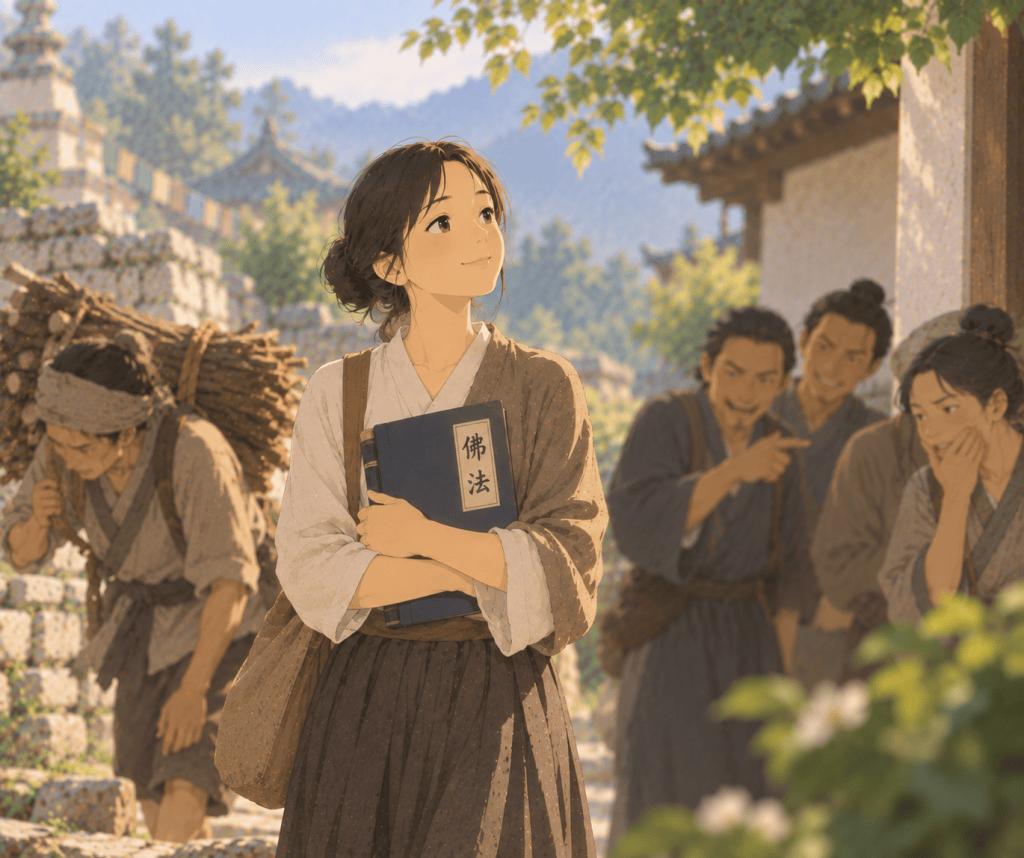
Therefore, if we who learn Buddhism wish to attain accomplishment and liberation, we must persevere through the trials and hardships we encounter.
No matter how difficult life becomes, we should remain content even in poverty and never covet wealth obtained through unrighteous means. When confronted with ridicule or abusive words, we should remain composed rather than responding with insults or harsh speech. No matter how exhausting our work may be, we should not become lax and should always regard learning Buddhism as our primary undertaking. When we encounter attacks, slander, or isolation, we should remain calm rather than respond with anger, hatred, or retaliation.

In short, we can no longer simply act according to our impulses as we may have done before learning Buddhism. We must discipline ourselves in all circumstances, guard our minds, uphold what is right, and stay away from wrongdoing.

No matter how difficult the adversity we encounter, we must persevere. If we continue persevering, perhaps at the next turning point, good fortune and blessings may arrive when we least expect them.

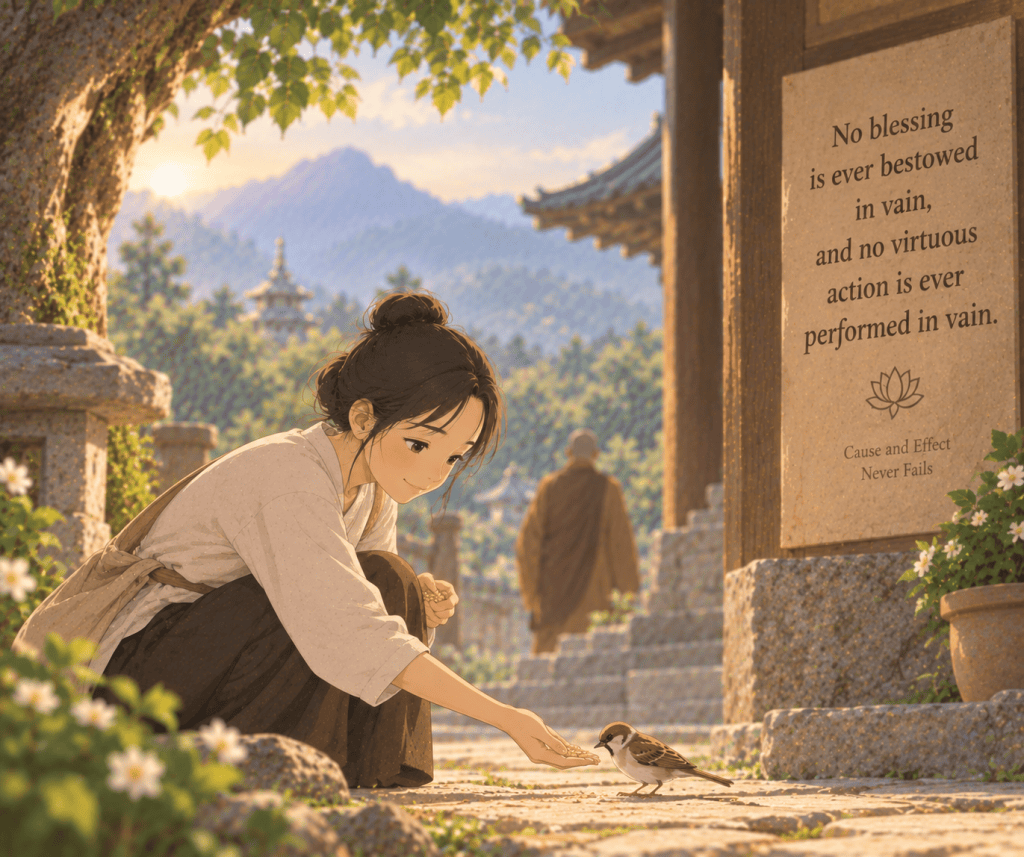
There is a saying: “No blessing is ever bestowed in vain, and no virtuous action is ever performed in vain.” This is precisely related to the law of cause and effect.

Of course, cultivation progresses through one stage after another. Each stage brings its own trials, and each stage may also bring its own unexpected joys. When joyful circumstances arise, we should not become carried away; when obstacles appear, we should not complain.

If we can always maintain a peaceful yet steadfast mind and refuse to retreat in the face of difficulties, then profound transformation—turning from an ordinary being toward holiness—can ultimately be realized.

May these words serve as mutual encouragement for all those who are striving to better themselves and move forward.

Written by: Fuyao Zhishang
Editor: Dongji

Link: https://myhappylifestyle.net/2026/09/22/dorjechangbuddhaiii-recognize-your-shortcomings-strive-forward/

#DorjeChangBuddhaIII #Spirituality #Buddha #Buddhism