After Half a Lifetime of Storms, I Finally Learned to Let Go and Make Peace with Myself
It is only upon reaching middle age that we gradually come to understand that life is never a smooth journey. Instead, it is a series of challenges we must overcome, one after another. Emotional struggles trouble the heart, financial difficulties burden the body, and cultivating the right mindset is a lifelong practice. Maturity, in essence, comes down to learning three things: enduring hardship, shouldering responsibility, and maintaining inner stability.
When I was young, I was stubborn and found it difficult to let go of anything. Due to health reasons, my spouse and I were unable to have children. The day we received the medical examination results, the subject of children became forbidden in our home. Neither of us wanted to mention it. We spoke less and less, and our relationship grew colder with each passing day. Eventually, our marriage came to an end.
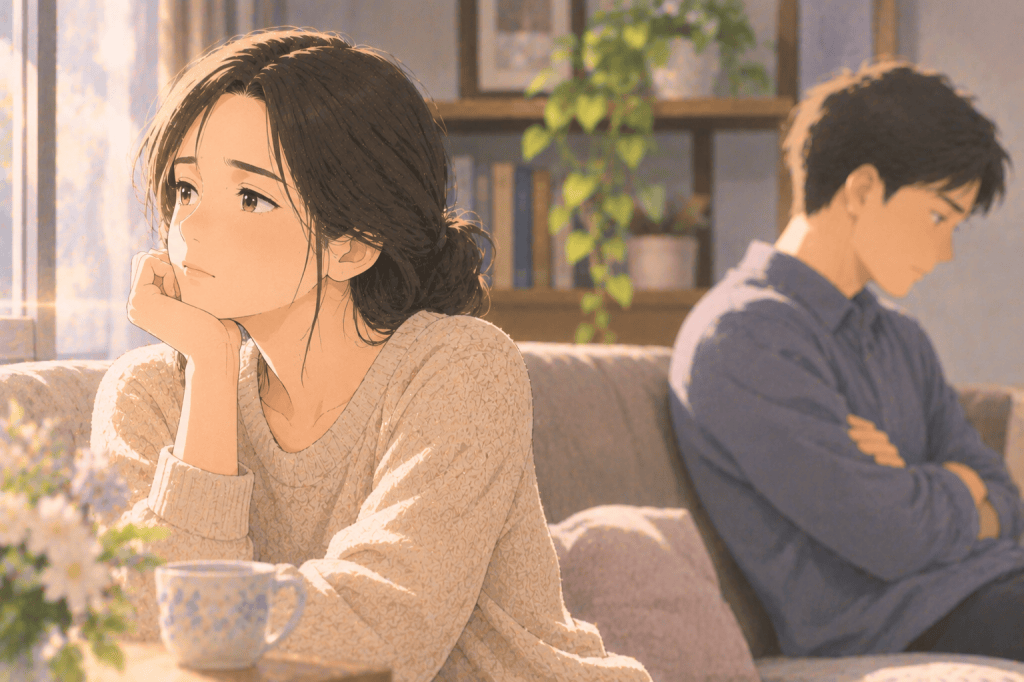
The day I left, I took only my clothes, leaving everything else behind. I walked away without looking back. All I wanted was to escape. The prolonged emotional neglect and constant belittlement I had endured had become unbearable. I could not tolerate it for even one more day—not even a single day! That marriage had brought me nothing but endless exhaustion and grievances too painful to express.
I had always believed that sincerity would be met with kindness and that giving wholeheartedly would bring an equal response. Instead, I remained trapped in the pain of separation, clinging to the past and struggling against myself. Before I knew it, more than ten years had slipped away.
The moment that finally helped me let go came in an unexpectedly ordinary way.
One day, while I was out shopping, I saw an elderly couple walking past me, supporting each other. They moved very slowly. The elderly woman had difficulty walking, but her husband never hurried her. He simply stayed by her side, accompanying her one step at a time.
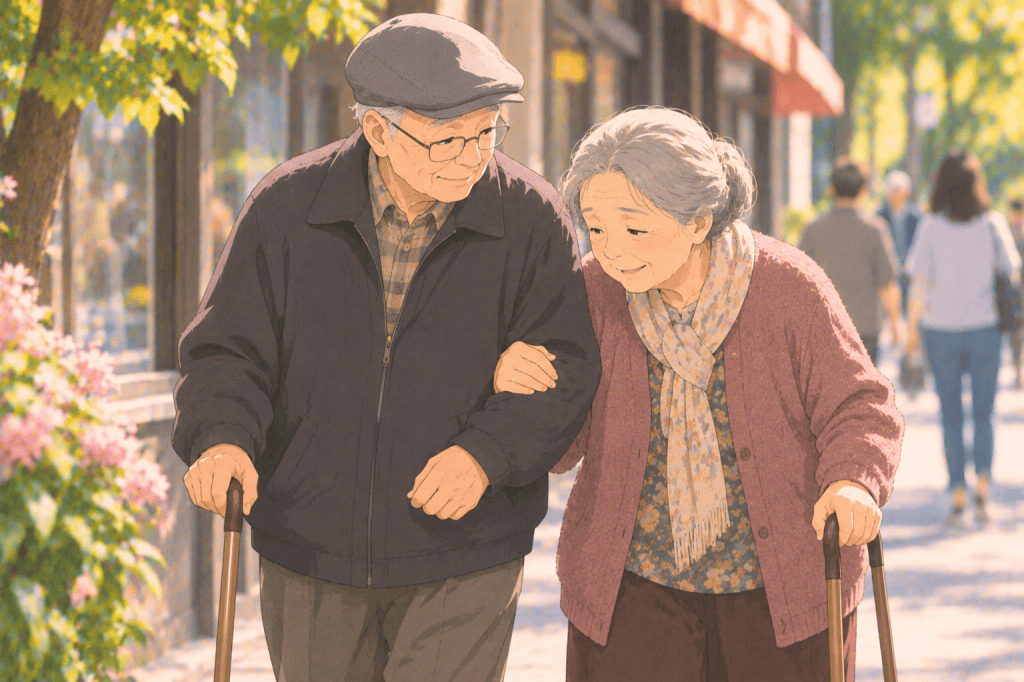
At that moment, something suddenly became clear to me: meetings and partings are shaped by causes and conditions. Some relationships simply come to an end. Holding on desperately only brings more suffering to oneself. Meeting someone is a matter of affinity; parting is a natural part of life. Letting go of the past does not necessarily mean forgiving someone else. Sometimes, it simply means giving yourself permission to be free.
Having endured the trials of love and entered middle age, I finally came to understand the heavy burden of earning a living.
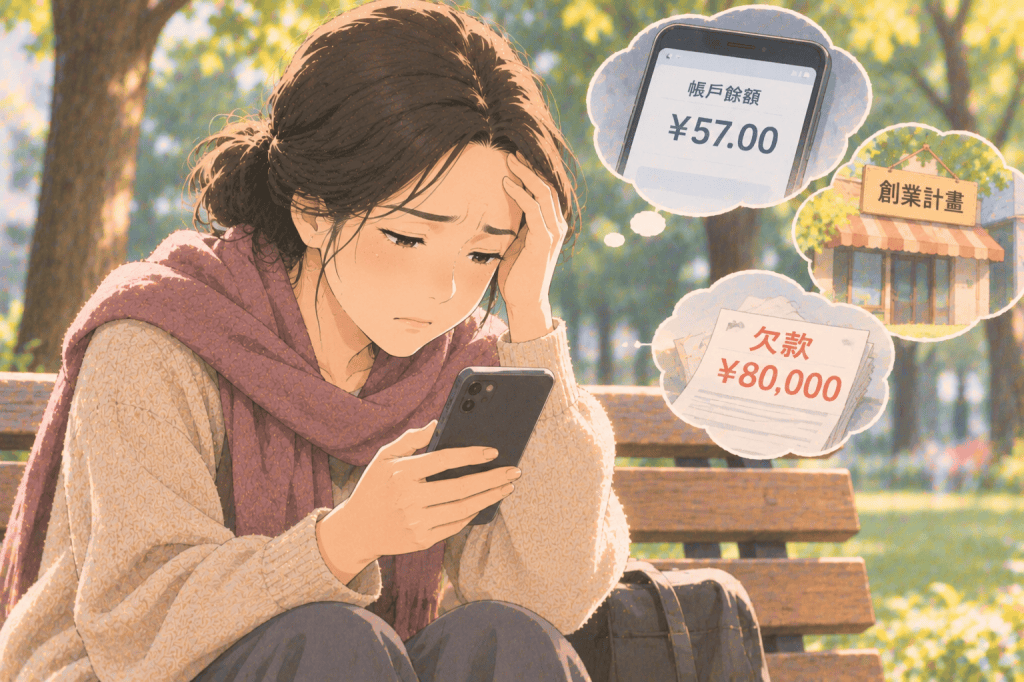
In the blink of an eye, I was forty-eight years old. After twenty years of diligent work, I had managed to save a modest amount by living frugally. I had hoped to open a small business and enjoy a stable life. Instead, the venture failed, wiping out all my savings and leaving me with 80,000 yuan in debt.
Half a lifetime of hard work had vanished overnight!
During my darkest days, I would sit alone on a park bench, repeatedly opening my banking app and staring at the balance: just 57 yuan.
Only one thought occupied my mind: How was I going to pay next month’s bills?
It was around that time that I gradually began to understand something. Money can sustain our daily necessities, but it cannot measure the value of our lives. There is no need to compare ourselves with others or chase after vanity. Living honestly, simply, and steadily is itself a form of peace in an ordinary life.
The regrets of love can eventually be softened by time. Financial hardship can be overcome through perseverance. But our mindset is something we must continue to cultivate throughout our entire lives.
During those two years of overwhelming debt, what tormented me most was not the phone calls from creditors, but the voices inside my own mind.
Resentment, self-blame, and regret took turns tormenting me.
Why did this have to happen to me? Why hadn’t I listened to the advice of others? Why had I invested my money in a business I knew so little about?
At night, I tossed and turned, unable to sleep. During the day, I forced myself to smile, terrified that acquaintances might discover my financial difficulties. I even took longer routes when grocery shopping just to avoid running into people I knew.
At first, I tried to survive by simply enduring everything, swallowing my grievances and forcing myself to carry on. But the more I suppressed my feelings, the heavier they became.
Eventually, I learned to make peace with myself.
I allowed myself to feel sad. I allowed myself to fail. Instead of telling myself, “I should never have lost,” I began asking, “I lost. So what comes next?”
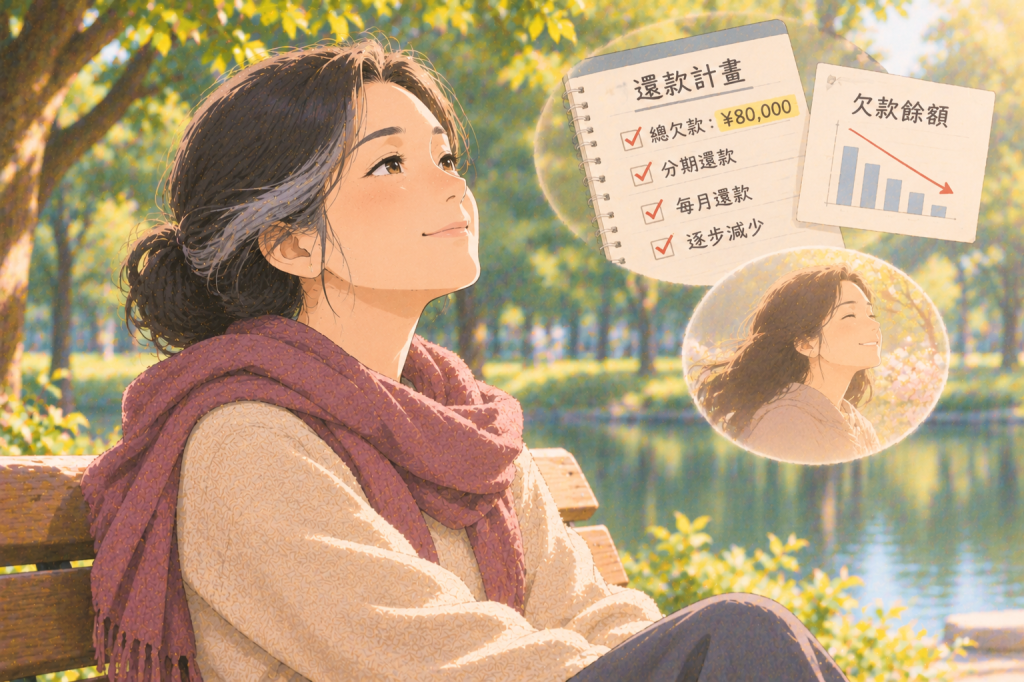
I started keeping track of my finances and divided the 80,000 yuan debt into manageable repayment plans. Each month, I paid back a little. As I watched the amount gradually decrease, the heavy stone weighing on my heart also began to grow lighter.
I stopped placing my emotional well-being in other people’s hands and stopped measuring my self-worth through their opinions.
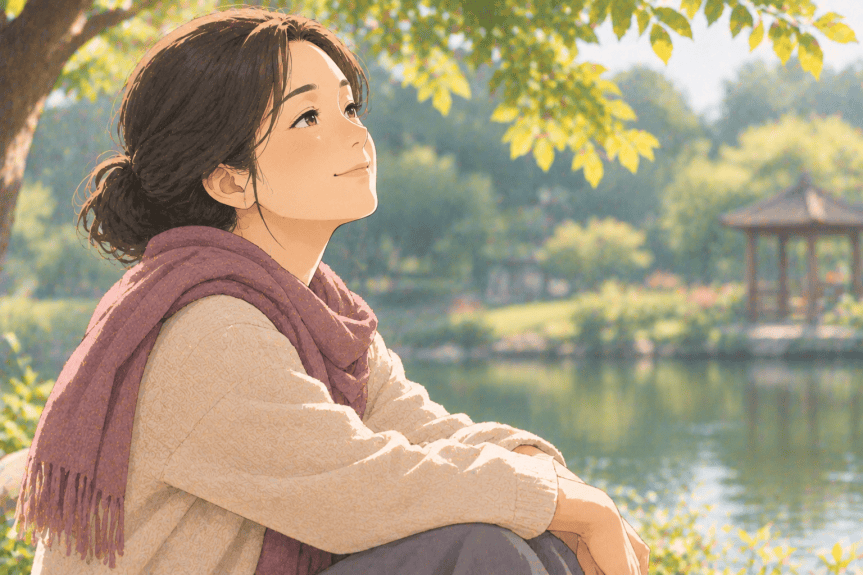
In the evenings, I would take a couple of walks around the park, then sit quietly on a bench, thinking about nothing in particular. When a gentle breeze passed by, I felt a sense of relief.
During those two years, half my hair turned gray. Once, while getting a haircut, the barber asked whether I wanted to dye it. I waved my hand and declined. Somehow, I had come to see those gray strands as marks left by the passage of time.
Occasionally, I still remembered the good days of the past. But after the memories passed through my mind, I simply let them go.
The true turning points in life often come just when we feel we can no longer carry on.
It was during the most confusing and helpless period of my life that I was fortunate enough to encounter the true Buddha Dharma of Namo H.H. Dorje Chang Buddha III.
At first, I approached it simply with the hope of finding some relief from my suffering. I never expected that the more I studied, the more I would come to understand: much of our suffering arises not only from external hardships, but also from the attachments and fixations within our own minds.
Through studying the true Buddha Dharma, I gradually developed right views.
In the past, I constantly felt wronged and resentful. Whenever something went wrong, I would ask, “Why me?”
Over time, however, I came to understand that many of life’s circumstances are inseparable from causes, conditions, and the law of cause and effect.
This did not mean that I should punish myself for past mistakes, nor that I should continue drowning in resentment and self-blame. Rather, I needed to learn to examine the thoughts and intentions arising in my mind, correct my behavior, release my attachments, and remain grounded in the present moment.
The true Buddha Dharma taught me not to panic when facing difficulties.
My debts had not disappeared, and life still had to go on. Yet my heart was no longer so overwhelmed that I could barely breathe.
I began to understand that true liberation does not mean escaping reality, but finding inner peace while living within it. Truly letting go does not mean forgetting the past, but no longer allowing the past to imprison us.
Today, when I encounter unfair treatment, I still become angry, but once the anger passes, I let it go. When difficulties arise, I still feel anxious, but after calming down, I focus on finding solutions.
When negative emotions appear, I allow myself to experience them without letting them take control. I no longer become trapped in them.
I listen to Buddhist music, study and contemplate the true Buddha Dharma, and gradually allow my body and mind to relax.
The most important lesson in overcoming the challenges of our own mindset is this: Know when to take things up and when to let them go.
I have never glorified suffering. Yet none of the hardships I have endured, the difficulties I have overcome, or the darkest moments I have struggled through during this half of my life have been in vain.
They are not merely scars. They have become the stepping stones toward a life of greater peace and composure.
True inner strength does not mean never falling. It means being willing to stand up and move forward after every fall.
And my greatest blessing was that, at the most desperate point in my life, I encountered the true Buddha Dharma of Namo H.H. Dorje Chang Buddha III.
Guided by right views, I finally learned to release myself from the burdens of the past.
And at long last, I truly made peace with myself.
Written by: Zhi Ning
Edited by: Yue Se
Link: https://myhappylifestyle.net/2026/11/12/dorjechangbuddhaiii-finding-peace-through-the-buddha-dharma/
#DorjeChangBuddhaIII #Spirituality #Buddha #Buddhism

