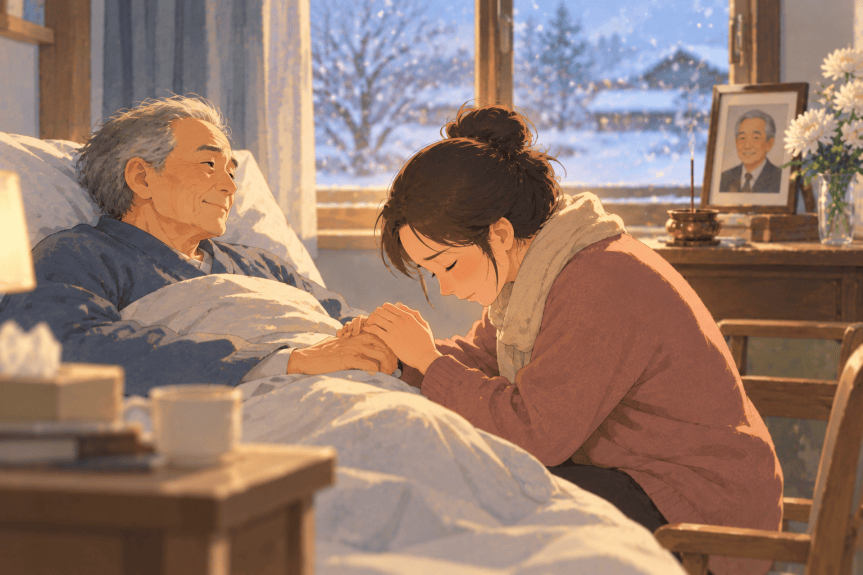
COVID-19 Became the Final Blow That Took My Father Away

COVID-19 struck with devastating force and became the final blow to my father, who was
already suffering from lung cancer. That winter felt especially bleak and desolate. Snow
was falling, yet even the snowflakes did not feel as cold as my heart.

My father was the person I respected most in my life. He was the “backbone” of our family.
Born in a rural village in northeastern China, my father was not only the pride of my
grandparents but also the pride of the entire village. In those difficult times, for a boy from a
poor rural family to be admitted to a prestigious university was almost like becoming the
top scholar in the ancient imperial examinations—a promising young man had risen from
humble beginnings.

Yet my father had a very difficult childhood. He lost his mother at a young age when my
grandmother passed away. My grandfather had to be both father and mother, raising all six
children on his own.

Through perseverance and hard work, my father was able to leave the countryside behind.
He graduated from university with outstanding grades and was assigned to work in Tianjin.
In a city where he had no relatives or connections, he gradually established himself.
Through years of tireless effort, he achieved extraordinary results in an ordinary position
and eventually built a successful career.

Time passes so quickly, often catching us completely unprepared.

One day in July 2022, I noticed that my father, who had always been in good health, was
making a wheezing sound when he breathed. After medical examinations, he was
diagnosed with lung cancer.

We were utterly shocked.

We sought medical advice and treatment from various doctors and hospitals. In the end,
however, we had no choice but to opt for conservative treatment because the location of
his tumor made surgery unsuitable.

Tormented by the illness, my elderly father grew thinner by the day. Whenever I saw him
coughing so severely that he could barely catch his breath, I wished desperately that I
could bear his suffering for him. I would rather have been the one who was ill.

Yet no matter how deeply I loved my father, there was nothing I could do to take his
suffering away.

How small and powerless human beings can be in the face of illness!

Then, as if things were not already difficult enough, my father contracted COVID-19. His
already frail body suffered yet another devastating blow.

On December 25, 2022, while many people were celebrating Christmas, my father left us
forever.

I held my elderly mother in my arms and dared not shed tears, afraid that seeing my grief
would deepen her sorrow.

After comforting my mother, I softly recited the Kṣitigarbha Sutra beside my father, praying
that he would receive the blessings of the Buddhas and Bodhisattvas and be reborn in one
of the three higher realms or in a Pure Land.

According to local customs in Tianjin, the deceased may be transferred to a mourning hall,
where the family holds memorial rites. Traditionally, the body remains there for three days
so that relatives and friends can come and pay their respects.

After receiving the many relatives and friends who came to mourn my father, I remained
alone in the mourning hall.

Standing before my father’s portrait, I could no longer hold back my tears. I simply let them
flow.

One by one, I told my father all the things I had wanted to say to him over the years but
never had the chance to express.

Perhaps it was only my imagination, or perhaps it was because I missed him so deeply, but
I almost felt that he was right there in front of me, listening as I spoke.

Lament — A Regulated Verse

The desolate winter wind chills me to the bone;
Across the mournful sky, wild geese cry in sorrow.
Weary in both spirit and form of this cold mortal world,
The body now belongs beneath the pure white snow.

A loving father’s warmth has faded like a dream;
Could a child’s devotion ever be in doubt?
A lone chrysanthemum stands by the fence, as though on a distant riverbank.
I gaze sorrowfully into the hazy distance as a thin mist drifts in.

This poem could express only a fraction of the grief within my heart.
No matter how reluctant I was to let him go, my father’s body was eventually reduced to a
bag of ashes and placed inside a small urn.

I could not even be certain whether those ashes truly belonged to the physical body that
had once been my father. But in fact, whether they did or did not no longer mattered. The
body was merely a temporary combination of the four great elements. The “soul” of the
father I had known had already gone somewhere beyond my knowledge.

At that moment, I could not help recalling an impartation from Namo H.H. Dorje Chang
Buddha III
in Philosophical Sayings About Worldly Matters:
“A person grows wiser by learning from the setbacks he suffered. True knowledge
comes from one’s own experience. Secondhand experience is worth little.”

On the journey of life, how can we truly understand the truth of something or gain genuine
insight into our own state of being?

The essential point is that understanding cannot come merely from what we hear, nor
merely from what we see. Beyond seeing and hearing, we must learn to draw experience
and lessons from repeated setbacks and failures. Through practical experience,
verification, and sincere reflection upon our failures, we can gradually develop an inward
understanding of things and come to comprehend the truth.

Therefore, we must personally undergo experiences before we can truly understand them.

If we merely rely on hearsay without personally putting things into practice, what we gain is
not an understanding of their true nature. Only the experience gained through what we have
personally undergone, witnessed, and practiced can lead us to genuine understanding and
truth.

“Life is impermanent” was something I used to say often.

One day, I would talk with someone about how quickly time passes; the next day, I would
speak with someone else about how everything can change in an instant.

But in reality, I had never truly developed a deep awareness of impermanence.
It was not until my father passed away that I was finally awakened to it.
My father had truly given me a profound and painful lesson in impermanence.


Written by: Zai Lu Shang
Edited by: Yuese

Link: https://myhappylifestyle.net/2026/10/11/dorjechangbuddhaiii-covid-19-become-the-final-blow-that-took-my-father-away/

#DorjeChangBuddhaIII #Spirituality #Buddha #Buddhism
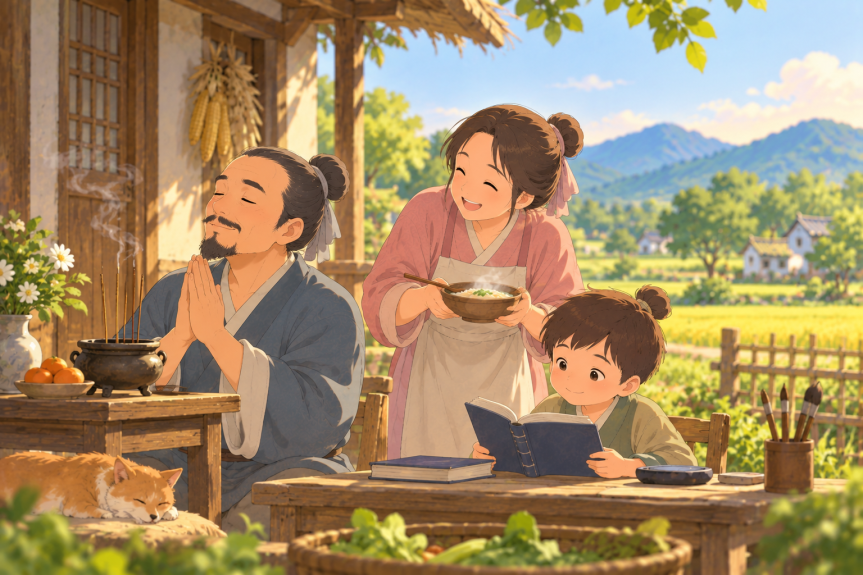
Only by Being Content and Cherishing Our Blessings Can We Find Happiness

During the Ming Dynasty, there was a man named Hu Jiushao. He farmed while teaching his son to read and study, and the family had enough to meet their basic needs. Yet every day, he would burn incense and offer prayers, thanking Heaven for blessing him with another day of peace and contentment.

His wife laughed at him and said, “We eat vegetable porridge for all three meals. How can you call this a blessed life?”

He replied:

“First, we live in a time of peace and do not have to endure the suffering of war.

Second, our family has food to eat and clothes to wear, so we neither go hungry nor suffer from the cold.

Third, everyone in our family is healthy, and none of us has suffered the misfortune of imprisonment. Aren’t these blessings?”

In fact, people often fail to experience a sense of happiness because they have too many desires and do not know how to be content. As Namo H.H. Dorje Chang Buddha III taught:
“A person not appreciative of the good life he is living is one who has forgotten his past miseries. A person in good health is not aware of its blessings until he loses it.”


This means that some people are blessed without realizing how fortunate they are. Even though things are going well for them in many respects, they still feel that this is unsatisfactory and that is not as they wish. They are full of complaints and feel unhappy with their circumstances. This is mainly because, while living in happiness, they have forgotten the hardships of adversity.


When enjoying happiness, they forget the difficulties they once experienced. It is just like people who are strong and healthy often failing to appreciate how painful it is to become ill. They may neglect their health and fail to cherish their strong and healthy bodies. Once they fall ill, however, they may find themselves confined to bed, unable to move about and without even the desire to eat. Only then do they realize the joy and blessing of good health.


The story above reminds us that many of life’s blessings can be found in the ordinary things we have grown accustomed to. Peace, having enough food and clothing, and good health may seem ordinary, but once they are lost, we come to realize just how precious they truly are. Therefore, we should learn to be content, cherish our blessings, and appreciate everything we have in the present.

Only by being content and knowing how to cherish what we have can we experience an enduring sense of happiness and joy.


Written by: Yazhu

Edited by: Bodhi Seed

Link: https://myhappylifestyle.net/2026/09/30/dorjechangbuddhaiii-only-by-being-content-and-cherishing-our-blessings-can-we-find-happiness/

#DorjeChangBuddhaIII #Spirituality #Buddha #Buddhism
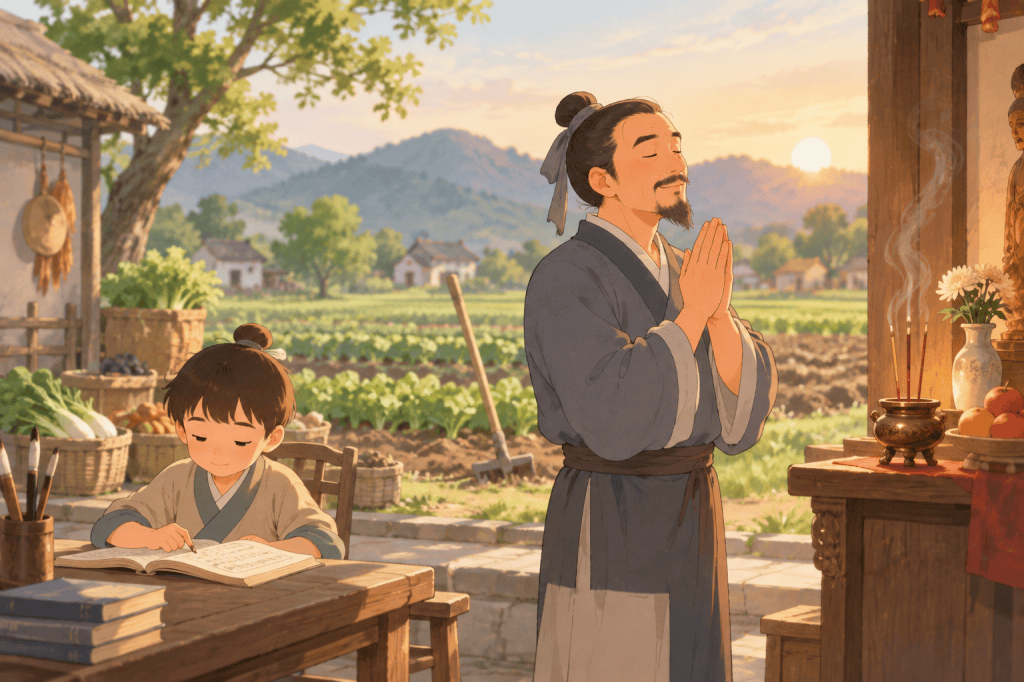
When We Put “Me” at the Center, We Inevitably Find Things Hard to Accept, Hard to Hear, and Hard to Understand

When We Put “Me” at the Center, We Inevitably Find Things Hard to Accept, Hard to Hear, and Hard to Understand

A close friend once complained to me about her child.

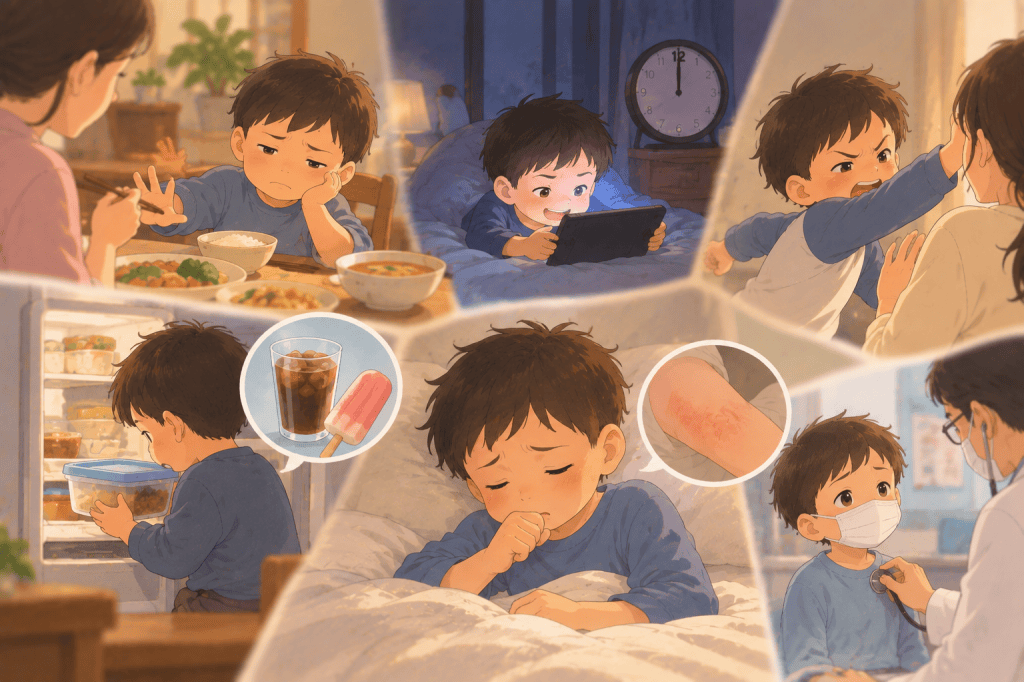
“My child is driving me crazy! He’s only four or five years old, yet he can already turn the whole household upside down!”

I asked, “What happened?”

She said, “He refuses to eat properly. After mealtime is over, he goes looking for cold leftovers. He wants to play until midnight, and if we refuse to play with him, he hits us—and he hits hard. Lately, he has been coughing constantly and has eczema all over his body. He has practically become a regular at the hospital…”

His eating habits were irregular, his sleep schedule was irregular, and he loved eating cold foods. With habits like these affecting his digestive health, how could he not get sick?

I then asked, “Do you often hit him? Is that why he has learned to hit others?”

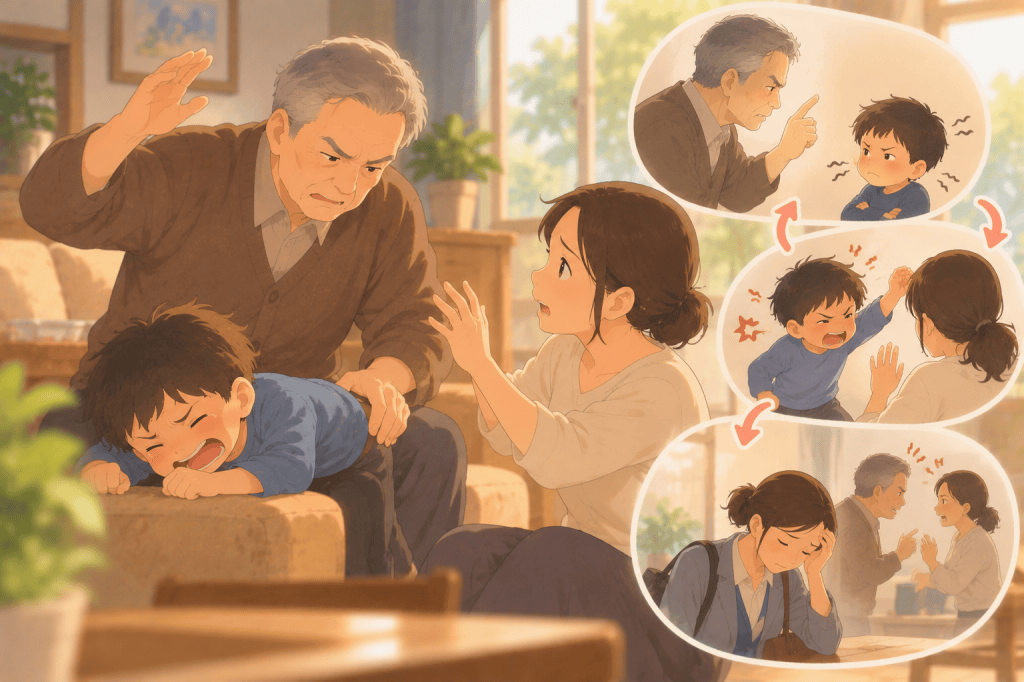
“Ah,” she sighed. “My father believes in strict discipline and corporal punishment. Whenever the child misbehaves, Grandpa gives him a good spanking. I’ve tried talking to my father and asking him not to hit the child so much, but he won’t listen. As a result, the more the child is hit, the more unruly he becomes, and the more unruly he becomes, the more he gets hit. By the time I come home from work, I’m completely exhausted by all of this. Now even my father and I get upset with each other over the smallest things. We find each other’s behavior hard to accept, each other’s words hard to hear, and each other’s thinking impossible to understand…”

I couldn’t help but sympathize with my friend. Her child had not even reached the stage when she would have to help him with schoolwork, yet the household was already in complete chaos.

As the saying goes, “It takes ten years to grow a tree, but a hundred years to nurture a person.” Raising and educating a child is truly no easy task. When family members disagree about how a child should be raised, conflict is almost inevitable.

For many years, educators have advocated encouragement and positive reinforcement rather than corporal punishment. We cannot truly win people over through force; we need to reason with them and reach them through understanding and compassion. Two generations have different life experiences, levels of education, personalities, and understandings of life. Naturally, their approaches to raising a child can be very different. One wants strict and forceful discipline, while the other favors a gentle and patient approach. In the end, neither approach is carried out effectively, and the two sides only grow increasingly frustrated with each other.

But do situations in which people find one another “hard to accept, hard to listen to, and hard to understand” exist only between fathers and daughters? Of course not. Conflicts arise between husbands and wives, relatives and friends, coworkers, classmates, people from the same hometown, and even complete strangers.

Two of my coworkers once had a disagreement over a work assignment.

Coworkers A and B were responsible for producing the company magazine. A handled planning, editing, proofreading, and communication with the printing company, while B was responsible only for layout and typesetting. Because they were rushing to meet the deadline, A reviewed three rounds of proofs, checked the sample copy, and then authorized printing.

The following day, A looked through the sample again and discovered that the month printed on the cover was incorrect. During proofreading, A had already asked B to correct it. However, B had carelessly failed to properly save the final revised file, so the error remained. At the same time, A had also failed to notice the mistake when reviewing the sample copy.

When they contacted the printing company again, they learned that the company magazine was already being printed. Reprinting the cover would require additional expense. And so, a loss that should never have occurred was incurred.

A blamed B: “Why didn’t you properly save the file after making the correction? Why didn’t you take responsibility for your work?”

B, in turn, blamed A: “Why didn’t you carefully check the sample?”

Each found fault with the other. Neither wanted to hear what the other had to say, and neither could understand how the other could have been so careless.

In fact, both of these real-life situations—the disagreement between father and daughter over how to raise the child and the conflict between coworkers caused by a lack of carefulness—stemmed from putting “me” at the center.

The grandfather thought, “If my grandson doesn’t behave, he needs to be disciplined physically. After all, this is how I raised several children.”

The mother thought, “When my son misbehaves, adults should reason with him. We shouldn’t substitute punishment for proper guidance. We should teach him gently and patiently.”

And what about the two coworkers?

One thought, “I already checked everything thoroughly.”

The other thought, “You were the one who failed to check carefully.”

Because they failed to cooperate effectively, mistakes naturally occurred.

Yet the father and daughter actually shared the same goal: to raise the child well.

And the two coworkers also shared the same goal: to produce the magazine well.

The attitude of “I don’t care what you think; what matters is what I think” places the self above everything else.

If people want to live together harmoniously, they need to learn to put themselves in one another’s shoes. If the grandfather listened to his daughter’s suggestion to use gentleness rather than force, and if the daughter communicated more patiently with her elderly father about ways of educating the child, wouldn’t their relationship become more harmonious?

Likewise, if the two coworkers showed greater understanding toward each other’s responsibilities, reminded one another when necessary, and complemented each other’s work, wouldn’t they be able to accomplish the task successfully? What would there be to argue about?

As Namo H.H. Dorje Chang Buddha III said:

“A protracted dispute is wrong on both sides. Why? Entangled in such a dispute, both sides see only the faults of the opposing party and the merits of his own. Continuing dispute will but increase the wrongdoing. When one realizes that the other party is as annoyed as he is, one is apt to withdraw from the dispute.”

By letting go of attachment to the self and our own views, and by learning to be tolerant and understanding of one another, we become able to listen to other people’s opinions and recognize their strengths. In this way, we can gradually move from stubbornly clinging to our own views toward accepting and appreciating others.

Always remember: “I” am not the measure of the world.

If we always put “me” first in everything, we are simply creating trouble for ourselves. Instead, we should think: I am a Buddhist practitioner who still has much to be ashamed of. I still have many shortcomings and faults. I should learn more from the strengths of others and spend less time looking for their faults.

As the saying goes:

“The sea is vast because it embraces hundreds of rivers; a person is great because of the capacity to be tolerant.”

When we broaden our hearts and minds, expand our perspective, and elevate our moral character, our work and our lives can proceed more smoothly. We can gradually move away from selfish attachment to the self and toward benefiting both ourselves and others.

Isn’t letting go of the constant focus on “me” itself part of cultivation?

Written by: He Suoyou

Link: https://myhappylifestyle.net/2026/09/28/dorjechangbuddhaiii-when-we-put-me-at-the-center/

#DorjeChangBuddhaIII #Spirituality #Buddha #Buddhism
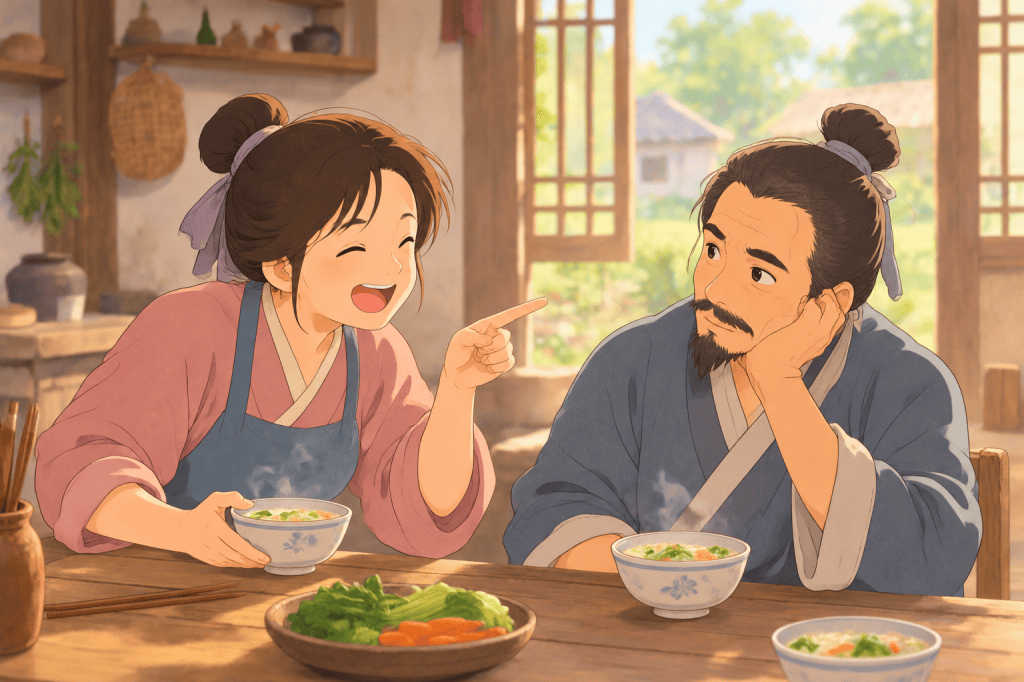
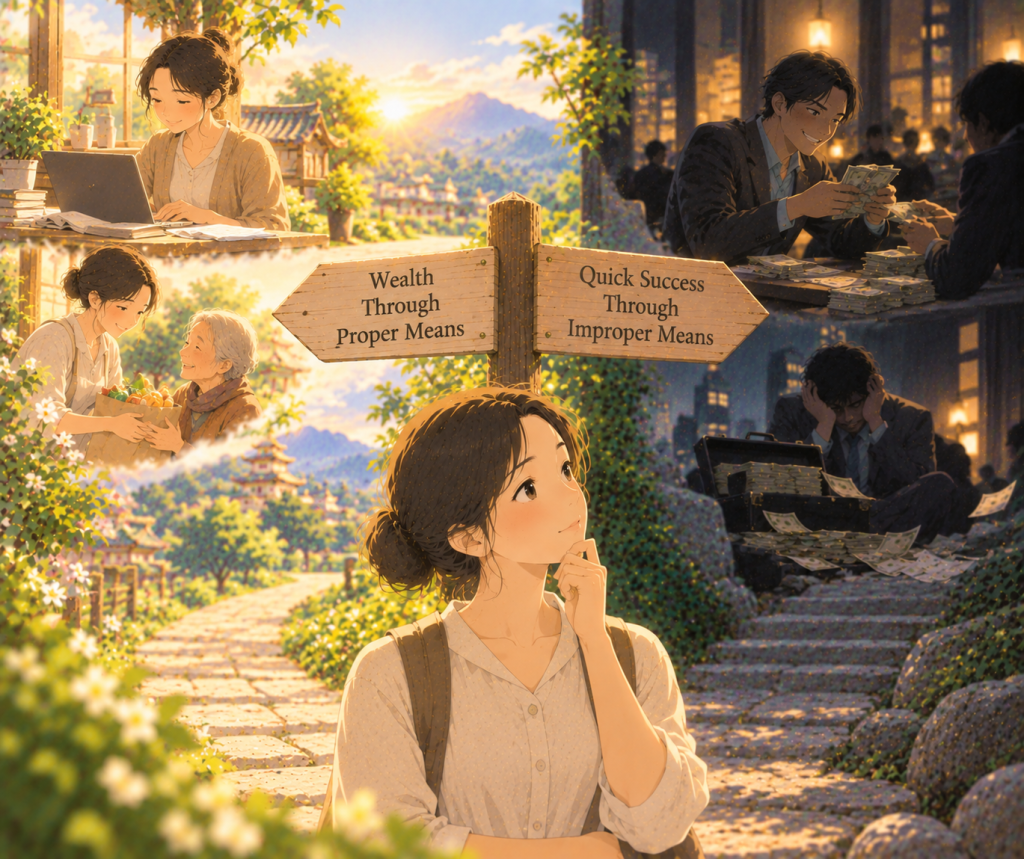
How Can We Acquire Wealth with Peace of Mind?

How Can We Acquire Wealth with Peace of Mind?

In this world, no one can live without the basic necessities of food, clothing, shelter, and transportation. Everyone must work to provide for these needs. As the saying goes:

“The bustling world is driven by profit; the surging crowds are drawn by gain.”

It can be said that no one can live entirely without money, and few people dislike having it. As a result, money and wealth have often become symbols of a person’s social status and are frequently used in modern society as measures of one’s ability and success.

However, as another saying goes, “A person of integrity may value wealth, but acquires it through proper means.” Under the pressure of making a living or the desire to compare themselves with others, many people become eager for quick success. Some stray onto improper paths and even resort to unscrupulous means for profit, completely forgetting the principle that ill-gotten wealth should not be taken; what comes easily through improper means may just as easily be lost.

But what exactly constitutes ill-gotten wealth?

Many people narrowly assume that only money or property obtained through theft, deception, robbery, embezzlement, or similar wrongdoing can be considered ill-gotten. In reality, the scope of ill-gotten wealth extends far beyond these obvious examples.

Take an ordinary employee as a simple example. First and foremost, we should be diligent, dedicated to our work, and conscientious in carrying out our responsibilities. The salary and compensation we receive in return are then rightfully earned.

On the other hand, if a person is lazy, avoids responsibility, exploits loopholes in the system or workplace, does as little work as possible while still collecting a full salary, and constantly tries to get by through cunning shortcuts, then it is difficult to regard all that income as properly earned. Such a person has failed the organization as well as the supervisors and coworkers who placed their trust in them. Sooner or later, those debts will have to be repaid.

There is an old saying: “Whom has Heaven ever spared?”

Putting that aside, people who habitually behave this way are unlikely to make substantial progress wherever they go. Without planting the cause of diligence and self-improvement, how can one expect to reap the fruit of advancement? We often find that when organizations reduce their workforce, those who habitually shirk responsibilities, take shortcuts, and rely on petty cleverness are particularly vulnerable. In the end, their cleverness may work against them.

Namo H.H. Dorje Chang Buddha III teaches us in Philosophical Sayings for Worldly Matters:

“Richness comes from diligence. A rich person is one who is diligent and who chooses a fit career with proper goals.”

In other words, if we wish to attain prosperity, we must first be diligent. Diligence alone does not necessarily guarantee wealth, but without diligence, prosperity is difficult to achieve. Therefore, we must work diligently and apply ourselves through proper and constructive effort.

Second, diligence must be accompanied by ability and talent. Simply working hard without developing the necessary knowledge and capabilities may not be enough to build a successful undertaking. With knowledge, ability, and wisdom, we learn how to distinguish what should be pursued from what should be avoided. We become better able to assess circumstances and make sound choices—choosing endeavors with wholesome and promising prospects rather than improper, harmful, narrow, or unsustainable paths.

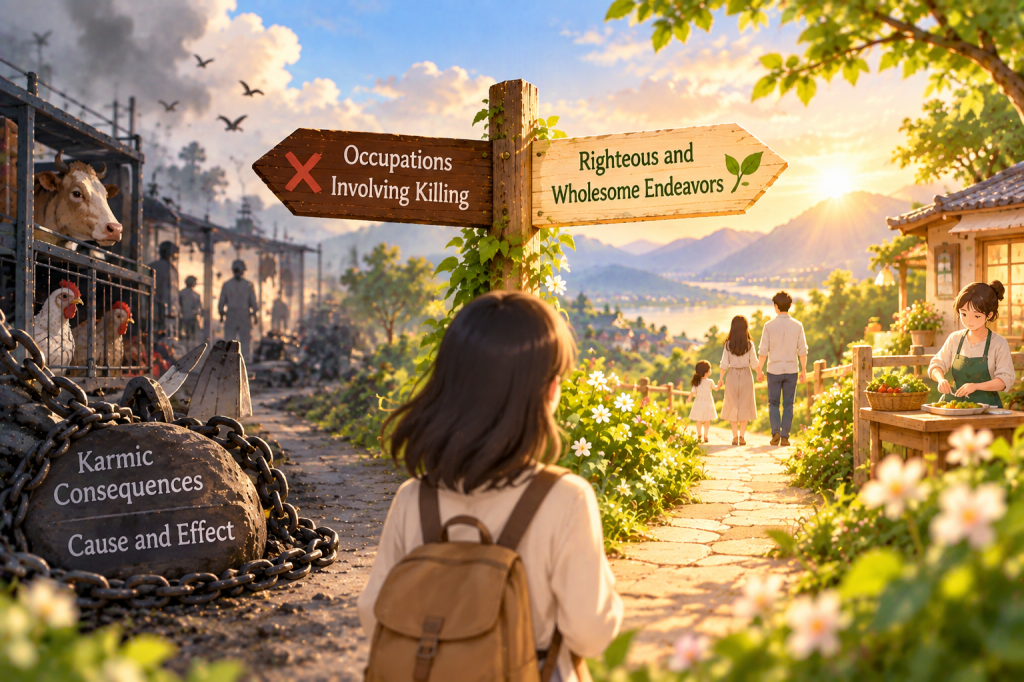
Third, and most importantly, the nature of one’s undertaking must be proper. The occupation or business we choose should follow a righteous path, and our intentions and conduct must also be upright. We should never harm the interests or well-being of others merely for our own benefit.

When it comes to what constitutes a proper occupation, however, many people have misconceptions. Some assume that anything permitted by law must therefore be proper. That is not necessarily so from the Buddhist perspective.

Take, for example, businesses involving the sale of live animals for food and the slaughtering of animals. Although such businesses may be permitted under national law, from the Buddhist perspective they cannot truly be regarded as proper livelihoods because they involve extensive killing. Such actions are believed to affect the karmic consequences one experiences in this life and in future lives.

This is not regarded in Buddhism merely as superstition, but as a matter of cause and effect. The Buddha taught that all living beings are equal. Pigs, dogs, cattle, sheep, fish, shrimp, birds, and other animals are all living beings. They too can experience pain and fear; they struggle, cry out, and try to escape suffering.

If our accumulation of wealth is built upon the suffering and cries of countless living beings, how can we assume that we ourselves will remain entirely untouched by the consequences? In ordinary language, one might ask, “Where would justice under Heaven be?” From the perspective of Buddhist teachings, the question is one of cause and effect.

If we observe carefully, we may see people who accumulated wealth through businesses involving the killing of living beings but later lost much of that wealth through illness, accidents, or other misfortunes.

I once knew the owner of a pharmacy whose business had initially been doing quite well. Several years later, however, the pharmacy was shut down following an investigation, leaving the owner owing substantial sums of money to various sales representatives. Whatever could be removed from the store was taken away.

Not long afterward, the owner passed away before reaching the age of sixty. His wife spent several years moving from place to place before eventually finding work as a caregiver, which barely provided her with enough to live on. Even then, she was afraid to let others know where she was. Their son was also imprisoned for several years because of debts involving high-interest loans and other problems.

I wondered how a family that had once operated a seemingly successful pharmacy could have fallen into such circumstances. Later, I heard that the elderly couple had worked as pig slaughterers in their earlier years. After saving several hundred thousand yuan, they left that business and opened the pharmacy. Their son, however, lived extravagantly, quickly squandered the family’s savings, and accumulated high-interest debt. In the end, a once-established family fell apart.

I also knew of someone who had worked in the fishing industry for more than twenty years. His daughter developed an unusual illness that severely affected her mental functioning. The family spent a great deal of money seeking treatment, but her condition did not improve. Later, the man himself became seriously ill, and the family eventually exhausted all of its savings.

If we pay attention, we may encounter many stories of this kind.

Many people wonder why so many unfortunate things happen in life. From the Buddhist perspective presented here, apart from the effects of harmful causes created in previous lives ripening in this life, some suffering may also be related to unwholesome karma created through our present actions.

The Mangala Sutta (Discourse on Blessings) teaches:

“To engage in occupations that cause no harm—this is the greatest blessing.”

Therefore, for the well-being and peace of ourselves and our families, we should stay away from occupations involving killing. From this Buddhist perspective, wealth accumulated through the taking of life is among the most troubling forms of improperly acquired wealth. The more such wealth is accumulated, the heavier the corresponding karmic consequences may become, for causes bring corresponding effects, and no one can ultimately escape the workings of cause and effect.

Therefore, if we wish to prosper, we should apply our diligence, abilities, and talents to righteous and wholesome endeavors. Wealth acquired in this manner can truly be used for our benefit without becoming a source of calamity.

As the saying goes, “Great virtue carries great responsibility and abundance.”

Virtue refers to morality, character, self-cultivation, and integrity. Material possessions include money, wealth, influence, and the conditions of our lives. Position refers to status, authority, office, and power.

We should therefore guard our minds and uphold virtue. We must never allow greed to drive us into reckless conduct. If one possesses little virtue yet seeks an exalted position, has limited wisdom yet attempts enormous undertakings, has little strength yet tries to bear an overwhelming burden, or possesses insufficient ability yet seeks great responsibilities—how could such imbalance not eventually bring trouble?

True prosperity, therefore, is not simply about how much wealth we accumulate. What matters equally is how that wealth is obtained, what causes we create in obtaining it, and whether we can enjoy it with a clear and peaceful conscience.

Written by: Danbo
Edited by: Dongji

Link: https://myhappylifestyle.net/2026/09/24/dorjechangbuddhaiii-how-can-we-acquire-wealth-with-peace-of-mind/

#DorjeChangBuddhaIII #Spirituality #Buddha #Buddhism
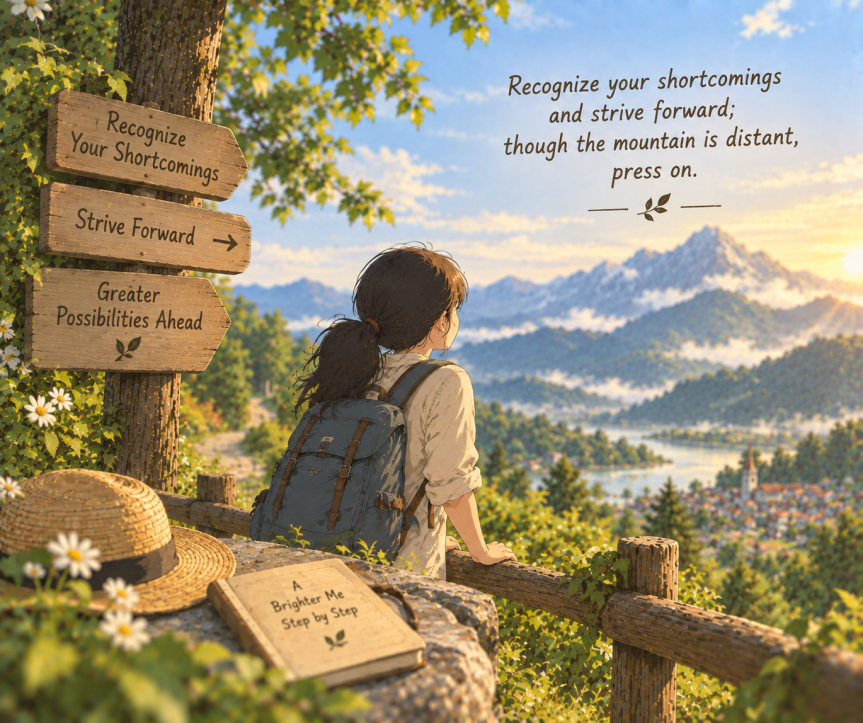
Recognize Your Shortcomings and Strive Forward; Though the Mountain Is Distant, Press On

Recognize Your Shortcomings and Strive Forward; Though the Mountain Is Distant, Press On

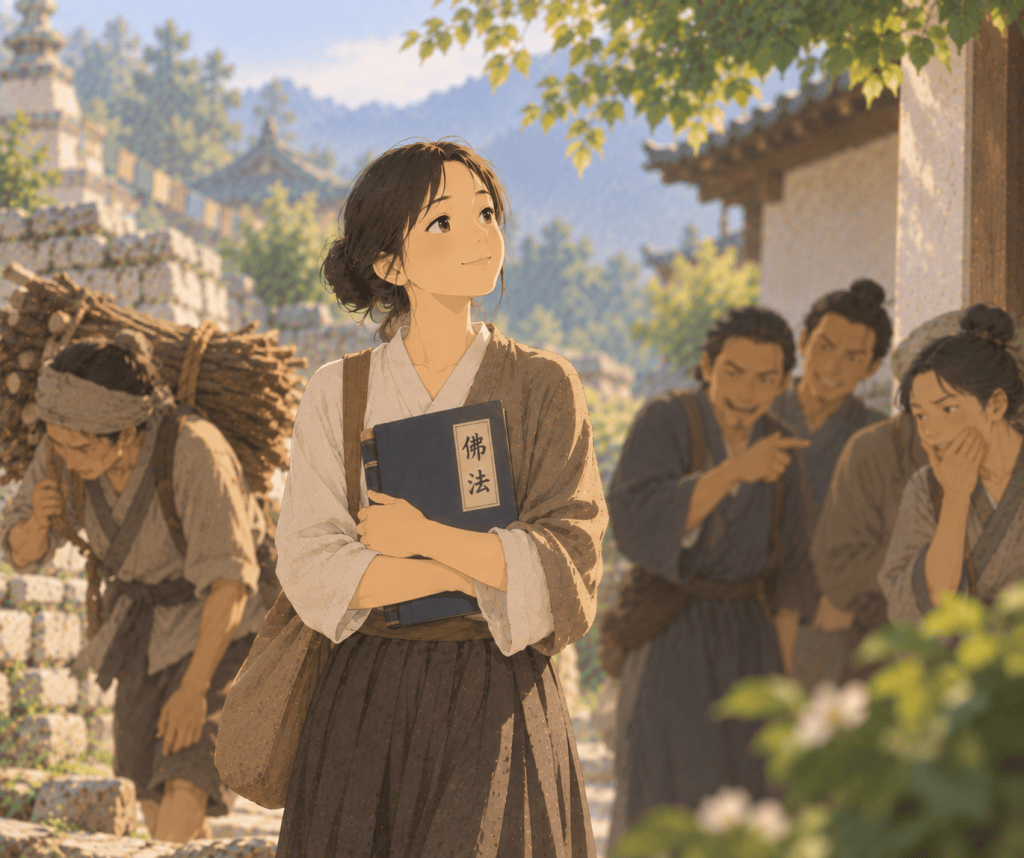
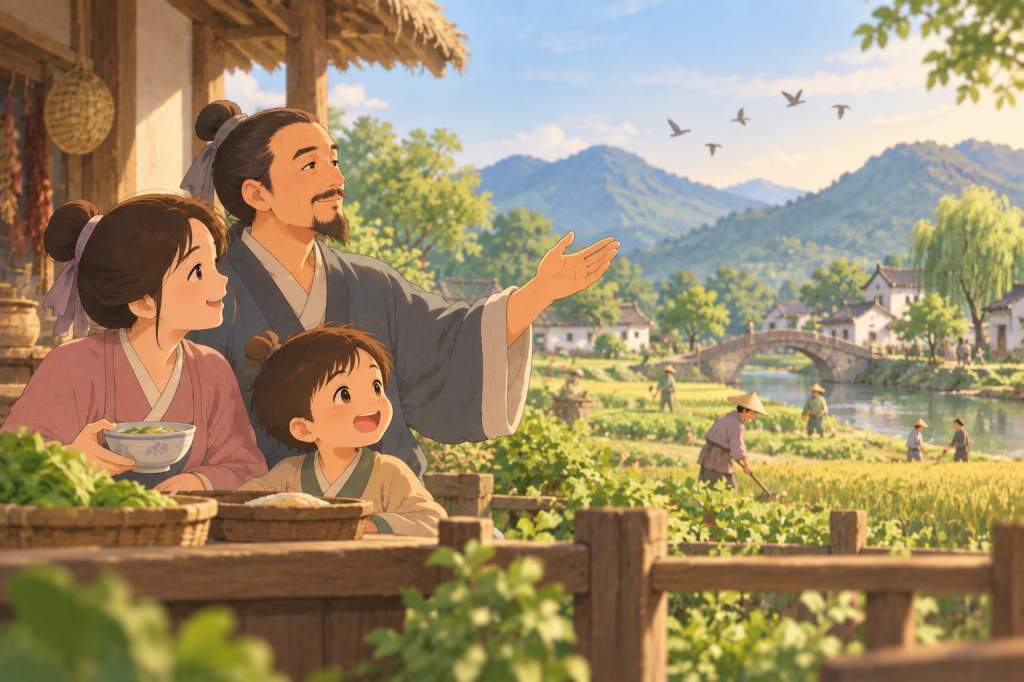
A few days ago, I came across a saying: “Recognize your shortcomings and strive forward; though the mountain is distant, press on.” I found it deeply thought-provoking.

Taken literally, it means that when we recognize our shortcomings, we should strive to improve ourselves; when we see that the mountain ahead is distant and the path rugged, we should gather our strength and continue moving forward.

This saying also reminds us to look far ahead and establish lofty aspirations and goals. No matter how difficult the road before us may be, we should continue striving toward them.

As Namo H.H. Dorje Chang Buddha III taught in Philosophical Sayings on Worldly Matters:

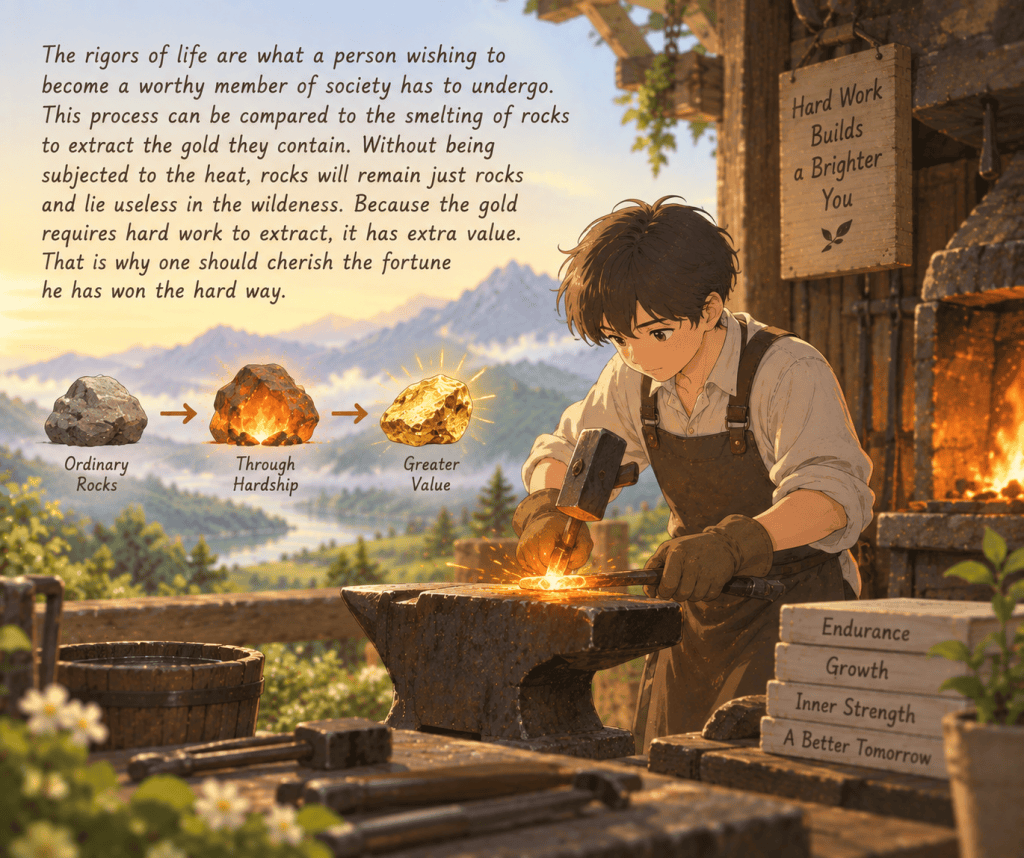
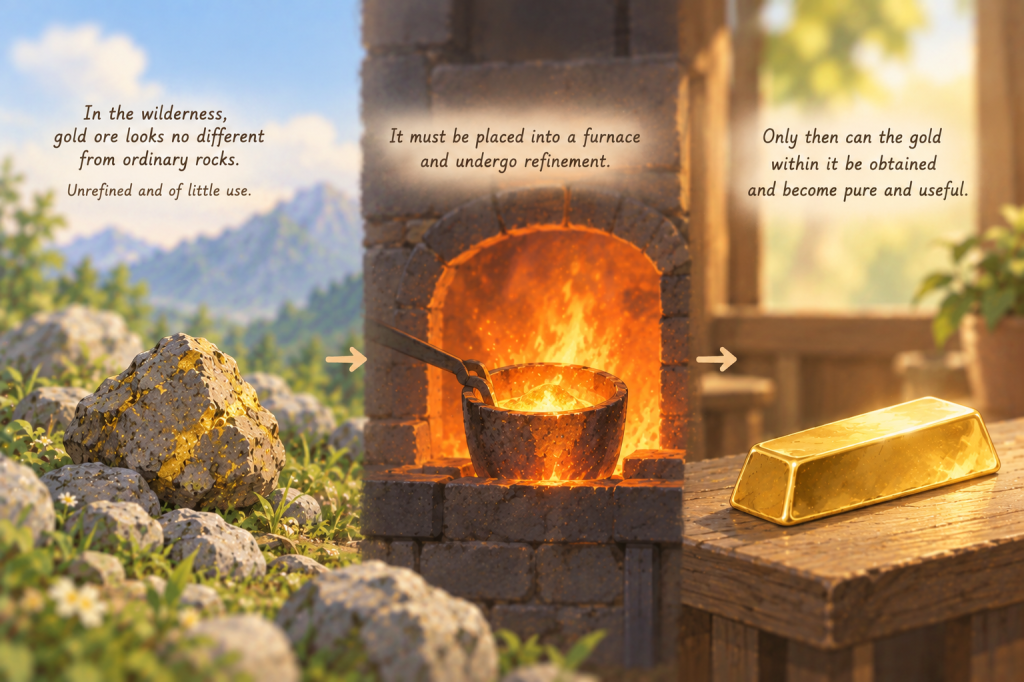
The rigors of life are what a person wishing to become a worthy member of society has to undergo. This process can be compared to the smelting of rocks to extract the gold they contain. Without being subjected to the heat, rocks will remain just rocks and lie useless in the wilderness. Because the gold requires hard work to extract, it has extra value. That is why one should cherish the fortune he has won the hard way.

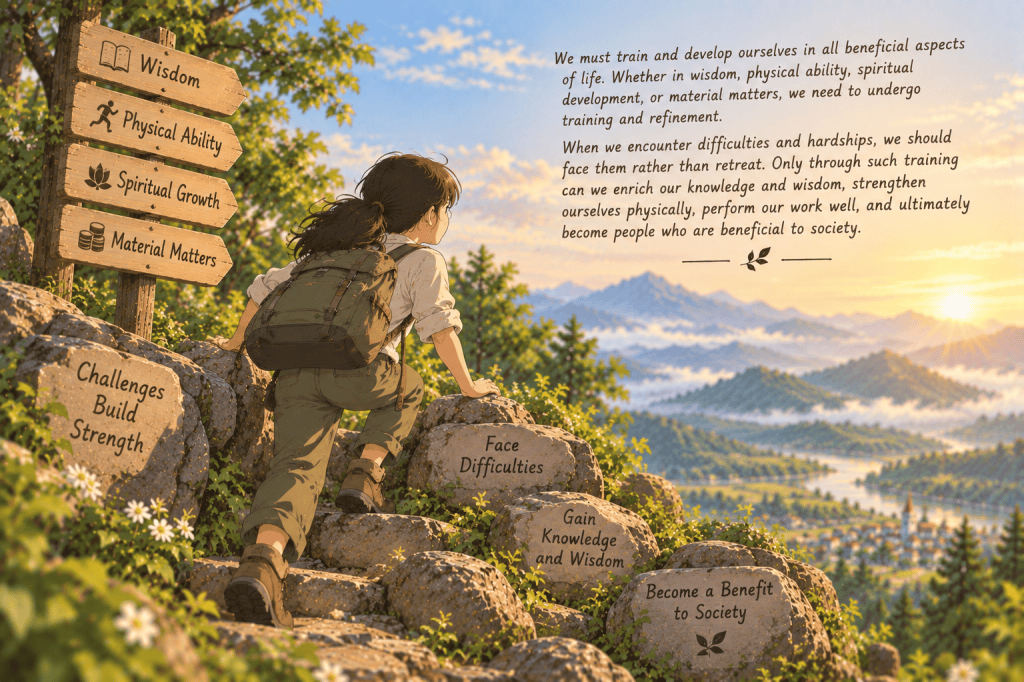
The meaning is that we must train and develop ourselves in all beneficial aspects of life. Whether in wisdom, physical ability, spiritual development, or material matters, we need to undergo training and refinement.

During this process, when we encounter difficulties and hardships, we should face them rather than retreat. Only through such training can we enrich our knowledge and wisdom, strengthen ourselves physically, perform our work well, and ultimately become people who are beneficial to society.

It is just like gold ore, which must be refined in a furnace before it can become pure gold. If a piece of gold ore is never placed into the furnace, the gold within it cannot be obtained. If it is simply left in the wilderness, among mountain valleys, cliffs, rocks, and wild vegetation, it appears no different from the ordinary stones around it—unclean, unrefined, and of little use. Put simply, without refinement, it remains nothing more than an ordinary piece of rock.

Likewise, as human beings, we must use various beneficial ways to train and refine ourselves, developing our knowledge and abilities, building successful undertakings, and cherishing the happiness that results from our efforts.

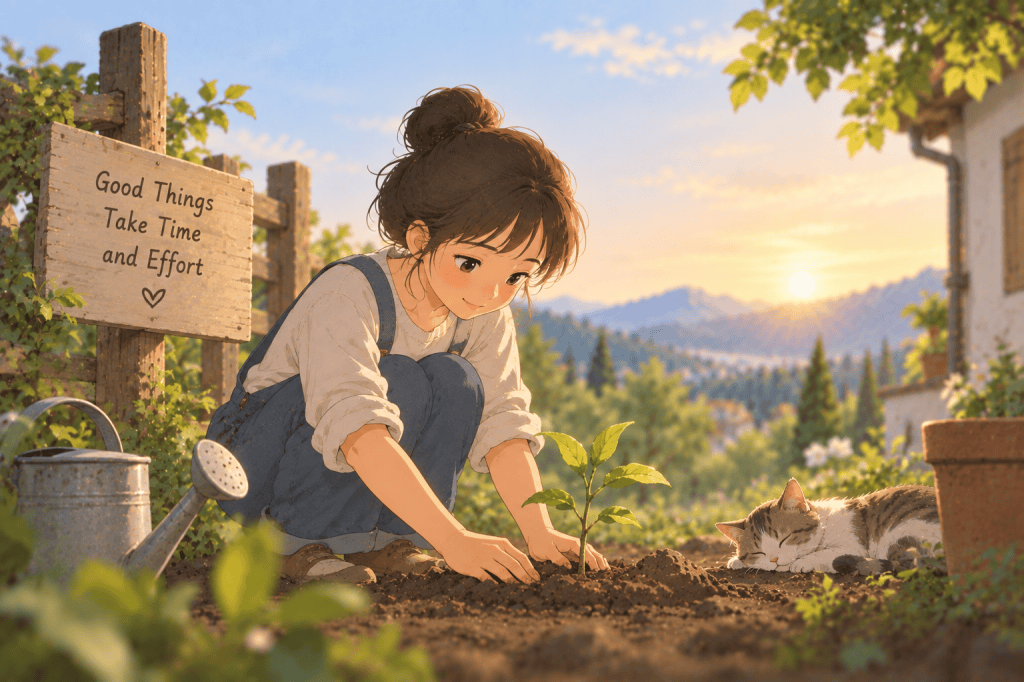
If blessings and happiness could be obtained effortlessly, there would be no need for us to train ourselves or strive for anything. It is precisely because happiness and blessings are often attained through trials and refinement that we should especially cherish what has not come easily. By knowing how to cherish our blessings, we can continue to enjoy the benefits they bring.

From this teaching, we can clearly see that there is no such thing as instant success. Genuine growth and achievement are inseparable from continuous effort and refinement. When confronted with difficulties and hardships, only by facing them courageously and refusing to fear setbacks can we improve ourselves through repeated trials and ultimately achieve genuine transformation.

The Same Is Even More True in Learning Buddhism and Cultivation

What is true of worldly accomplishments is even more true of learning Buddhism and cultivating ourselves.

In the process of transforming from an ordinary being into a holy being, we will inevitably encounter various obstacles, hardships, and trials. If we become afraid of these difficulties and refuse to move forward, we will forever remain ordinary beings. We will not be able to transform from ordinary beings into holy beings, nor will there be hope of transcending the suffering of samsara.

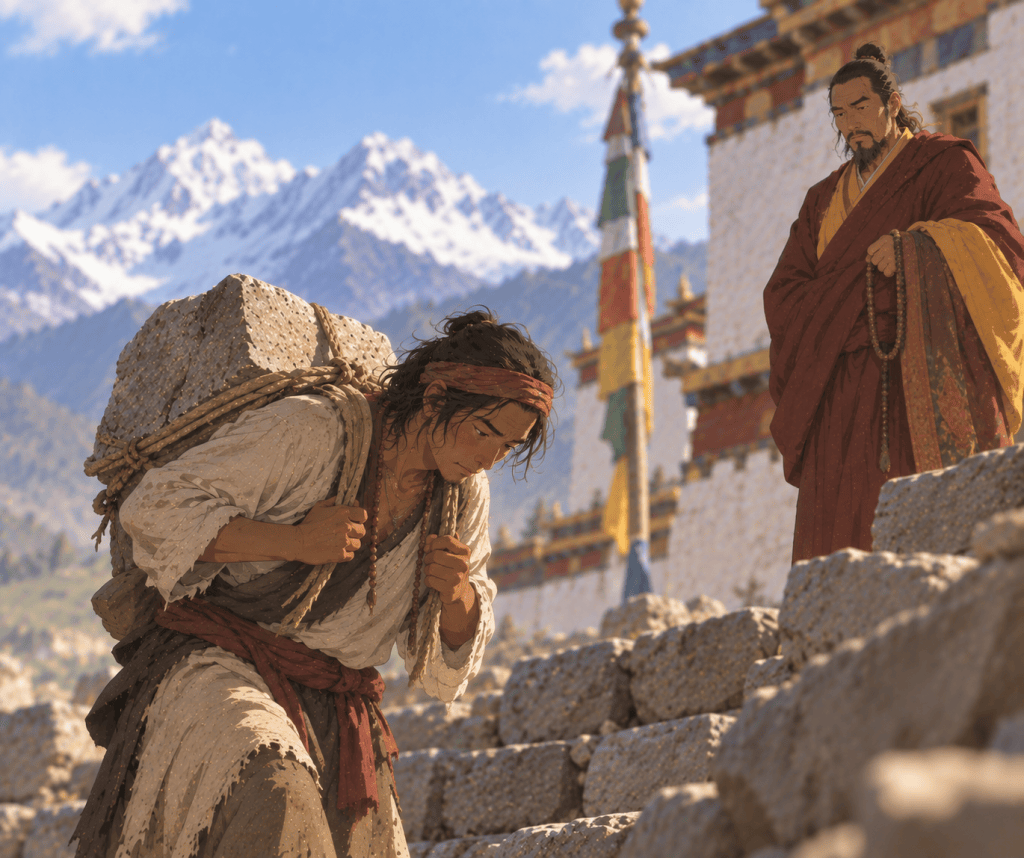
When Patriarch Milarepa sought to learn the Buddha Dharma from Master Marpa, he endured extraordinary hardships that ordinary people could scarcely bear, yet he did so without complaint. Without his determination to seek the Dharma and his perseverance in the face of such severe trials, there could not have been the Milarepa who later became such an accomplished practitioner.

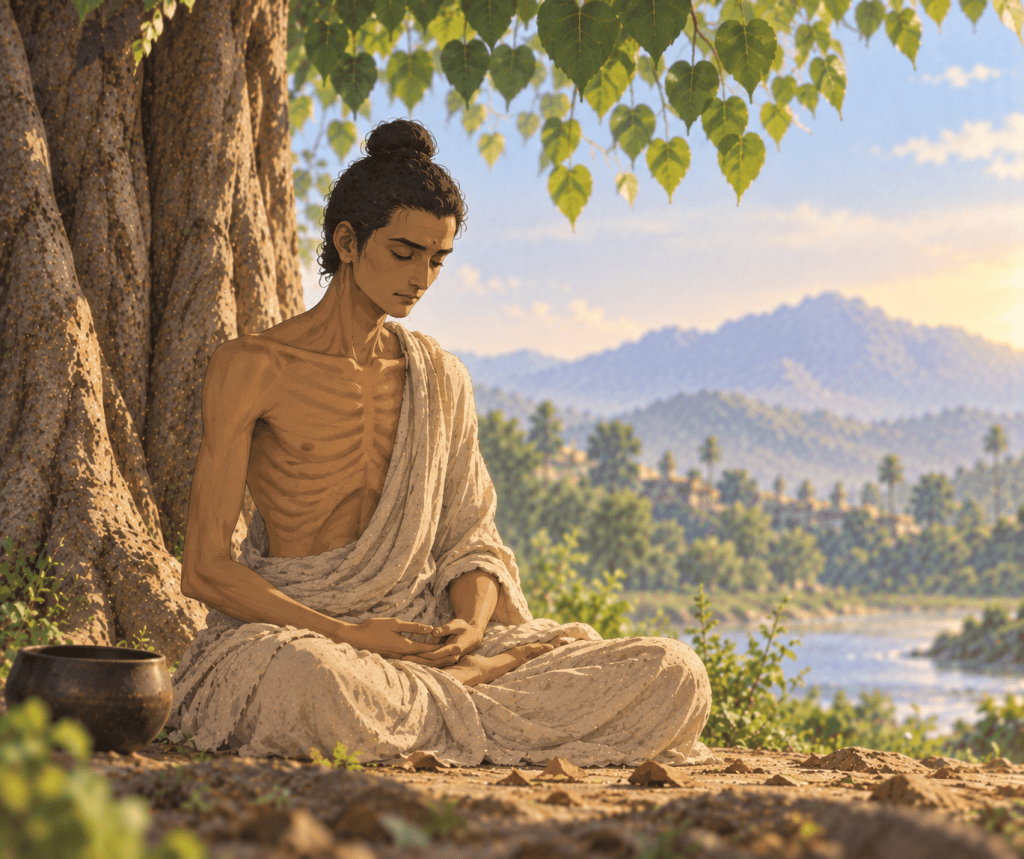
Likewise, before attaining Buddhahood, Namo Shakyamuni Buddha underwent six years of ascetic practice in pursuit of the ultimate truth. Had the World-Honored One not resolved to seek the path in order to liberate living beings from the suffering of birth, aging, sickness, and death, who knows when Buddhism would have arisen in the Saha world?

Therefore, if we who learn Buddhism wish to attain accomplishment and liberation, we must persevere through the trials and hardships we encounter.

No matter how difficult life becomes, we should remain content even in poverty and never covet wealth obtained through unrighteous means. When confronted with ridicule or abusive words, we should remain composed rather than responding with insults or harsh speech. No matter how exhausting our work may be, we should not become lax and should always regard learning Buddhism as our primary undertaking. When we encounter attacks, slander, or isolation, we should remain calm rather than respond with anger, hatred, or retaliation.

In short, we can no longer simply act according to our impulses as we may have done before learning Buddhism. We must discipline ourselves in all circumstances, guard our minds, uphold what is right, and stay away from wrongdoing.

No matter how difficult the adversity we encounter, we must persevere. If we continue persevering, perhaps at the next turning point, good fortune and blessings may arrive when we least expect them.

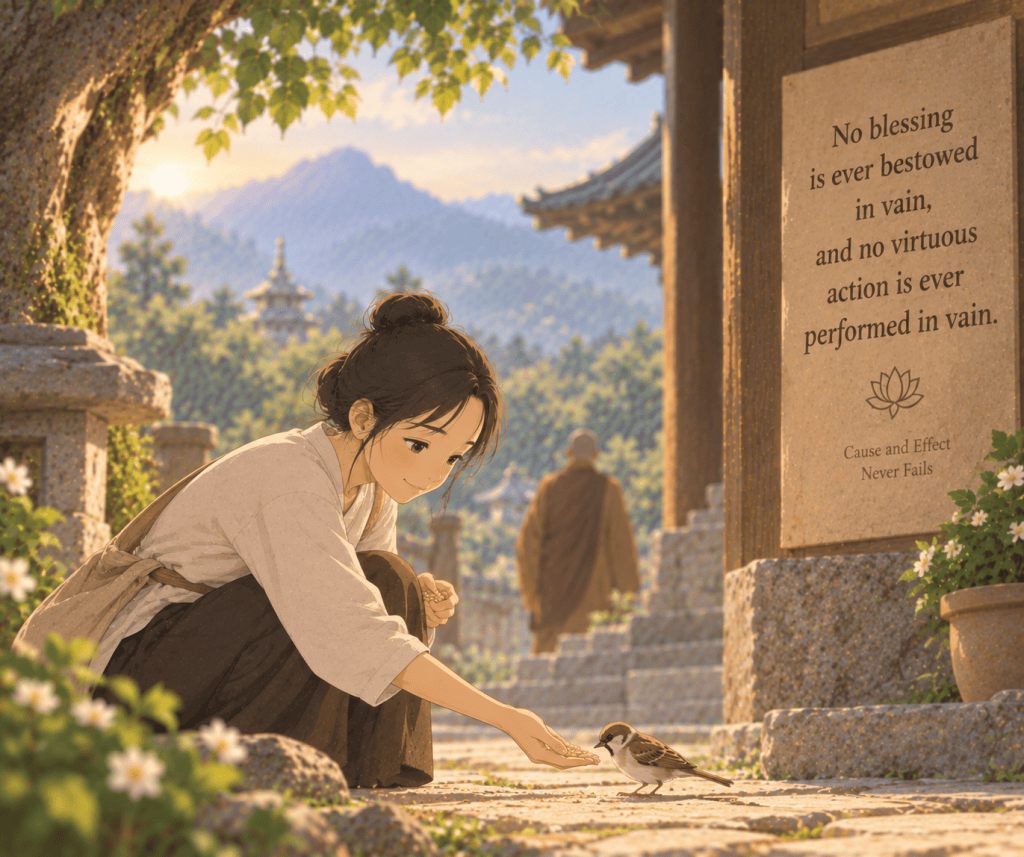
There is a saying: “No blessing is ever bestowed in vain, and no virtuous action is ever performed in vain.” This is precisely related to the law of cause and effect.

Of course, cultivation progresses through one stage after another. Each stage brings its own trials, and each stage may also bring its own unexpected joys. When joyful circumstances arise, we should not become carried away; when obstacles appear, we should not complain.

If we can always maintain a peaceful yet steadfast mind and refuse to retreat in the face of difficulties, then profound transformation—turning from an ordinary being toward holiness—can ultimately be realized.

May these words serve as mutual encouragement for all those who are striving to better themselves and move forward.

Written by: Fuyao Zhishang
Editor: Dongji

Link: https://myhappylifestyle.net/2026/09/22/dorjechangbuddhaiii-recognize-your-shortcomings-strive-forward/

#DorjeChangBuddhaIII #Spirituality #Buddha #Buddhism
Do Not Laugh at the Dreams of Youth

Do Not Laugh at the Dreams of Youth

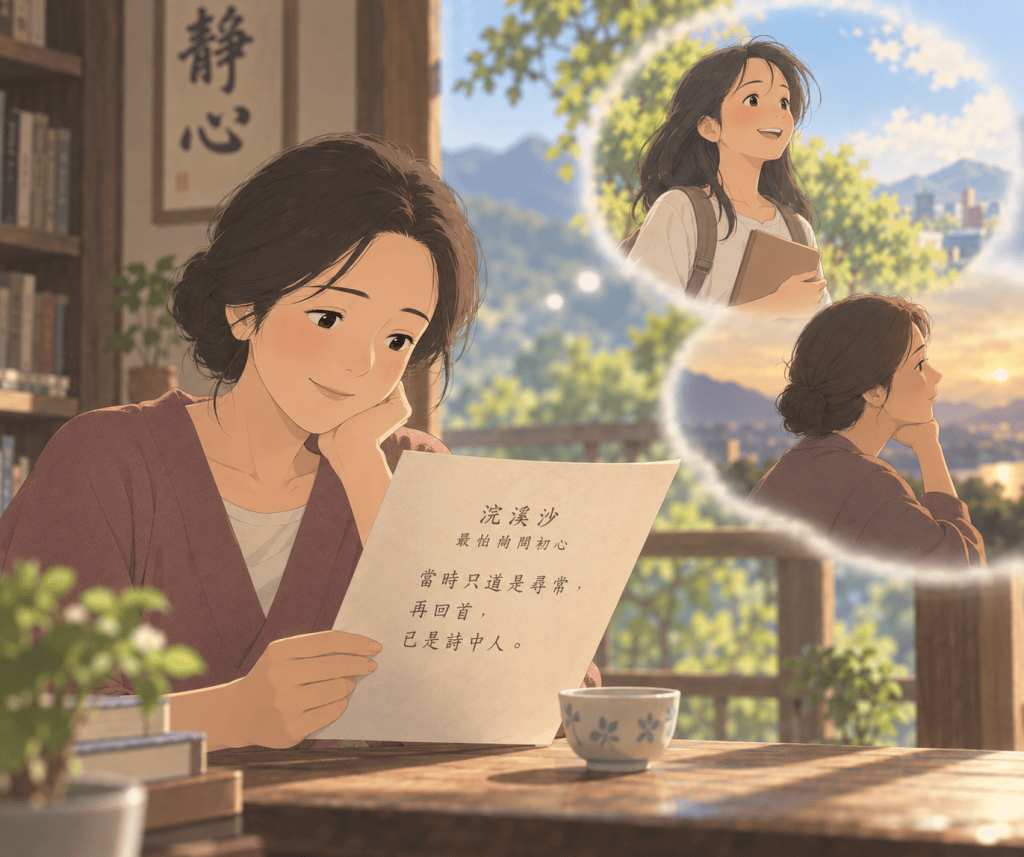
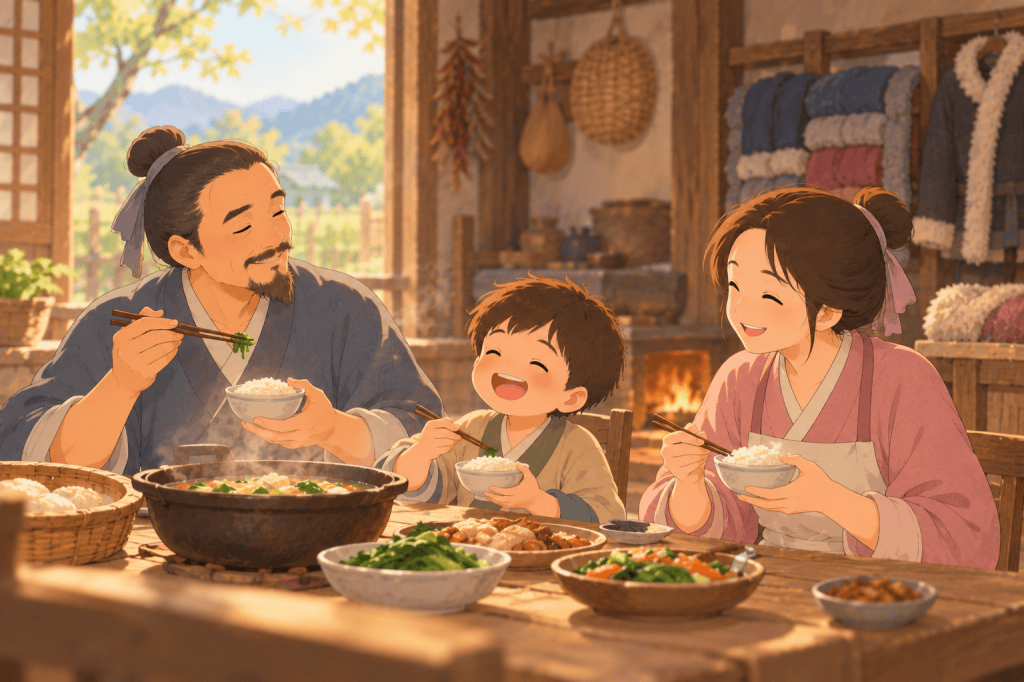
Recently, I happened to come across the poem Huan Xi Sha: What I Fear Most Is Being Asked About My Original Aspirations. Reading it in middle age filled me with countless emotions, and its meaning lingered deeply in my mind. It gave me the feeling that, “When I first heard these words, I did not understand their meaning; when I heard them again, I had already become the person described in them.”

How could these few short lines not be a reflection of the life I am experiencing today?

What I fear most is being asked about my original aspirations,
Only to realize that my dreams have faded into emptiness.

In youth, I aspired to journey three thousand miles,
Yet after hesitating for a hundred steps, I had accomplished nothing.

In the blink of an eye, my parents’ hair has turned white,
While my children, still taking unsteady steps, have begun their schooling.

The need to earn a few pieces of silver hastens the passing of the years.
My heart remains young,
Yet wrinkles have quietly appeared upon my brow.

In this fleeting life, I drink and drift back into dreams.
Youth has passed, though I still feel like the person I once was.
I can only sigh at how swiftly time has flown.

Do Not Laugh at the Dreams of Youth

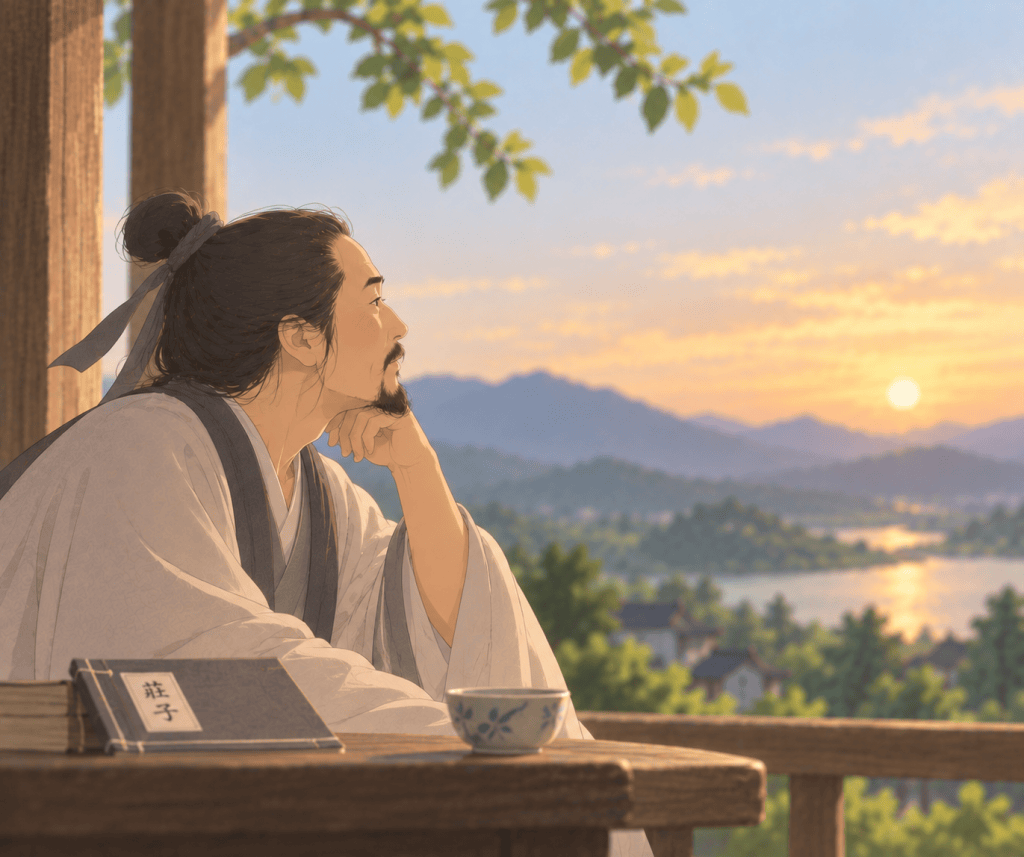
Zhuangzi said:

“A person’s life between heaven and earth is like a white colt glimpsed through a crack—it passes in an instant.”

Do Not Laugh at the Dreams of Youth

Looking back upon the road we have traveled, we realize that throughout our lives, we have grown, encountered countless people and experiences, and then bid them farewell one after another. Between flowers blooming and falling, countless beautiful moments have already become memories. Amid gains and losses, sorrow and joy, so much of the past has vanished like drifting clouds and smoke.

Do Not Laugh at the Dreams of Youth

As the saying goes:

The green mountains never grow old, yet I never find rest;
All my life, I toil simply to make a living.

After decades of wind and rain,
In the blink of an eye, we may already be buried beneath the earth.

I laugh because the green mountains never change,
The mountains laugh because I have already grown old.
Like an ox that toils into old age, never knowing a day of rest;
By the time rest finally comes, one has already been laid to rest in the mountains.

How many people have lived exactly this way, passing hurriedly through an entire lifetime burdened with regrets and helplessness?

Time always seems to slip away without our noticing, and often we realize its passing only afterward. There are things whose preciousness we understand only after we have completely lost them. Then we cannot stop thinking about them and regret that we did not cherish them when we had the chance.

But the years pass swiftly. How could time ever allow us to remain lost in a dream while our lives quietly grow shorter? Impermanence is the true nature of worldly existence. The past is like tea—only after tasting it do we come to understand how important it is to cherish the present.

Everything in this world that we have decided to do should be acted upon with determination. We should not postpone it until after we have rested for a while, until tomorrow, or until some future opportunity.

Nor should we allow a small setback to make us procrastinate day after day, sighing in discouragement, overwhelmed by worry, and losing our courage. If we allow ourselves to be completely defeated by setbacks, the undertaking can no longer succeed.

Therefore, when we encounter difficulties, we should promptly transform pessimism and negative emotions into strength—and replace hesitation with action.

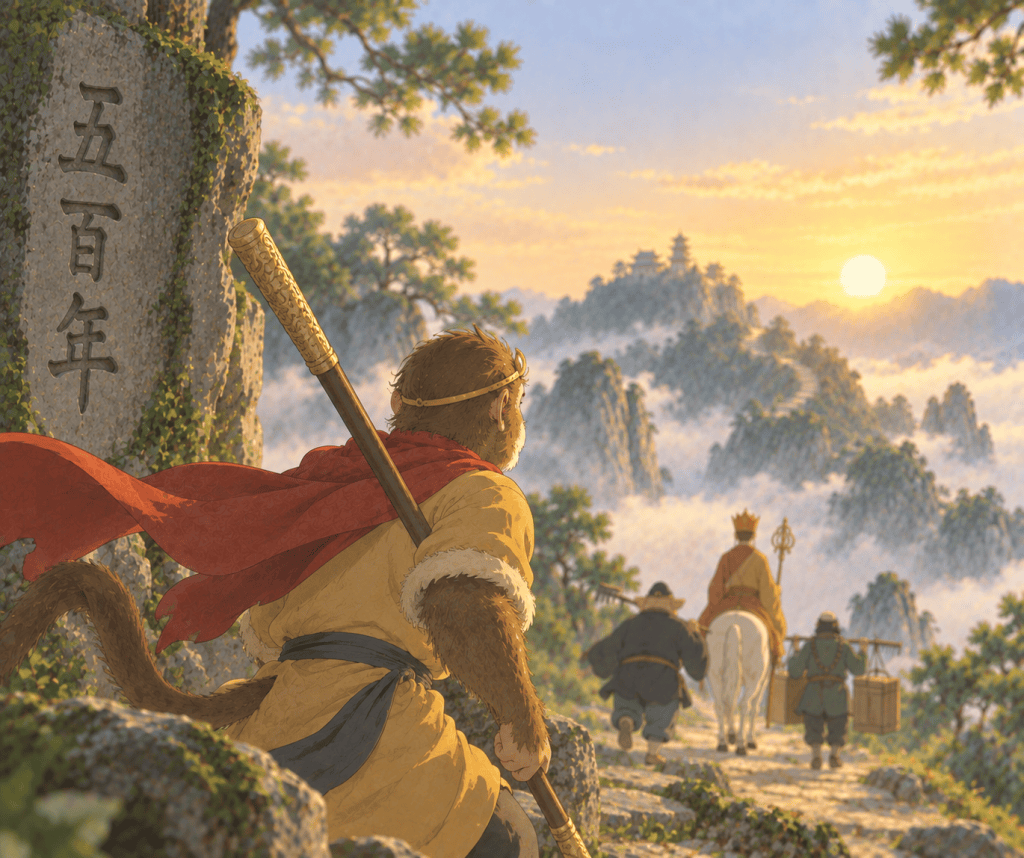
I remember that in Journey to the West, after Sun Wukong, the Monkey King, was imprisoned beneath the Five Elements Mountain, the song Five Hundred Years of Changing Seas and Mulberry Fields expressed the following idea:

Five hundred years—the seas and fields have changed places,
Even the stubborn stone has become covered with moss.
Yet one heart has never died,
Still yearning for freedom.

Even if wildfires burn,
Even if ice and snow cover the earth,
The aspiration remains unchanged,
And faith remains unshaken.

Was it not precisely because Sun Wukong endured five hundred years of hardship without allowing his determination and longing for freedom to be extinguished that he ultimately had the opportunity to embark upon the journey to obtain the Buddhist scriptures?

Namo H.H. Dorje Chang Buddha III taught:

Once you are set to achieve a goal, pursue it with doggedness and refuse to be distracted by anything deceptively attractive. A mountain climber should not stop to pick leaves and branches on the way, or he will never reach the top. This applies to everything.

The Buddha clearly teaches us here that once a person has made a specific and proper vow and established a goal, that person should strive to bring it to fulfillment and work diligently to turn that aspiration into reality. One must not become distracted by illusory circumstances encountered along the way and consequently stop moving forward.

Those who aspire to accomplish a great undertaking and ultimately reach the summit must not waste their time plucking leaves and grasping branches halfway up the mountain. Nor should they allow themselves to be detained by an illusory city, becoming content with having reached it and no longer wishing to continue.

Do Not Laugh at the Dreams of Youth

If we stop at such an illusory city, we will never accomplish our ultimate goal, nor will we ever reach the summit.

Life continually presents us with challenges, and we learn to deal with each one as it comes. The setting sun sinks into the mountains and sea; Within them lies a profound meaning.

Looking back, we may suddenly realize that, without even noticing it, we have already endured and overcome many hardships. Through them, we have become people who can gradually heal ourselves even while struggling through moments when everything seems to be falling apart.

No matter how many setbacks we encounter or how much suffering we must endure, as long as our minds do not become attached and we face circumstances with calmness and composure, even the greatest difficulties can eventually be faced and overcome.

Author: Fuyao Zhishang

Link: https://myhappylifestyle.net/2026/09/19/dorjechangbuddhaiii-do-not-laugh-at-the-dreams-of-youth/

#DorjeChangBuddhaIII #Spirituality #Buddha #Buddhism
What Can We Reflect Upon After Reading the Story of Zen Master Hakuin?

What Can We Reflect Upon After Reading the Story of Zen Master Hakuin?

In today’s rapidly developing age of big data, the pace of life continues to accelerate, while competition and pressure increase along with it. Driven by ever-growing greed and desires, many people resort to deception, fabrication, slander, and defamation.

So when disputes, lies, and deception actually confront us, how should we respond to them properly?

The Story of Zen Master Hakuin

There is a well-known Zen story:

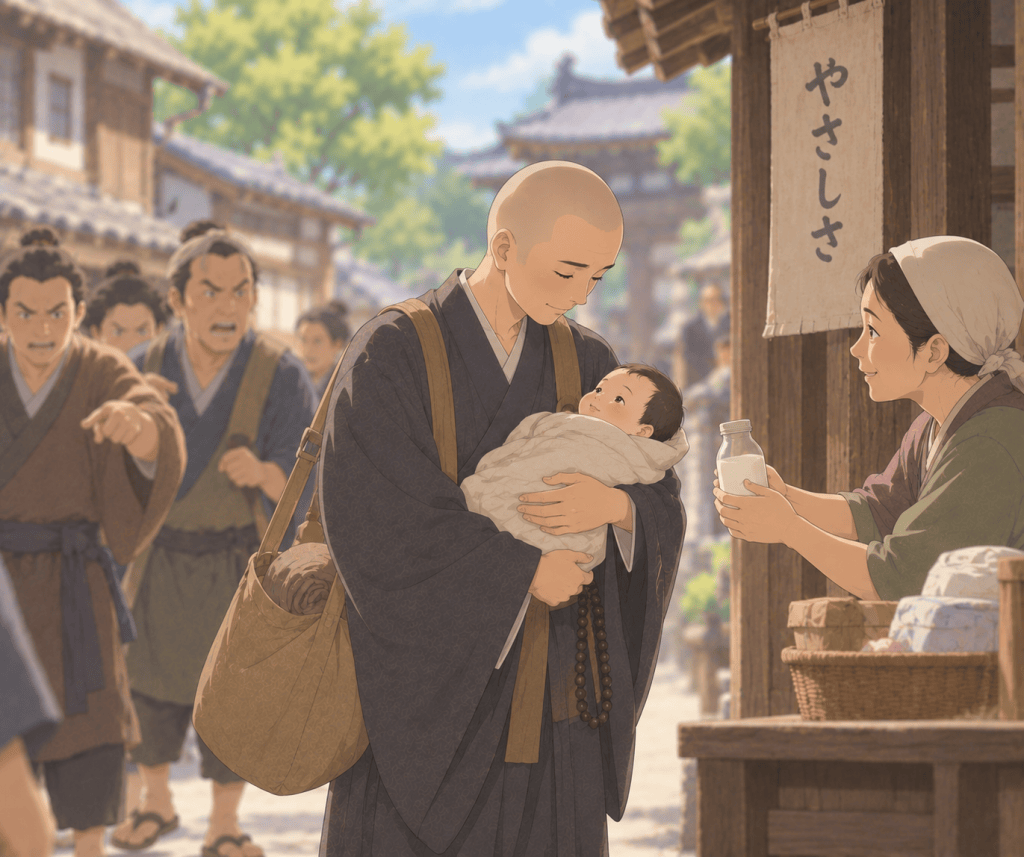
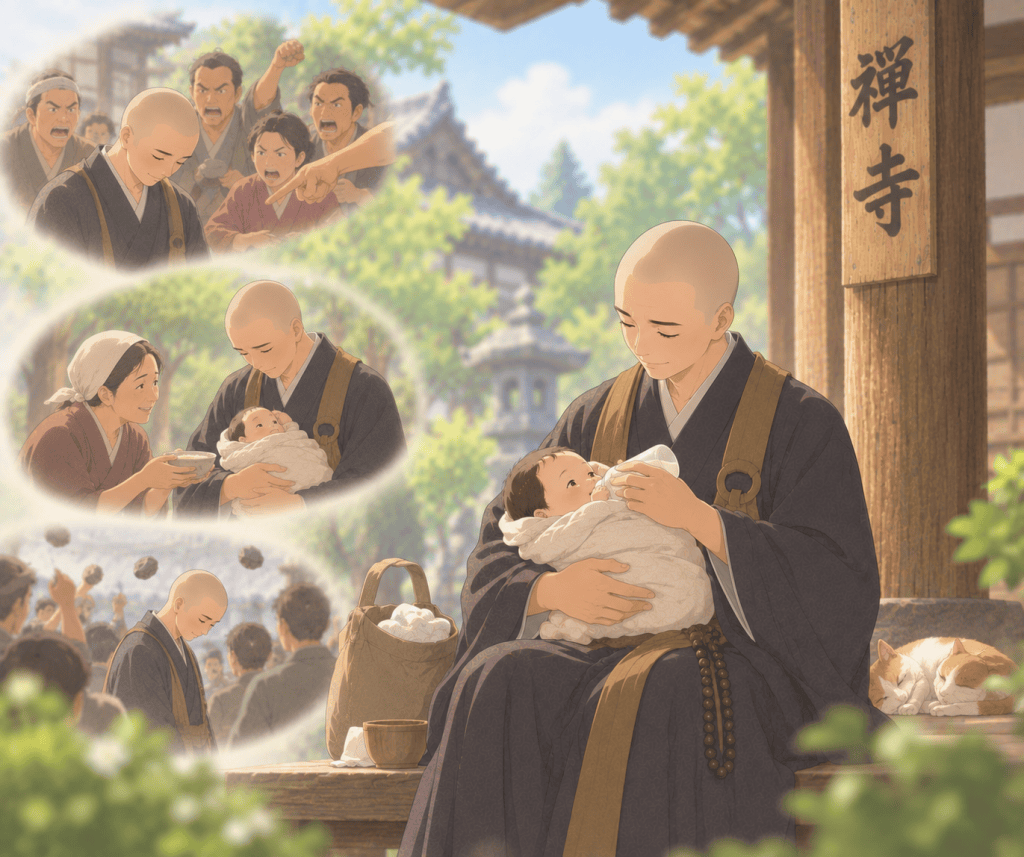
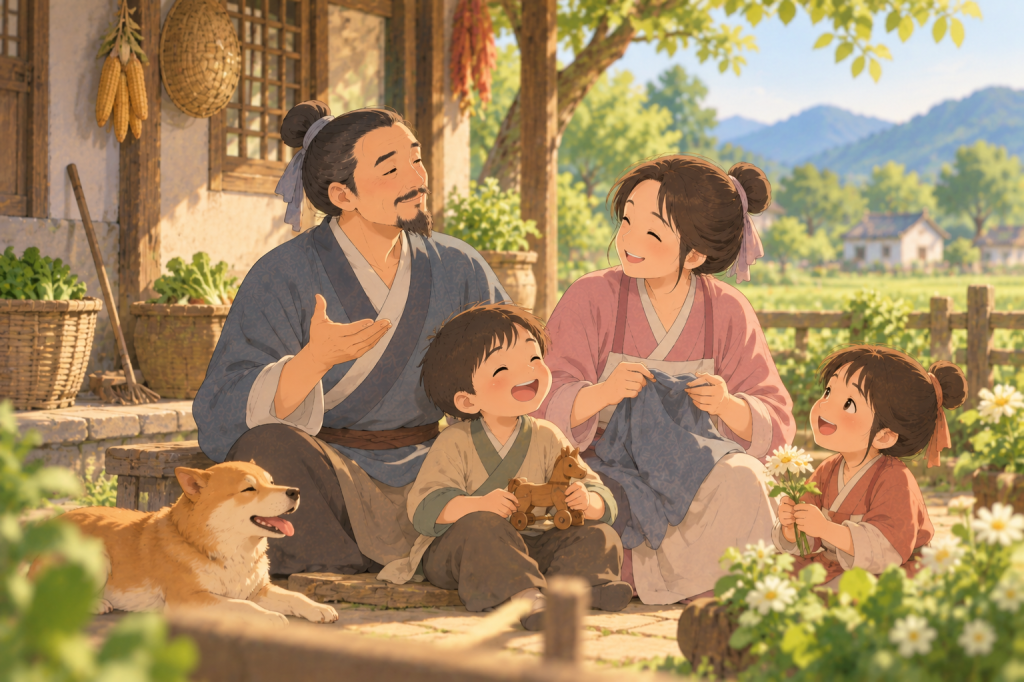
Zen Master Hakuin was an eminent monk renowned for his strict observance of the precepts and was deeply respected by the people around him.

What Can We Reflect Upon After Reading the Story of Zen Master Hakuin?

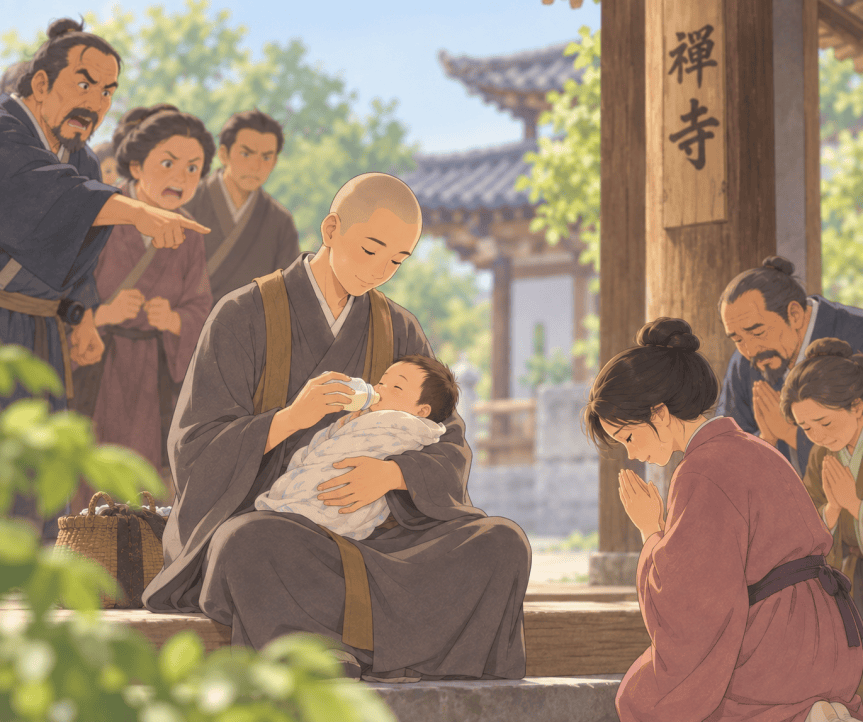
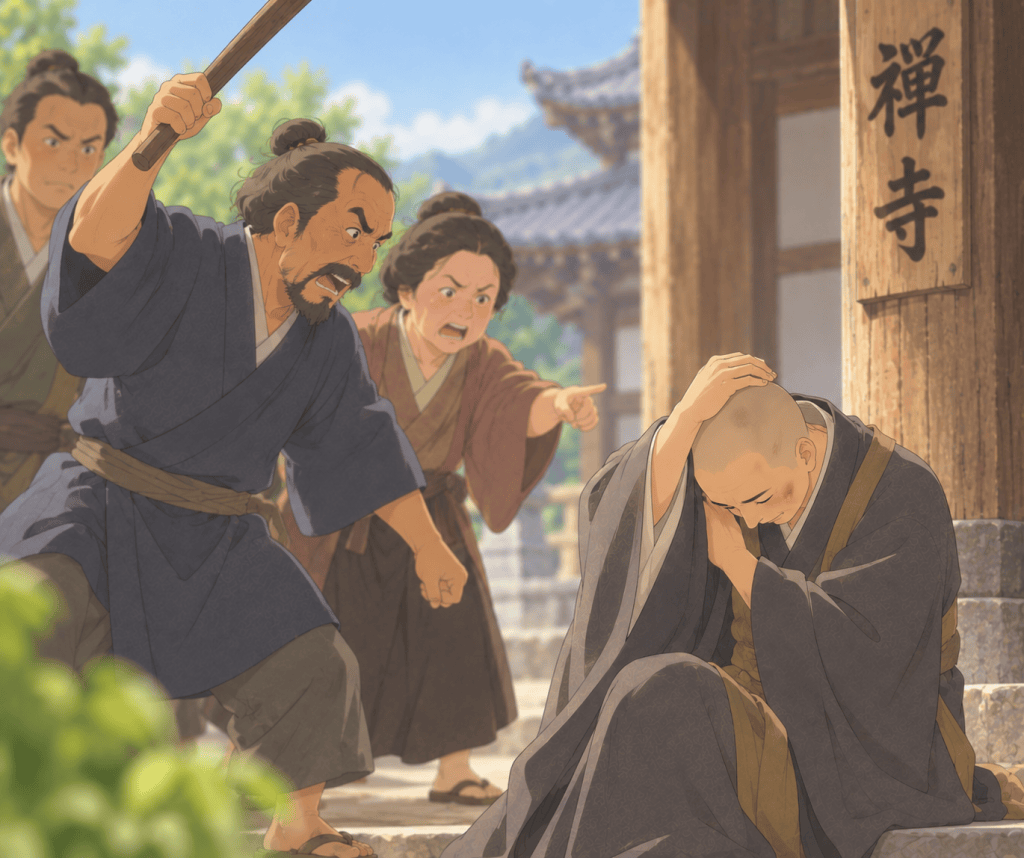
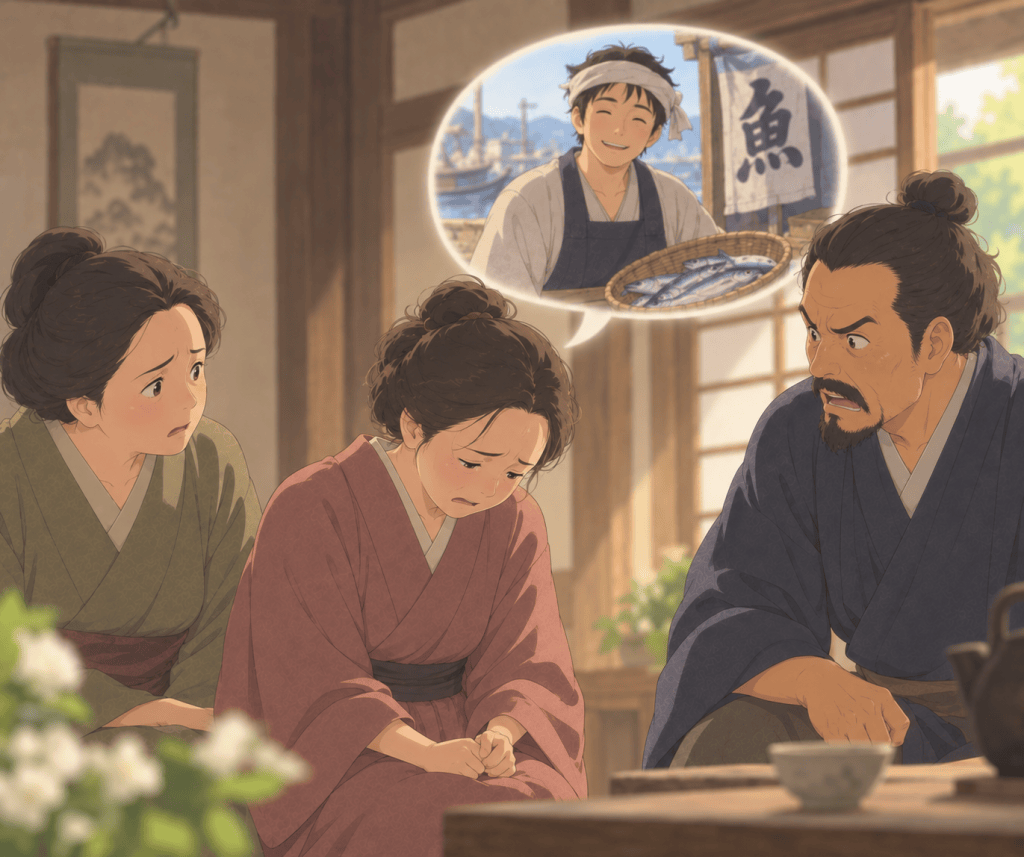
Near the temple where Zen Master Hakuin lived was a family with an unmarried daughter who became pregnant. When her parents discovered her pregnancy, they were furious and repeatedly demanded to know who the father of the child was. Under intense pressure from her parents, the daughter finally uttered the name, “Hakuin.”

Shocked and enraged, her parents gathered a group of people and stormed into the temple. In front of everyone, they humiliated Zen Master Hakuin and even beat him.

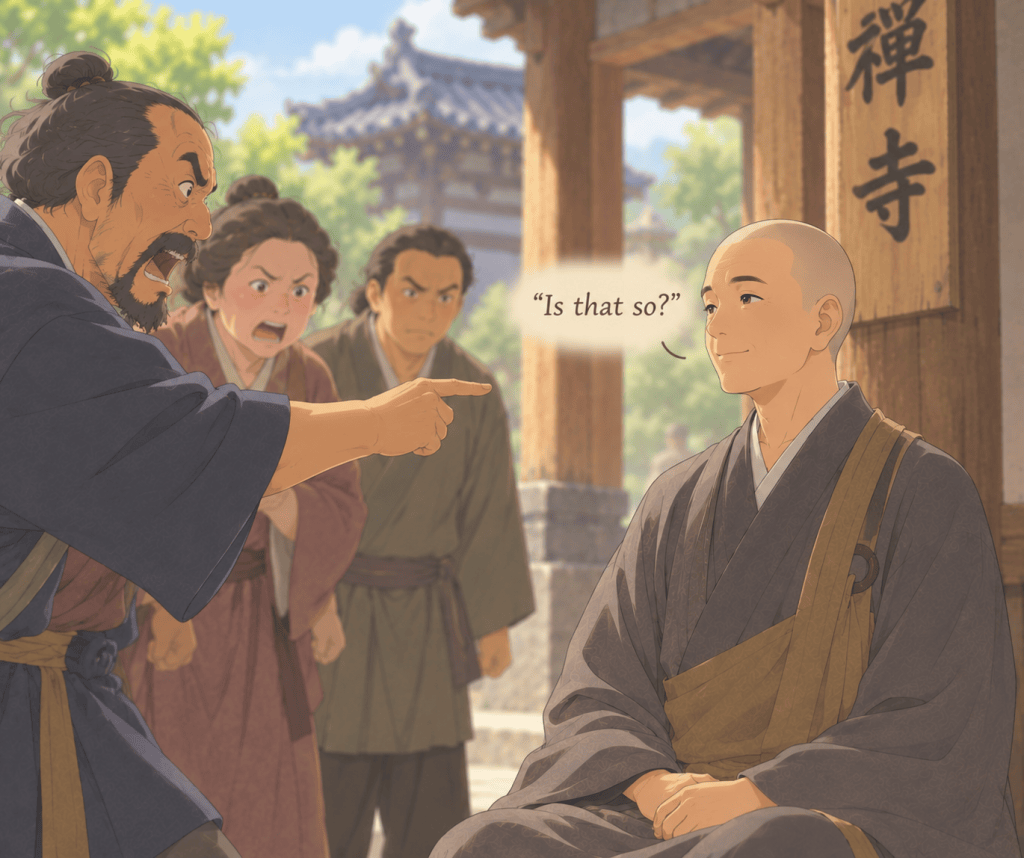
Yet Zen Master Hakuin offered no explanation or defense. He simply responded softly:

“Is that so?”

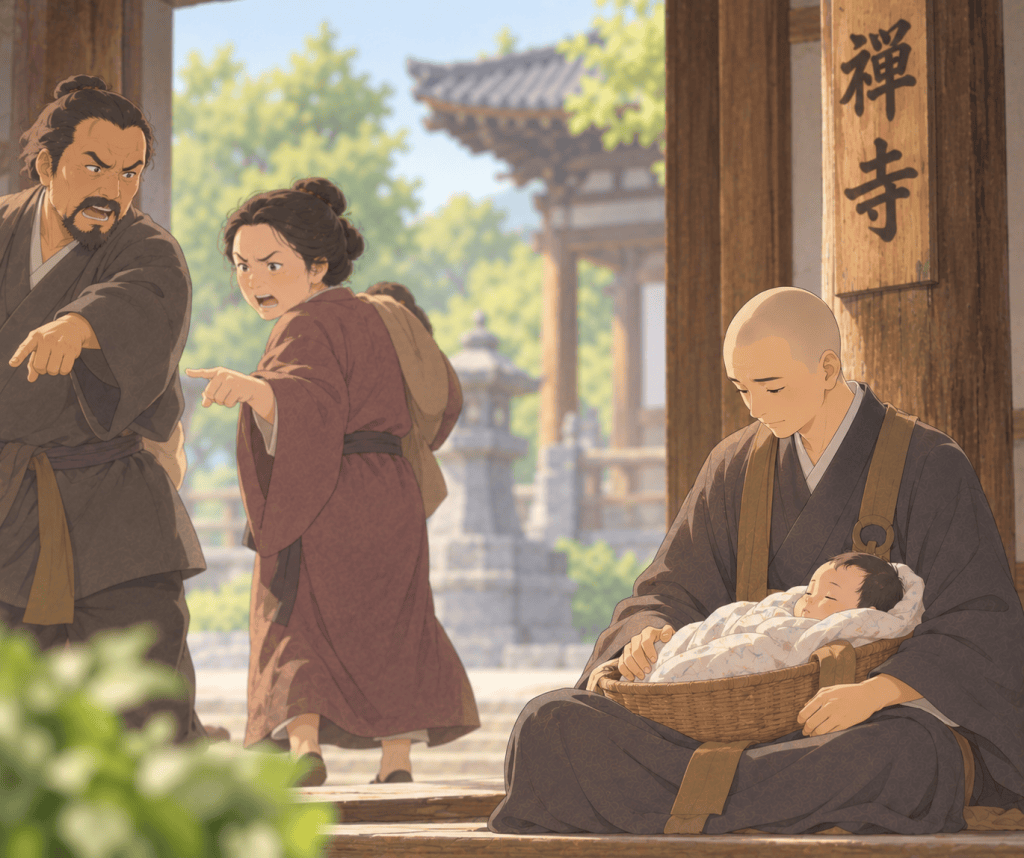
After the baby was born, the girl’s parents carried the child to the temple, left the baby with Zen Master Hakuin, and departed while angrily cursing him.

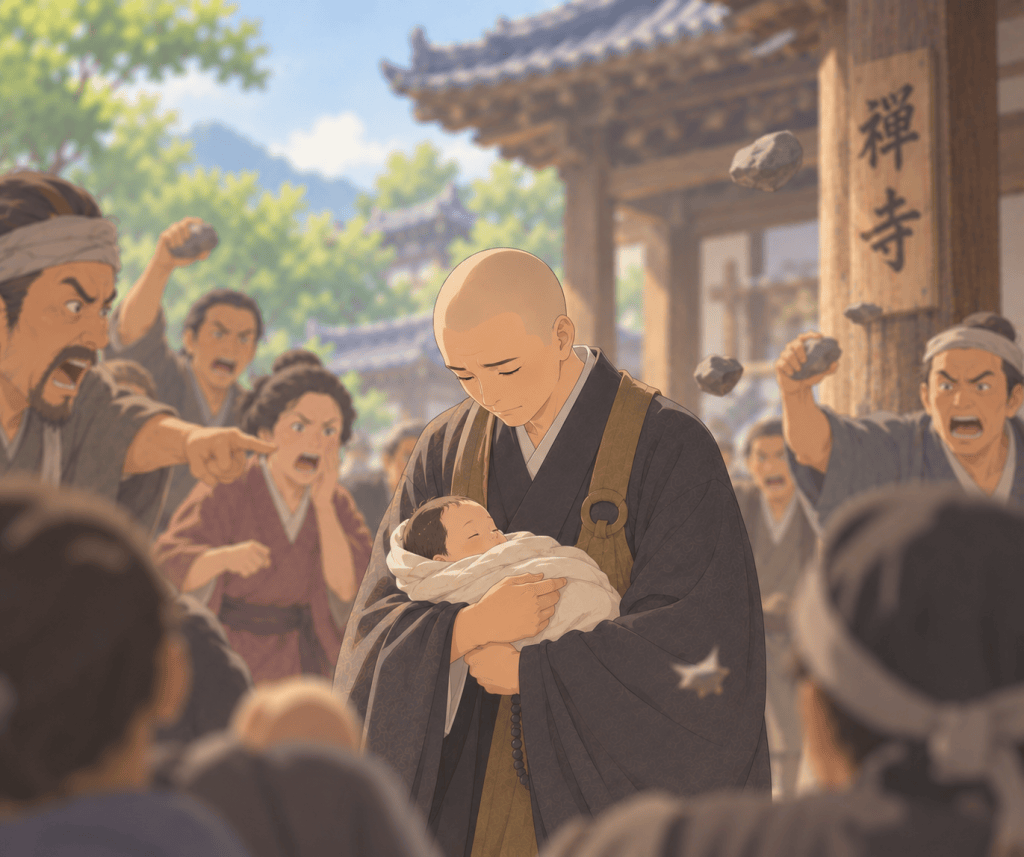
As news of the scandal spread, public outrage erupted. People accused Zen Master Hakuin of being a hypocrite. Some spat at him, insulted him, and even threw stones at him. As the saying goes, “Good news travels slowly, but bad news travels fast.” Before long, Zen Master Hakuin’s reputation was ruined.

Yet no matter how severely he was insulted, he silently endured everything without defending himself or arguing. Every day, he carried the infant with him and went from place to place seeking milk and other necessities for the child.

Eventually, the young woman could no longer bear the guilt and condemnation weighing upon her conscience. She finally confessed the truth to her parents: the actual father of the child was a young man who sold fish.

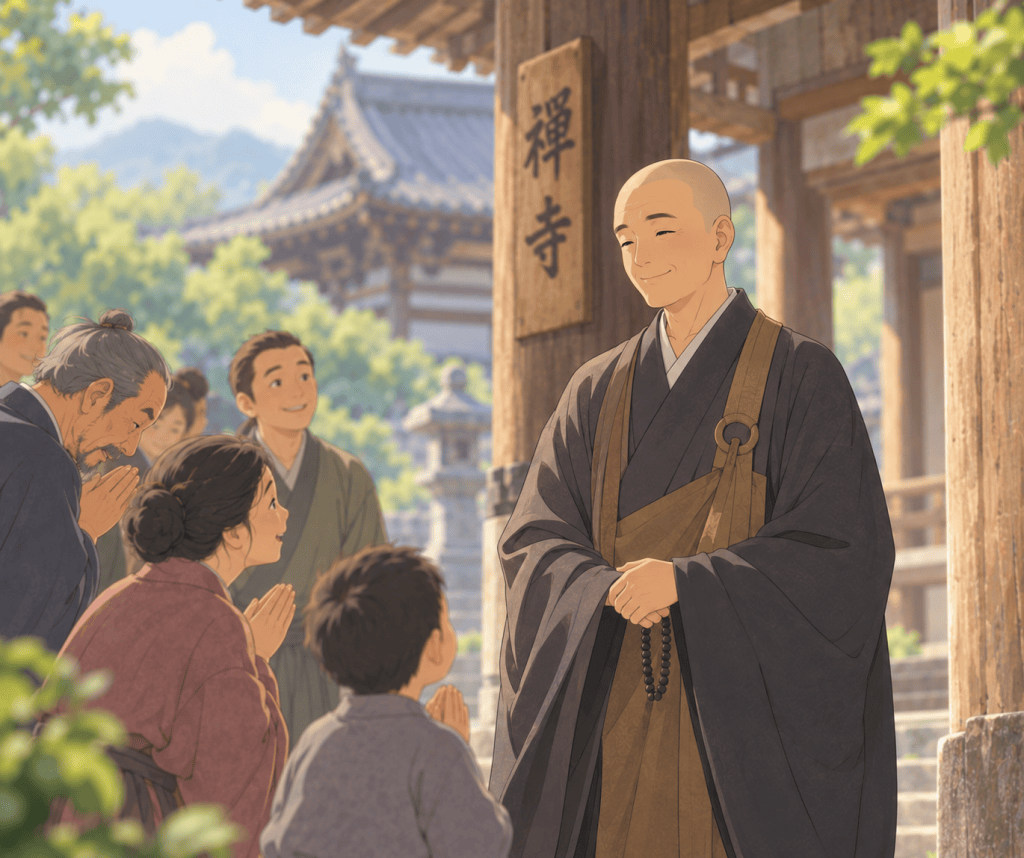
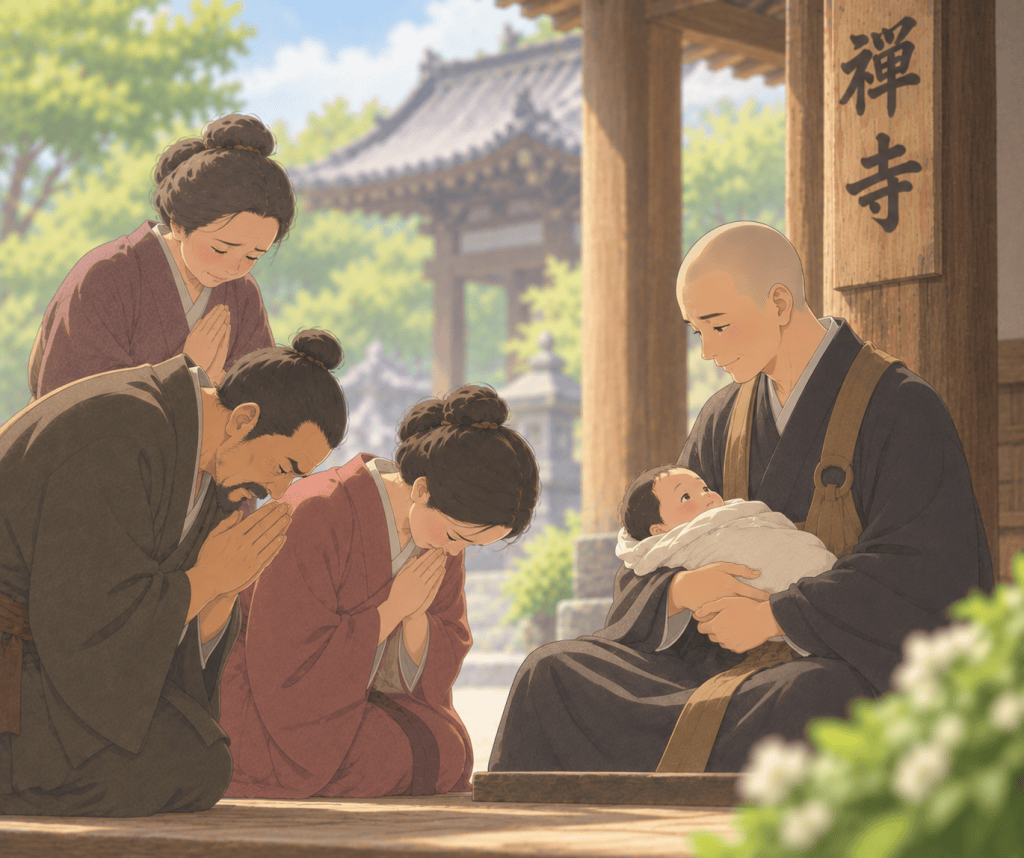
After learning the truth, the parents and their daughter went to the temple filled with profound shame and respect. They apologized to Zen Master Hakuin, expressed their remorse, and asked to take the child back.

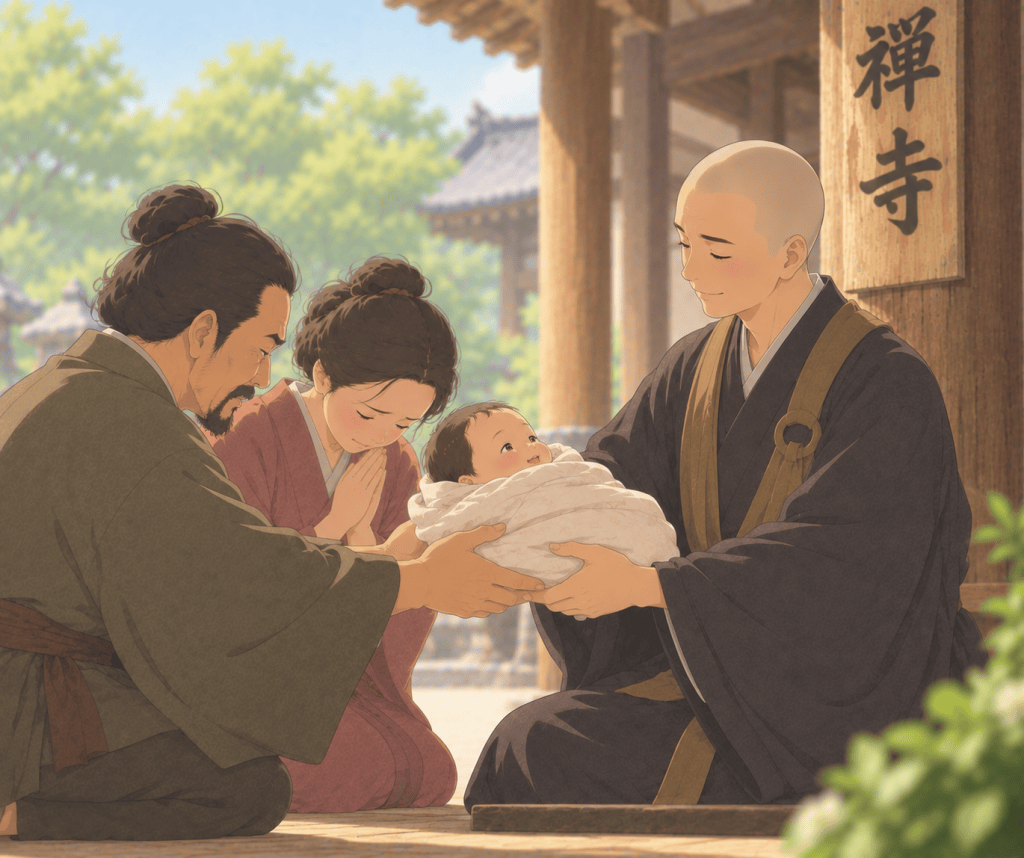
Zen Master Hakuin remained just as composed as he had been at the beginning, as though nothing had ever happened. As he handed the child back to them, he simply said softly:

“Is that so?”

Zen Master Hakuin was indeed an eminent monk of genuine virtue. When he was falsely accused, personally humiliated, condemned as though he had committed an unforgivable offense, and stripped of his reputation, he neither defended himself nor argued or tried to justify himself. Instead, he continued to place the well-being of living beings before himself.

Amid insults, humiliation, and condemnation, he continued to care attentively for the child. Throughout the entire ordeal, he maintained compassion and patiently endured the tremendous humiliation and hardship placed upon him.

What Can We Learn From This Story?

Now that the story has been told, what can we deeply reflect upon?

In Philosophical Sayings on Worldly Matters, Namo H.H. Dorje Chang Buddha III taught:

In a dispute about right and wrong, there is nothing worse than to stick to one’s position and continue arguing, thus compounding one’s wrong and finally getting into trouble. For this reason, one should not let oneself be overwhelmed by disputes.

The general meaning of this teaching is that when we encounter slander or ridicule, we should not hold it in our hearts. As time passes, such disputes will naturally and gradually fade away because their very nature is impermanent. Therefore, when confronted with disputes over right and wrong, not holding them in our hearts benefits both ourselves and others.

In real life, when we actually encounter disputes, lies, slander, defamation, or other malicious tactics, if we respond with hatred, anger, insults, or emotional outbursts, ultimately we are the ones who suffer. Our anger, hatred, and verbal outbursts may not harm the other person in the slightest; the other person may even secretly take pleasure in seeing us become upset. If instead we choose retaliation, what we receive in return may simply be even stronger retaliation.

Therefore, in learning Buddhism and cultivating ourselves, we must conscientiously practice in accordance with the teachings of Namo H.H. Dorje Chang Buddha III. We should understand that all matters and phenomena are inseparable from cause and effect. We should learn to put ourselves in others’ shoes, be tolerant toward others, maintain compassion, patiently endure adversity and humiliation, and refrain from holding disputes over right and wrong in our hearts.

If we can do so, not only will we avoid being overwhelmed by pressure, conflict, and disputes, but we will also be able to temper and strengthen ourselves through difficulties and challenges.

Zen Master Hakuin provides a powerful example. Amid disputes, humiliation, and false accusations, he patiently endured and continued his cultivation. Rather than being swayed by external circumstances, his conduct revealed even more clearly the virtue and dignity of a truly eminent monk.

The path of life must be walked by each of us, one step at a time. Which path we choose to follow is ultimately our own choice.

When we can truly understand cause and effect and awaken to the truth of impermanence, we can gain deeper insight into life. In doing so, we can better make use of this precious lifetime and ultimately walk toward a life filled with happiness, brightness, and hope.

Link: https://myhappylifestyle.net/2026/09/18/dorjechangbuddhaiii-what-can-we-reflect-upon-after-reading-the-story-of-zen-master-hakuin/

#DorjeChangBuddhaIII #Spirituality #Buddha #Buddhism
How Great Is the Power of One Person?

How Great Is the Power of One Person?

Namo H.H. Dorje Chang Buddha III once expounded the Dharma:

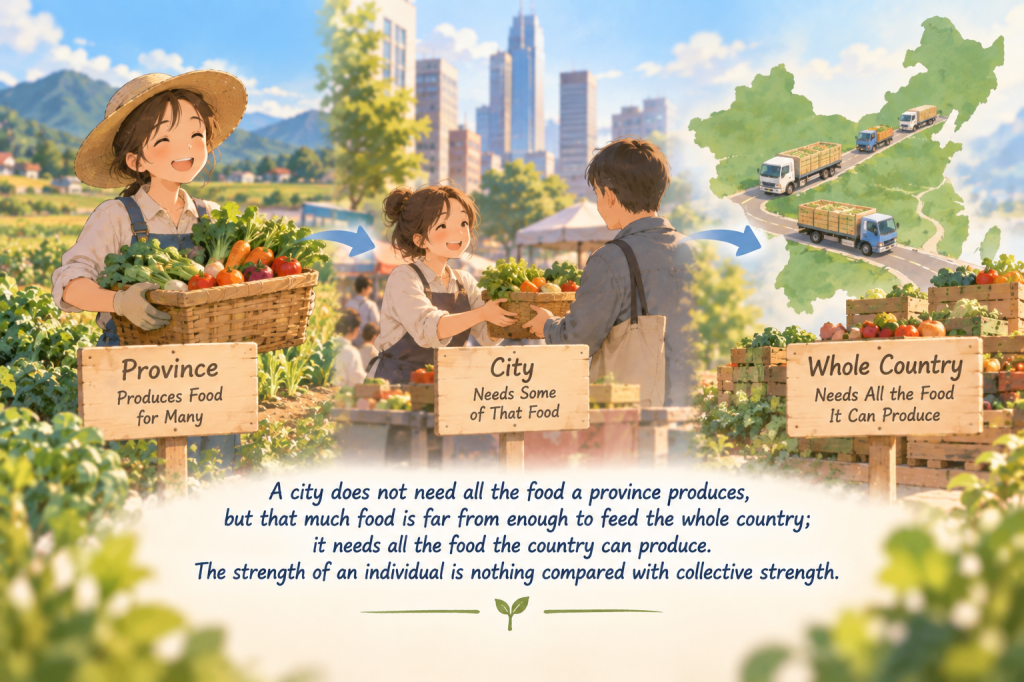
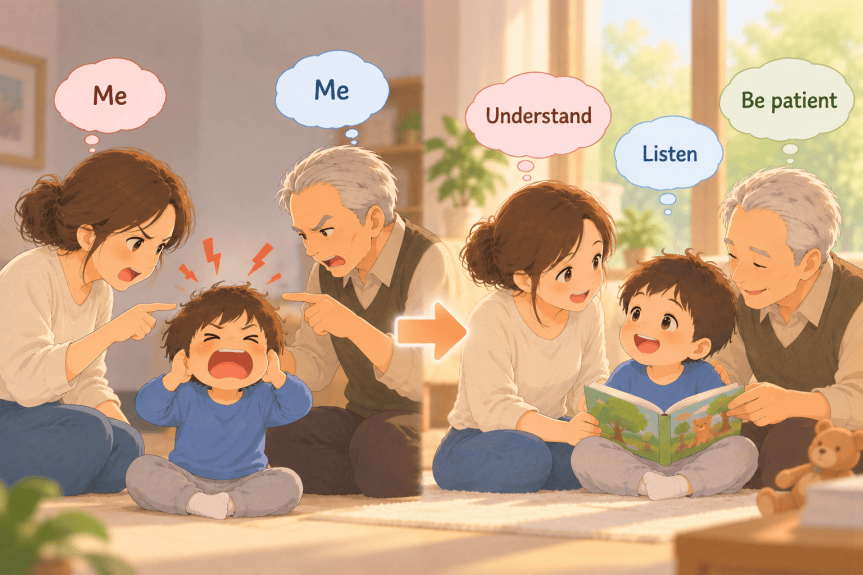
“A city does not need all the food a province produces, but that much food is far from enough to feed the whole country; it needs all the food the country can produce. The strength of an individual is nothing compared with collective strength.”

The meaning of this principle is that the size, corresponding energy, and function of all things in the world are relative and can be understood through comparison. Without comparison, we cannot discern what is large or small, nor can we understand the principles governing their appropriate application.

For example, if the farmland of an entire province were used to support only one city, it would seem vast and abundant. However, if an entire country had to depend on the farmland of just that one province, it would be insufficient to meet the needs of its people. Thus, the people of a nation require the land and resources of a nation to sustain them.

This illustrates an important principle: No matter how powerful an individual may be, and no matter how great that person’s abilities or talents are, the power of one person is ultimately limited. Only when the strength of many people is brought together can truly great power arise.

How can we better understand this principle? Let us consider several examples from everyday life.

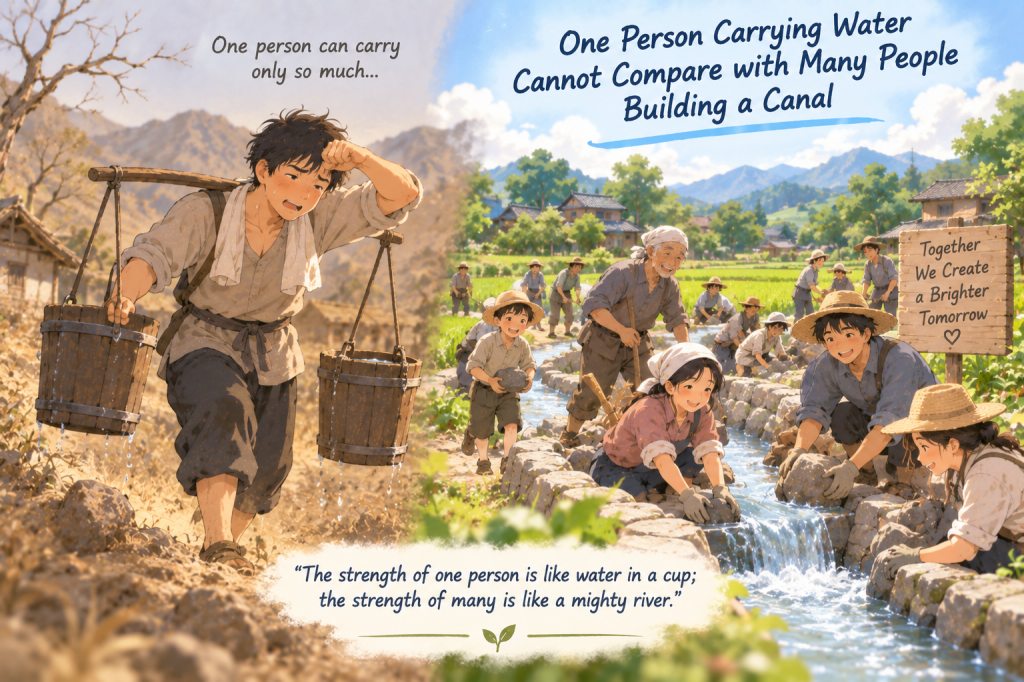
One Person Carrying Water Cannot Compare with Many People Building a Canal

Long ago, there was a mountain village that suffered from drought year after year. A remarkably strong man in the village could carry fifty loads of water each day, enough to support his own household and several neighboring families. The villagers praised him for his extraordinary strength.

But when a severe drought struck and hundreds of villagers desperately needed water, even his great strength was of little help. He broke his carrying pole and wore his shoulders raw, yet he still could not provide enough water for everyone.

Eventually, all the villagers—men and women, young and old—joined together to dig a canal, divert water, and build stone embankments. Three months later, clear water flowed into the village, and barren hillsides were transformed into fertile farmland.

The strong man sighed with realization:

“The strength of one person is like water in a cup; the strength of many is like a mighty river.”

Working Alone Cannot Compare with Advancing as a Team

At a technology company, there was a brilliant developer who independently created a piece of software with industry-leading performance. However, customers soon requested more than a hundred customized requirements. Despite working day and night, he was able to complete only a fraction of them.

The company later assembled a team. Some members specialized in interface design, others optimized algorithms, while still others communicated directly with customers. Within only three months, the team released multiple improved versions, and the company’s market share tripled.

The talented developer became thoroughly convinced of the power of teamwork:

“No matter how fast one person can run, he cannot outrun the wheels of a team moving together.”

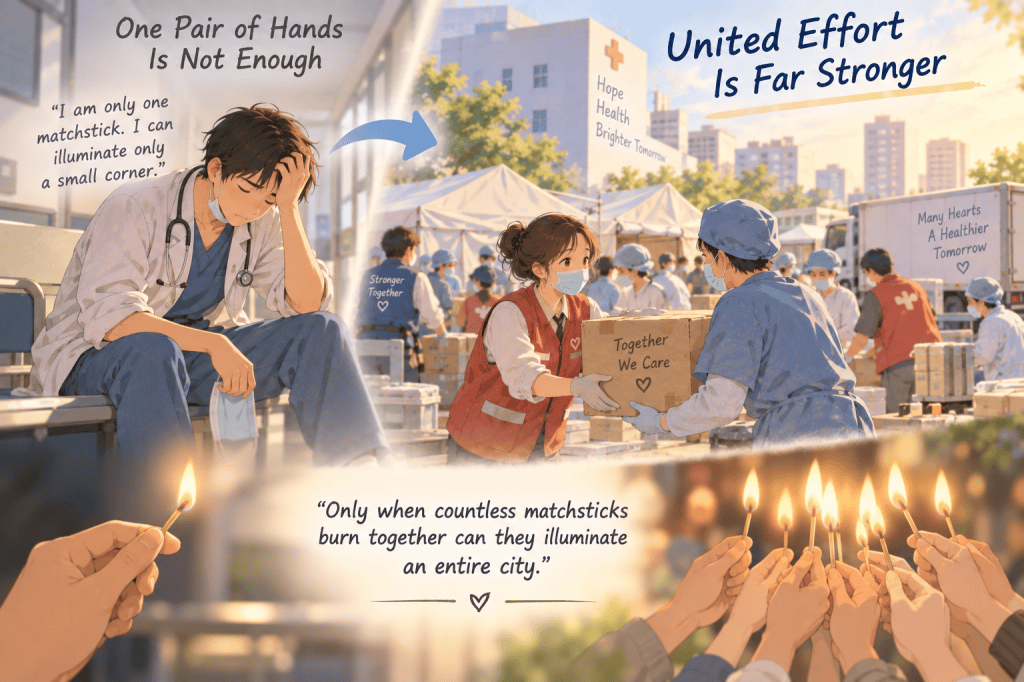
One Pair of Hands Is Not Enough; United Effort Is Far Stronger

“I am only one matchstick. I can illuminate only a small corner.”

This was the realization of a doctor who collapsed from exhaustion during an epidemic. He had worked continuously for 72 hours, treating dozens of patients, and people called him an “iron man.”

But when the number of infections surged into the thousands, his strength finally gave out, and he collapsed beside a hospital bed.

Soon afterward, medical workers, volunteers, logistics personnel, and community workers arrived from across the country in great numbers. Together, they built temporary medical facilities, delivered essential supplies, conducted screenings, and eventually brought the outbreak under control.

Reflecting on this, the doctor said:

“Only when countless matchsticks burn together can they illuminate an entire city.”

No matter how strong one person may be, that individual cannot surpass the strength created when many hearts unite. A single drop of water may seem insignificant, but countless drops come together to form an ocean. A handful of earth may seem inconsequential, but countless handfuls can rise into a mountain.

The principle expressed by the Buddha in the words, “A city does not need all the food a province produces, but that much food is far from enough to feed the whole country,” teaches us precisely this: the strength of an individual will eventually reach its limit, but when the strength of many is united, tremendous power can arise.

Yet if we wish to investigate more deeply and seek greater truths, we should seek them within the True Buddha Dharma expounded by Namo H.H. Dorje Chang Buddha III.

Alone, one may travel quickly; together, many can travel far.
The strength of one is limited; the strength of many is great.

May we cherish the light that each individual can offer while also understanding the importance of bringing together the flames of many. With our actions and with our hearts, may we put into practice the path of benefiting others.

By Yijie Xueren

Link: https://myhappylifestyle.net/2026/09/12/dorjechangbuddhaiii-how-great-is-the-power-of-one-person/

#DorjeChangBuddhaIII #Spirituality #Buddha #Buddhism
There Is No Generation Gap—Am I the North Wind or the Sun?

There Is No Generation Gap—Am I the North Wind or the Sun?

There is a saying: “If you have never experienced what others have gone through, do not be quick to judge their faults. If you have never endured their suffering, do not be quick to tell them how they should behave. If you had suffered what I have suffered, you might not have done any better than I did.” Such a simple truth—yet I never realized how poorly I had practiced it in the past.

Ever since I was young, my father had raised me with a strict and authoritative approach. This was very different from my relationship with my mother, with whom I always seemed to have endless things to talk about.

As I grew older, friction between my parents gradually increased, leaving many negative impressions deeply embedded in my mind. My father and I rarely talked. Whenever my parents had a disagreement, I invariably took my mother’s side without trying to view the situation objectively. As a result, my misunderstandings of my father grew deeper and deeper.

During the years when I suffered most severely from illness, my father took care of me tirelessly and without complaint. Although I was deeply moved by everything he did for me, for some reason I could never let go of the memories of his arguments with my mother. Deep inside, I still harbored resentment toward him.

After my mother passed away, my father was overwhelmed with grief. Yet he often pulled himself together to encourage me, simply because he was afraid that remembering my mother would make me sad and bring me to tears.

Now that only my father and I remained to keep each other company, the awkwardness of having so little to talk about became even more apparent. Sometimes when I accompanied him on walks, I would become impatient when he repeatedly talked about things from the past. Although this was his way of expressing his emotions, I failed to recognize the helplessness and loneliness hidden behind his words.

Instead, I behaved almost like a fault-finding inspector. Even as I listened to him, I would contradict or correct him. Our conversations would often end with him saying, “If you don’t like talking to me, at least don’t lose your temper with me!”

I do not know how many times this pattern repeated itself. Then one day, I suddenly became alarmed by my own conduct. I realized what an inconsiderate daughter I had been. I had continued to hold on to the painful memories of my parents’ arguments, and because of that, I had never truly listened to what was in my father’s heart.

I began to think: We can change ourselves without demanding that others change, can’t we? Moreover, how could I possibly understand all the causes and conditions underlying the relationship between my parents?

I therefore resolved to become a gentler and more understanding daughter. I began training myself to truly listen, to let go of the burdens and attachments of the past, and to sincerely fulfill my filial duty toward my father.

It reminded me of Aesop’s famous fable, “The North Wind and the Sun.” I was determined to be the sun!

Gradually, my relationship with my father became more and more harmonious. Whenever I am not by his side, I call him at a regular time each day to see how he is doing. When I return home, I also make an effort to spend more time talking with him. Over time, my father has come to feel that I genuinely care about him.

My father and I had once been almost like strangers, but now we live together in harmony. I deeply understand that this transformation came about through genuinely learning and practicing Buddhism. It is also a result of frequently listening respectfully to the Dharma discourses expounded by Namo H.H. Dorje Chang Buddha III, through which I received purification and blessings.

The Buddha Dharma exists in this world and is inseparable from awakening within this world. There is no knot in life that cannot be untied. What matters is whether we are willing to let go of our attachments and make the change.

Link: https://myhappylifestyle.net/2026/09/08/there-is-no-generation-gap-am-i-the-north-wind-or-the-sun/

#DorjeChangBuddhaIII #Spirituality #Buddha #Buddhism
Caring for Animals Starts with Me

Caring for Animals Starts with Me

Small animals are among the most vulnerable living beings around us. They need our care and protection, and every life deserves to be respected. So, what can we do to better care for and protect animals?

1. Do Not Abuse Animals

Animal abuse is unethical. It not only causes physical harm and suffering to animals but can also negatively affect our own hearts and minds. We should respect all life, treat animals with kindness, and never abuse or harm them.
2. Protect the Environment

The natural environment is the home on which animals depend for survival. We should each do our part to protect the environment, reduce pollution, and provide animals with a safe and healthy habitat.

For example, we can reduce our use of plastic bags, disposable tableware, and other single-use products, while choosing more environmentally friendly ways to travel whenever possible.

3. Care About Animal Welfare

Animal welfare refers to the basic well-being that animals should enjoy in their lives. We should pay attention to their living conditions, respect their natural habits and behaviors, and refrain from arbitrarily hunting, capturing, or trading wild animals. We should also avoid unnecessary interference that may cause animals harm or distress.

4. Adopt Instead of Buying

When considering bringing a pet into our lives, we should consider adoption from a reputable animal shelter or rescue organization and give special care to animals that are sick, vulnerable, or have suffered abuse.

We should also support the rescue and adoption of stray and homeless animals, giving them the opportunity to find a safe, loving, and warm home.

Link: https://myhappylifestyle.net/2026/09/05/caring-for-animals-starts-with-me/

Video Link: https://www.youtube.com/shorts/BV1Jx0gOgNM

#CareForAnimals #AnimalsLovers #CompassionForAnimals #AnimalsProtection