Say No to Mental Exhaustion: There Is No Standard Answer to Life
In Aesop’s Fables, there is a humorous and thought-provoking story called The Father, the Son, and the Donkey.
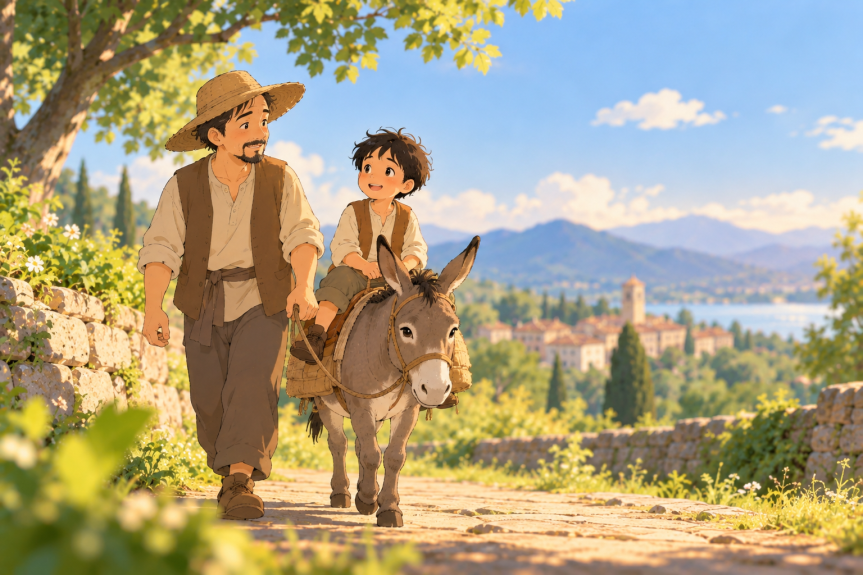
A father and his son were leading a donkey to the market to sell it. Along the way, a group of young girls saw them and laughed at their foolishness, saying that they had a donkey but did not even know enough to ride it.
Thinking that they had a point, the father let his son ride the donkey while he walked alongside it.
Before long, an elderly man passed by and lamented the decline of moral values. He criticized the son for being unfilial, allowing his father to walk while he rode the donkey. Hearing this, the father and son switched places, with the father riding and the son walking.
After traveling a little farther, they encountered a woman who mocked the father for being heartless, riding comfortably while making his son walk. The father quickly invited his son to ride with him.
However, after continuing for some distance, another passerby criticized them, saying that two people riding such a thin donkey would surely exhaust it to death.
Upon hearing this, the father and son immediately dismounted. They found some rope, tied the donkey’s four legs together, and carried it on a pole.
As they were crossing a bridge, the donkey struggled violently, fell into the river, and drowned. The father and son could do nothing but embrace each other and weep bitterly.
After reading this story, most people would instinctively criticize the father and son: How could they be so foolish? Why did they immediately change their actions whenever someone made a comment? They had no firm convictions of their own!
Yet, upon deeper reflection, the story reveals a profound lesson: No matter what choices you make, you can never satisfy everyone.
From the young girls’ perspective, the donkey should have been put to good use, and riding it was better than walking alongside it. From the elderly man’s perspective, a son should respect and care for his father, so the father should have priority. From the woman’s perspective, a father should care for his child, so the son should have priority. From the passerby’s perspective, the donkey should be treated with compassion, so its well-being should come first.
Were any of them wrong? From their respective perspectives, their opinions were not necessarily right or wrong.
The crucial question is: What did the father and son actually want?
Returning to their original intention, all they wanted was to take the donkey to the market, sell it, and earn some money.
However, by repeatedly listening to others and trying to please everyone, they abandoned their independent judgment and their original convictions. In the end, they lost everything.
If we behave like the father and son in this fable, constantly seeking others’ approval and repeatedly questioning our own decisions, everything we pursue may ultimately prove to be nothing more than an illusion, like flowers reflected in a mirror or the moon reflected in water.
In reality, we do not need to please everyone. We can make our own choices because there is no single standard answer to life.
Life does not follow a fixed path, either. Each of us is given a different script. Our opportunities are unequal, our choices differ, and our outcomes are not necessarily the same.
Those who are “born in Rome”—children from wealthy families—may enjoy privileged access to resources, graduate from prestigious overseas universities, and return home to start businesses.
Children of celebrities may have exceptional advantages and opportunities, with easier access to the spotlight and public recognition.
Gil Perez, a longtime doorman at Christie’s auction house, worked for 35 years welcoming and assisting visitors, eventually retiring with benefits reportedly comparable to those of a vice president and an annual income reaching one million.
Meanwhile, students from small towns who have spent more than a decade studying diligently may overcome the limitations of their backgrounds through perseverance and hard work, eventually finding their place at the forefront of a changing world.
Although we all begin life from different starting points, with some getting an early start and others beginning later, our starting point does not determine our destination. The effort and perseverance we demonstrate along the journey remain deeply inspiring.
Life is full of examinations, and every experience presents a question to be answered. None of the paths we have traveled are meaningless; every step counts. Whether we find ourselves in a valley or at the summit, each offers its own scenery. Whether we encounter storms or sunshine, every experience can become a source of enrichment.
True redemption lies in personal growth and the refinement of one’s character. We need not glorify suffering, but the resilience and determination developed through adversity are certainly worthy of admiration.
“A tree exposed to the fury of the elements will grow tall and strong. A tree kept indoors will be too weak to survive any harsh environment even when its top touches the ceiling. A life of ease and comfort produces only weaklings.”
This means that trees worthy of becoming great structural pillars are those that have undergone extensive trials and refinement. Standing beneath heaven, the sun, and the moon, they endure the harshness of wind, cold, heat, and moisture as they grow.
In remote mountains and wilderness, these trees withstand countless hardships, storms, and years of exposure to the elements. Through such prolonged trials, they eventually grow into tall, strong, and sturdy trees.
However, if a tree is planted indoors, no matter how much it grows—even if it reaches the roof—it remains tender and underdeveloped. Without sufficient sunlight, rain, and exposure to the natural elements, it lacks the necessary conditions for proper growth and strengthening. As a result, its wood remains soft and immature, unsuitable for practical use.
The same principle applies to human beings.
If a person merely studies behind closed doors, never experiences hardship, never undergoes various forms of training, and remains completely disconnected from society and practical life, that person will never truly understand the full range of life’s experiences—the bitterness, sourness, spiciness, sweetness, and saltiness of life.
Without such experiences, one cannot become a strong and capable individual. And without developing such strength and capability, one cannot become a truly outstanding and useful person.
Therefore, to become a person of genuine ability, one must undergo the kinds of trials described by the ancients: having one’s muscles and bones tested through hard work, experiencing hunger and physical hardship, enduring poverty and deprivation, and facing difficulties that challenge one’s actions and resolve.
None of these forms of training can simply be overlooked if one wishes to develop genuine ability. Only through diverse experiences, practical training, and personal refinement can a person ultimately become someone of true value and capability.
Program Broadcast on the China International Education TV– Probe the Fundamental Origin of Propagating True Buddha Dharma
Focus on Pioneers
Cherishing a compassionate mind, bringing peace and harmony to living beings, being ardently respected by humans and heavenly beings alike, and engaging in the undertaking of broadly saving living beings, He is the genuine incarnation of primordial Sambhogakaya Buddha, Dorje Chang Buddha.
He is the first Buddha in the history of Buddhism of several thousand years who does not accept offerings. He imparts the Dharma in common and easy-to-understand language, enabling listeners to achieve awakening of different depths depending on their own background and ability. His accomplishments in the Five Vidyas are the best in the history of Buddhism.
In this session of our program, we will together step onto the journey of discovery to reach the fundamental root of Buddhism, from which true Buddha Dharma is propagated.
Buddhism and Its Role in Human Civilization
Through the ever-flowing long river of human history, what can last long is culture. Within the domain of culture, religious aspiration has the longest, widest, and deepest influence.
Looking through the history of the world since ancient time, you will discover that Buddhism, as a world-wide religion, has not only been an important force for the stability and development of society, but more importantly, also played a pioneering role in cultural development and advancement of civilization.
Xiong Wenli (Professor of Buddhist study, Hua Zang Buddhist Institute):
There are very many philosophical schools and sects in the world, but these philosophical schools and sects basically all start from the individuals’ subjective opinion. That is why, among so many philosophical schools and sects currently in society, there exist very many debates and controversies. This is the reason for such a situation.
However, the world view and methodology of Buddhism are different. They do not start from subjectivity and instead are established on the foundation of reality and the absolute truth of the universe. Therefore, that constitutes the type of the most scientific, the most objective, the most perfect, and the best world view and methodology.
Among the world’s multi-aspect cultural entities, Buddhism, by its unique duality of aspiration of transcending the world and feeling of concern about the world, has been evolving more and more into a spirit of humanity to guide and lead the world’s cultural development and to save the fate of mankind.
Exactly because of this, Buddha Dharma for attaining supreme, equal-minded, and perfect enlightenment is utmost important. Then, the ability to propagate the true Dharma of the Tathagatas is even more so a kind of greatly good karmic condition, a kind of great virtue.
The Dharma Teachings of H.H. Dorje Chang Buddha III
Dharma Master Shi Ruohui (Abbess of Hua Zang Si):
The coming of H.H. Dorje Chang Buddha III to this world brings the perfect and complete true Dharma of the Tathagatas. The goal is to help living beings cultivate themselves through learning from Buddha, in order to attain accomplishment and liberation.
For several decades, His Holiness the Buddha worked tirelessly day and night to compassionately edify living beings.
Since His Holiness the Buddha sees the fundamental nature of living beings thoroughly, He uses simple and explicit language to explain loft and profound Buddhist principles clearly in the process of teaching. Therefore, those who listen to the Dharma can understand at different depths based on their current background and enter deeper step by step. Eventually, they will be able to comprehend, realize, and awaken to the precious essence of the Tripitaka.
In addition to expounding the supreme absolute truth of the universe and human life, many teachings of His Holiness the Buddha also apply expedient means, provide guidance to cultivation, emphasize the importance of cultivation as well as its relationship with practicing the Dharma, and give many examples about the truth that the law of cause and effect never errs or ceases.
Whether the listeners are sect leaders, great holy virtuous persons, and great Dharma masters within the Buddhist world or even people of all walks in society, all have received innumerably many benefits after listening to the Dharma. Moreover, they are full of admirations to His Holiness the Buddha.
H.H. Dorje Chang Buddha III is the genuine incarnation in this world of the primordial Sambhogakaya Buddha, Dorje Chang Buddha.
Within the universe, all Buddhas and Bodhisattvas become Buddhas and Bodhisattvas by learning the Buddha Dharma of Dorje Chang Buddha.
For the first time in the history of Buddhism, H.H. Dorje Chang Buddha III publicized those erroneous views and evil views, totaling 128. The purpose is to restore the intrinsic essence of Buddha Dharma by emphasizing cultivation as the foundation of attaining accomplishment.
As of now, numerous disciples of H.H. Dorje Chang Buddha III have attained accomplishment. Moreover, the status of H.H. Dorje Chang Buddha III as a Buddha was universally recognized and corroborated by leaders of major sects of Buddhism.
Understanding the Concept of a Buddha
Dharma Master Shi Zhengda (Chief Teacher for Correctly Listening to Dharma Discourses, the World Buddhism Association Headquarters):
What is the concept of Buddha?
That is simply the supreme, equal-minded, and perfect enlightenment, or Anuttara-samyak-sambodhi. That is, Buddha has completely and thoroughly realized the absolute truth of human life and the universe.
The concept is that Buddha has the same lifespan as the heaven and is united as one entity with the universe. Therefore, I will not be able to describe it completely even if I speak for several days or several years.
To completely, truly, and thoroughly understand the absolute truth of Buddha Dharma, what must we read?
That will be the Buddhist books of H.H. Dorje Chang Buddha III, such as Imparting the Absolute Truth through the Heart Sutra, the Supreme and Unsurpassable Mahamudra of Liberation, the Sutra on Understanding the Definitive Truth, Dharma of Cultivation, Precious Essence of Buddha Dharma and others.
There are also recorded audio Dharma discourses expounded by the Buddha Master that are recorded on several thousand audio CDs. These Dharma discourses on several thousand audio CDs are in fact several thousand sutras since they have come to the world with His Holiness the Buddha.
As we can see in today’s world, chaotic situations are rising abundantly within Buddhism. Correct Buddha Dharma and holy virtuous Buddhists are very rare within the Buddhist world.
In order to liberate living beings and correctly restore Buddha Dharma, the beginning-less primordial H.H. Dorje Chang Buddha III has come to our saha world, bringing pure and complete Buddha Dharma to living beings.
The teachings of the world-honored Shakyamuni, the supreme leader of Buddhism in the saha world, have now been restored.
The Study of Buddhism and Buddha Dharma
Dharma Master Shi Xiangkuizhi (Head, Pagoda Temple, Los Angeles, USA):
I came from Taiwan. While in Taiwan, I founded a Buddhist academy. I also taught in the Buddhist academy, but what I taught was essentially the study of Buddhism.
Only when I entered deeper, did I know that the study of Buddhism was a totally different domain from Buddha Dharma.
That was why as I was teaching at the Buddhist academy, when real issues arose, I did not have any way to deal with them. This was because of the lack of Buddha Dharma.
Therefore, once I learned that a true Buddha is residing in our world, I made a vow. Whatever it may take, I must become the Buddha’s disciple to learn true Buddha Dharma.
Otherwise, how could I help living beings and benefit living beings as a Buddhist monastic? Without Buddha Dharma, one can only have hollow theories.
I have been close to the Buddha Master for nearly 20 years. What I saw and heard while being near the Buddha Master are exactly the states of realization and true Buddha Dharma that I read from the Tripitaka in the past.
Therefore, H.H. Dorje Chang Buddha III’s coming to our saha world is for correcting the Dharma.
The Five Vidyas
According to Buddhism, all kinds of knowledge within the universe are categorically summarized into five types. A complete mastery of achieving the highest level of a field is called a vidya, or brightness. That is how the Five Vidyas are defined in Buddhism.
Shakyamuni Buddha stipulated that all Bodhisattvas must possess the Five Vidyas. Furthermore, A Buddha is the king of the Five Vidyas.
When you walk into H.H. Dorje Chang Buddha III Cultural and Art Museum, you will find all the answers from the environment you are personally experiencing.
Dharma Master Shi Zhizhuang:
Throughout the history of Buddhism of several thousand years, the accomplishments of H.H. Dorje Chang Buddha III, who is familiar to and respected by us, in the Five Vidyas are the best and highest.
Then, what is implied in this status of being the best and highest?
It shows that Buddha knows about and have the ability to do all things in the universe and also introduces and transmits such knowledge and morality to Buddhist disciples, to guide and lead them to get onto the path of acquiring morality, education, and knowledge and thereby advance the development of civilization and progress through time in the entire world.
H.H. Dorje Chang Buddha III once openly told people that, during a period of five years, H.H. Dorje Chang Buddha III would answer any and all questions raised by any people and there would be no question that He could not answer.
You can all think, what concept is this?
If not having the ability to include the universe like a small object and hold Mt. Sumeru in a palm, would He be able to say such words?
More importantly, H.H. Dorje Chang Buddha III brought the complete Buddha Dharma, Buddhist teaching, and the study of Buddhism that are pure, correct, and impartial and corrected the Buddhism that had been mispresented by patriarchs and tainted by heretic practitioners.
Training Buddhists to Propagate the Dharma
However, currently, many Buddhist sites propagating true Buddha Dharma are faced with the reality of lacking qualified Buddhists for propagating the Dharma and having different qualities among Buddhists.
For that, quite a few Buddhist institutes have been established in Los Angeles and San Francisco in the state of California of the United States, to develop and train Buddhist with excellent qualities, to ensure that the perfect and complete Buddhist teachings and Buddha Dharma of H.H. Dorje Chang Buddha III can be correctly transmitted to the public without deviation.
Dharma Master Shi Longhui (Chairperson, the International Buddhism Sangha Association):
Many people from various places or overseas come to our Buddhist institute to study, learning from the Dharma expounded by His Holiness the Buddha. They all feel that they have received very great benefits. That is why they traveled thousands of miles to come and study.
Since the Supreme and Unsurpassable Mahamudra of Liberation is the biggest and greatest Dharma that Buddha Master brought to our saha world in this lifetime, everyone has attained one’s own benefits after learning.
I hope that we can all serve the society in good ways and become kind citizens.
His Holiness the Buddha taught us that Buddhist disciples must carefully consider and care about living beings’ interests.
Masters of Dharma-listening sessions take an examination and will then, at where they are, lead those who wish to respectfully listen to the recorded audio Dharma discourses expounded by His Holiness the Buddha, to learn how to become a true Buddhist and how to become a best cultivator.
The Buddhist institutes are international organizations for training and developing people with talent in Buddhism. The goal is to educate those who truly want to learn from Buddha into excellent Buddhist scholars with correct understanding and views and possessing truly cultivated realization.
They will clearly believe in the law of cause and effect, being free of hollow and baseless dogmas and feudal superstition and belief in strange and paranormal phenomena.
Teachings for the Modern World
Ven. Mozhi (Gold Button Grade II Holy Virtuous One):
Not only are the teachings of His Holiness Dorje Chang Buddha III in complete accordance with Shakyamuni Buddha, but they are even more incisive.
Not only are the teachings the same as Shakyamuni Buddha, but they are also more succinct, understandable, and direct.
His Holiness the Buddha demonstrated the irreplaceable positive role played by Buddhist culture in this new era of perfectly harmonizing the splendid assembly of world culture.
His Holiness the Buddha wholeheartedly focuses on giving and never accepts any offering, providing a propelling force for elevating morality, progress of civilization, and cultural development of whole society.
Henghsing Gyatso Rinpoche:
H.H. Dorje Chang Buddha III came to the world with the supreme Buddha Dharma, the Supreme and Unsurpassable Mahamudra of Liberation.
This is the gospel of good fortune for the entirety of humanity. This is because, if each of us, whether you are a Buddhist or not, whether you have a religious belief or not, can earnestly learn from the Supreme and Unsurpassable Mahamudra of Liberation, then we will all become the best people of kindness.
Then, as we live in this world, it will be an auspicious, harmonic, thriving, prosperous, stable, and peaceful world.
Buddhism, Inclusiveness, and Harmony
The world’s economic and cultural mode has already entered a modern and international era.
To adapt to the internationalized setting, H.H. Dorje Chang Buddha III enriched the inner connotation of Buddhist culture, to let it play an important role in reconciling various thoughts, breaking all kinds of closed ideologies, and promoting the development of civilization and advancement of the current era.
His Holiness Dorje Chang Buddha III has told us we must work to uphold the laws and aspirations of our nations and live together in harmony with others.
I think the other unique and powerful influence of Buddhism is that it is inclusive. It is inclusive of all.
And, that way, we can have influence over other religions and belief systems. But since it doesn’t promote dogma or teach that other belief systems are intrinsically evil, we can live in harmony with many different groups.
Benefiting Living Beings
Through the many years, H.H. Dorje Chang Buddha III taught and transmitted sacred Buddha Dharma to disciples in person.
By practicing in accordance with the Dharma, not only can the disciples receive perfect benefits and happiness in real life, but many of them were able to attain rebirth in Buddha-land, freedom from birth and death, and even higher states of realization.
H.H. Dorje Chang Buddha III wholeheartedly cares about living beings, teaches them by words and deeds, and is always on the path of benefiting living beings.
In this world, no one can live without the basic necessities of food, clothing, shelter, and transportation. Everyone must work to provide for these needs. As the saying goes:
“The bustling world is driven by profit; the surging crowds are drawn by gain.”
It can be said that no one can live entirely without money, and few people dislike having it. As a result, money and wealth have often become symbols of a person’s social status and are frequently used in modern society as measures of one’s ability and success.
However, as another saying goes, “A person of integrity may value wealth, but acquires it through proper means.” Under the pressure of making a living or the desire to compare themselves with others, many people become eager for quick success. Some stray onto improper paths and even resort to unscrupulous means for profit, completely forgetting the principle that ill-gotten wealth should not be taken; what comes easily through improper means may just as easily be lost.
But what exactly constitutes ill-gotten wealth?
Many people narrowly assume that only money or property obtained through theft, deception, robbery, embezzlement, or similar wrongdoing can be considered ill-gotten. In reality, the scope of ill-gotten wealth extends far beyond these obvious examples.
Take an ordinary employee as a simple example. First and foremost, we should be diligent, dedicated to our work, and conscientious in carrying out our responsibilities. The salary and compensation we receive in return are then rightfully earned.
On the other hand, if a person is lazy, avoids responsibility, exploits loopholes in the system or workplace, does as little work as possible while still collecting a full salary, and constantly tries to get by through cunning shortcuts, then it is difficult to regard all that income as properly earned. Such a person has failed the organization as well as the supervisors and coworkers who placed their trust in them. Sooner or later, those debts will have to be repaid.
There is an old saying: “Whom has Heaven ever spared?”
Putting that aside, people who habitually behave this way are unlikely to make substantial progress wherever they go. Without planting the cause of diligence and self-improvement, how can one expect to reap the fruit of advancement? We often find that when organizations reduce their workforce, those who habitually shirk responsibilities, take shortcuts, and rely on petty cleverness are particularly vulnerable. In the end, their cleverness may work against them.
Namo H.H. Dorje Chang Buddha III teaches us in Philosophical Sayings for Worldly Matters:
“Richness comes from diligence. A rich person is one who is diligent and who chooses a fit career with proper goals.”
In other words, if we wish to attain prosperity, we must first be diligent. Diligence alone does not necessarily guarantee wealth, but without diligence, prosperity is difficult to achieve. Therefore, we must work diligently and apply ourselves through proper and constructive effort.
Second, diligence must be accompanied by ability and talent. Simply working hard without developing the necessary knowledge and capabilities may not be enough to build a successful undertaking. With knowledge, ability, and wisdom, we learn how to distinguish what should be pursued from what should be avoided. We become better able to assess circumstances and make sound choices—choosing endeavors with wholesome and promising prospects rather than improper, harmful, narrow, or unsustainable paths.
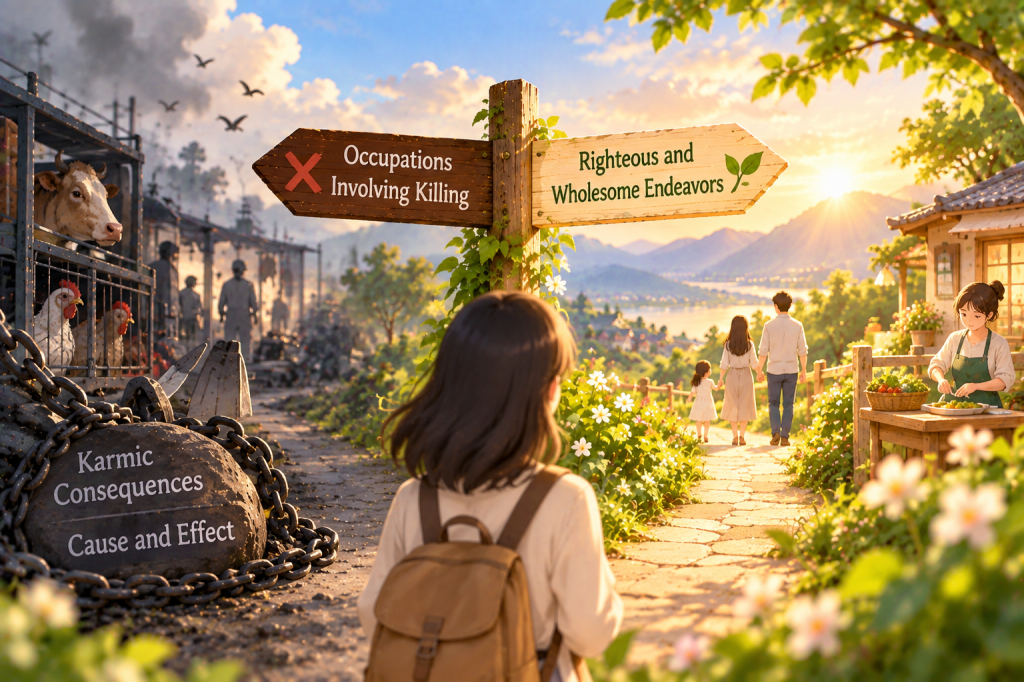
Third, and most importantly, the nature of one’s undertaking must be proper. The occupation or business we choose should follow a righteous path, and our intentions and conduct must also be upright. We should never harm the interests or well-being of others merely for our own benefit.
When it comes to what constitutes a proper occupation, however, many people have misconceptions. Some assume that anything permitted by law must therefore be proper. That is not necessarily so from the Buddhist perspective.
Take, for example, businesses involving the sale of live animals for food and the slaughtering of animals. Although such businesses may be permitted under national law, from the Buddhist perspective they cannot truly be regarded as proper livelihoods because they involve extensive killing. Such actions are believed to affect the karmic consequences one experiences in this life and in future lives.
This is not regarded in Buddhism merely as superstition, but as a matter of cause and effect. The Buddha taught that all living beings are equal. Pigs, dogs, cattle, sheep, fish, shrimp, birds, and other animals are all living beings. They too can experience pain and fear; they struggle, cry out, and try to escape suffering.
If our accumulation of wealth is built upon the suffering and cries of countless living beings, how can we assume that we ourselves will remain entirely untouched by the consequences? In ordinary language, one might ask, “Where would justice under Heaven be?” From the perspective of Buddhist teachings, the question is one of cause and effect.
If we observe carefully, we may see people who accumulated wealth through businesses involving the killing of living beings but later lost much of that wealth through illness, accidents, or other misfortunes.
I once knew the owner of a pharmacy whose business had initially been doing quite well. Several years later, however, the pharmacy was shut down following an investigation, leaving the owner owing substantial sums of money to various sales representatives. Whatever could be removed from the store was taken away.
Not long afterward, the owner passed away before reaching the age of sixty. His wife spent several years moving from place to place before eventually finding work as a caregiver, which barely provided her with enough to live on. Even then, she was afraid to let others know where she was. Their son was also imprisoned for several years because of debts involving high-interest loans and other problems.
I wondered how a family that had once operated a seemingly successful pharmacy could have fallen into such circumstances. Later, I heard that the elderly couple had worked as pig slaughterers in their earlier years. After saving several hundred thousand yuan, they left that business and opened the pharmacy. Their son, however, lived extravagantly, quickly squandered the family’s savings, and accumulated high-interest debt. In the end, a once-established family fell apart.
I also knew of someone who had worked in the fishing industry for more than twenty years. His daughter developed an unusual illness that severely affected her mental functioning. The family spent a great deal of money seeking treatment, but her condition did not improve. Later, the man himself became seriously ill, and the family eventually exhausted all of its savings.
If we pay attention, we may encounter many stories of this kind.
Many people wonder why so many unfortunate things happen in life. From the Buddhist perspective presented here, apart from the effects of harmful causes created in previous lives ripening in this life, some suffering may also be related to unwholesome karma created through our present actions.
The Mangala Sutta (Discourse on Blessings) teaches:
“To engage in occupations that cause no harm—this is the greatest blessing.”
Therefore, for the well-being and peace of ourselves and our families, we should stay away from occupations involving killing. From this Buddhist perspective, wealth accumulated through the taking of life is among the most troubling forms of improperly acquired wealth. The more such wealth is accumulated, the heavier the corresponding karmic consequences may become, for causes bring corresponding effects, and no one can ultimately escape the workings of cause and effect.
Therefore, if we wish to prosper, we should apply our diligence, abilities, and talents to righteous and wholesome endeavors. Wealth acquired in this manner can truly be used for our benefit without becoming a source of calamity.
As the saying goes, “Great virtue carries great responsibility and abundance.”
Virtue refers to morality, character, self-cultivation, and integrity. Material possessions include money, wealth, influence, and the conditions of our lives. Position refers to status, authority, office, and power.
We should therefore guard our minds and uphold virtue. We must never allow greed to drive us into reckless conduct. If one possesses little virtue yet seeks an exalted position, has limited wisdom yet attempts enormous undertakings, has little strength yet tries to bear an overwhelming burden, or possesses insufficient ability yet seeks great responsibilities—how could such imbalance not eventually bring trouble?
True prosperity, therefore, is not simply about how much wealth we accumulate. What matters equally is how that wealth is obtained, what causes we create in obtaining it, and whether we can enjoy it with a clear and peaceful conscience.
“In a dispute about right and wrong, there is nothing worse than to stick to one’s position and continue arguing, thus compounding one’s wrong and finally getting into trouble. For this reason, one should not let oneself be overwhelmed by disputes.”
The meaning is that matters of right and wrong are not something we should become attached to. Attachment to them can only bring harm, misfortune, and even calamity. Therefore, when we encounter disputes over right and wrong, we must not become attached to them.
When such disputes arise, let others debate among themselves. Let them say whatever they wish to say. Otherwise, once we become entangled in disputes over right and wrong, arguments will inevitably follow. People will try to determine who is telling the truth and who is not, who is right and who is wrong, and this can lead to verbal conflict.
Moreover, neither side is usually willing to concede. Each side believes that it is right. In the end, after a great deal of time and energy has been wasted, the question of who is right and who is wrong may still remain unresolved. Instead, the situation may continue to escalate, relationships may deteriorate, and conflicts between people may become increasingly complicated. Eventually, this can lead to serious trouble and, in extreme cases, even violence, loss of life, and other calamities.
Therefore, once we understand that we should not become attached to matters of right and wrong, we should not keep such matters in our hearts when we encounter them. As time passes, the disputes will naturally and gradually fade away, because their very nature is impermanent. Thus, when confronted with matters of right and wrong, not holding them in our hearts benefits both ourselves and others.
The Story of Two Tigers and a Cunning Fox
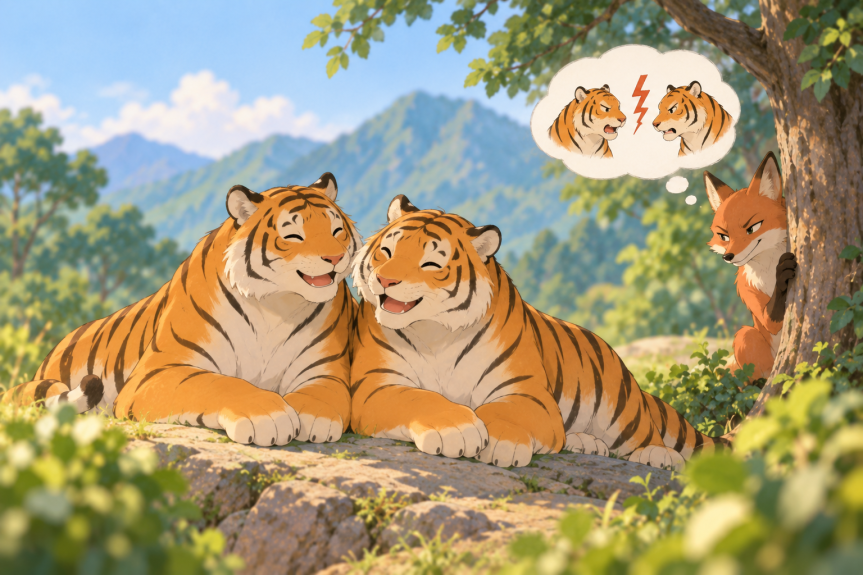
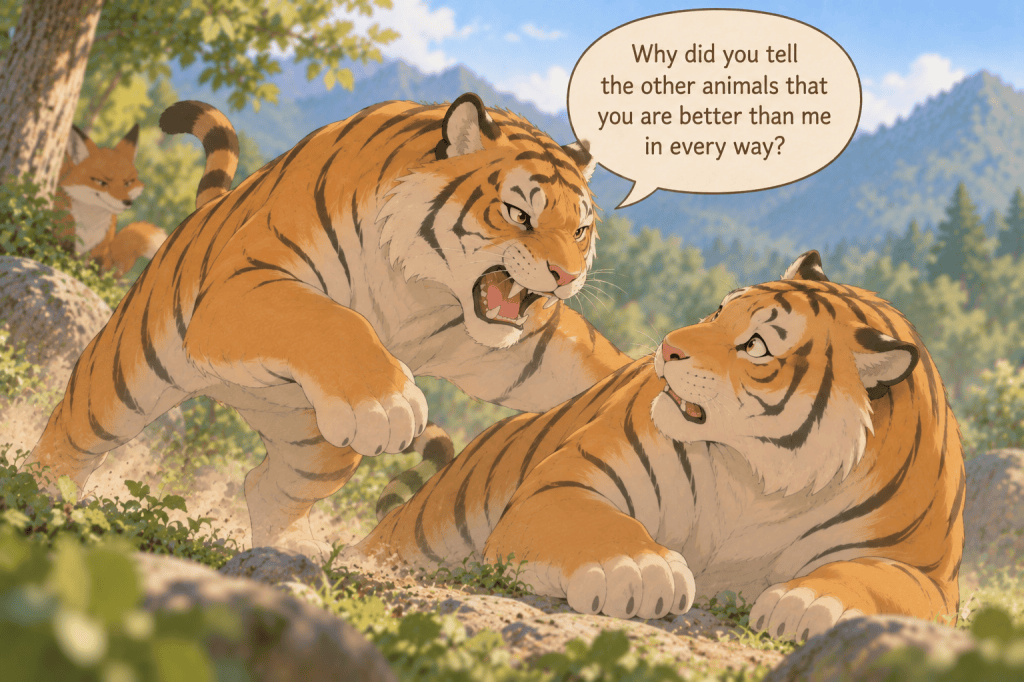
There is a story about two fierce tigers named Shanya and Shanbo who lived deep in the mountains long ago. The two tigers were good friends and lived together in harmony.
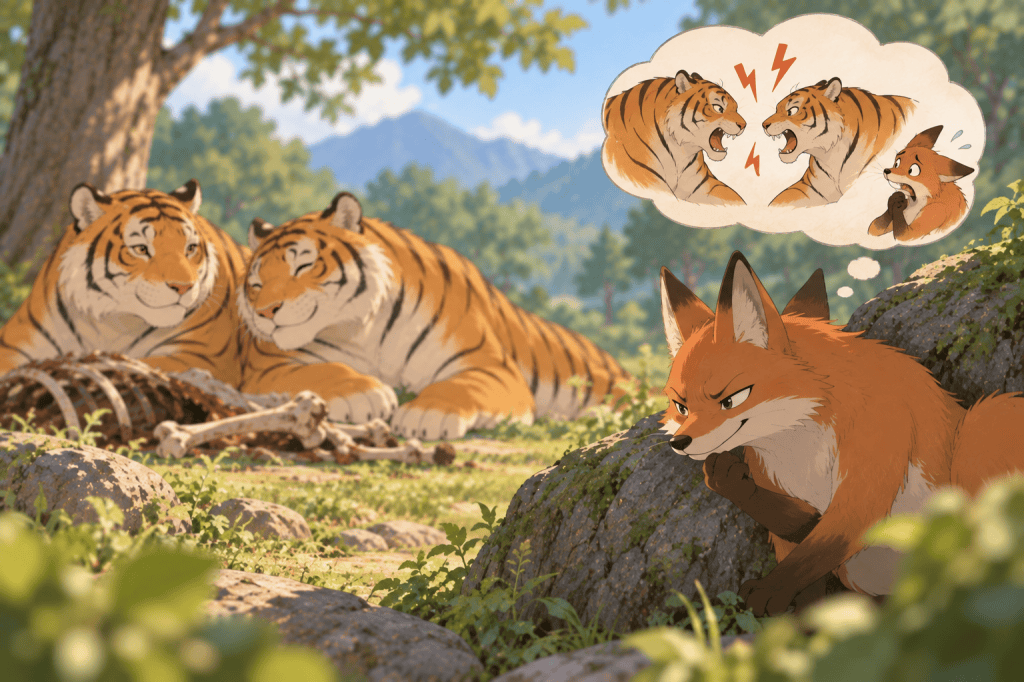
There was also a cunning fox that was lazy, greedy, and deceitful. It survived by scavenging the remains of the prey left behind by the two tigers and followed them around every day.
Although the fox depended on the two tigers for survival, it was also extremely afraid of them. It worried that one day, if the tigers failed to catch any prey, they might turn against it, and its very life could be in danger. The fox therefore devised a scheme to sow discord between the two tigers.
Because of the fox’s instigation, the next time the two tigers met, Shanya attacked Shanbo first.
Shanbo did not immediately fight back. Instead, he chose to retreat.
As Shanya continued attacking, he angrily rebuked Shanbo:
“Why did you tell the other animals that you are better than me in every way?”
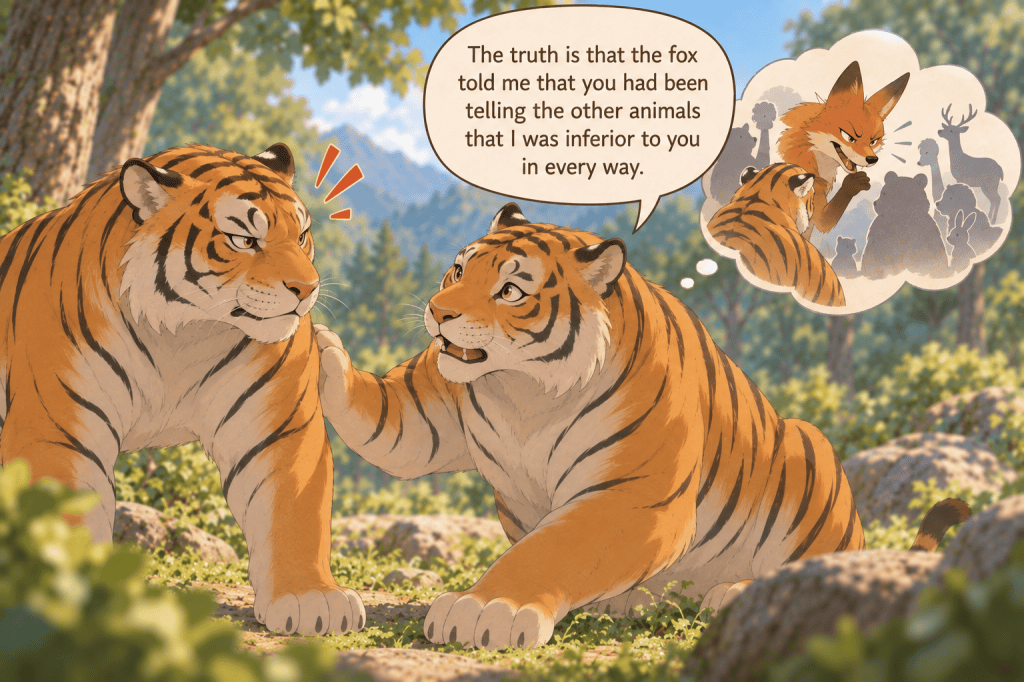
Upon hearing this, Shanbo realized that something was wrong. He urged Shanya to calm down and explained:
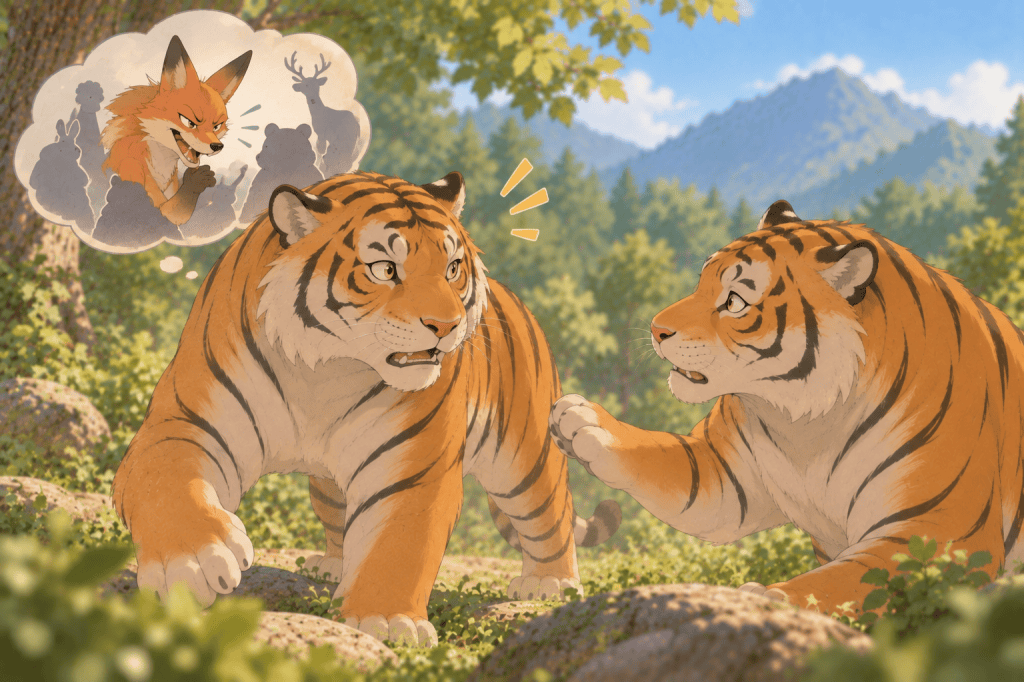
“The truth is that the fox told me that you had been telling the other animals that I was inferior to you in every way.”
When Shanya heard this, he too realized that something was amiss. He immediately stopped fighting.
The two tigers resolved their misunderstanding and reconciled. From that time onward, they once again lived together peacefully, and tranquility returned to the forest.
The Lesson of the Story
This story teaches us not to readily believe rumors, become attached to disputes over right and wrong, or act impulsively without first understanding the situation. Had Shanbo immediately fought back instead of remaining calm, the fox’s deception could have led to serious consequences.
In our own lives, becoming entangled in arguments over who is right and who is wrong can consume our time and energy, damage relationships, and cause conflicts to escalate. Sometimes, the more we try to prove ourselves right, the more deeply we become entangled in the dispute.
Once we understand that matters of right and wrong are impermanent, we can learn not to let them occupy our hearts. When we refuse to be drawn into unnecessary disputes, they may gradually fade away. In this way, letting go of attachment to right and wrong benefits both ourselves and others.
Small animals are among the most vulnerable living beings around us. They need our care and protection, and every life deserves to be respected. So, what can we do to better care for and protect animals?
1. Do Not Abuse Animals
Animal abuse is unethical. It not only causes physical harm and suffering to animals but can also negatively affect our own hearts and minds. We should respect all life, treat animals with kindness, and never abuse or harm them.
2. Protect the Environment
The natural environment is the home on which animals depend for survival. We should each do our part to protect the environment, reduce pollution, and provide animals with a safe and healthy habitat.
For example, we can reduce our use of plastic bags, disposable tableware, and other single-use products, while choosing more environmentally friendly ways to travel whenever possible.
3. Care About Animal Welfare
Animal welfare refers to the basic well-being that animals should enjoy in their lives. We should pay attention to their living conditions, respect their natural habits and behaviors, and refrain from arbitrarily hunting, capturing, or trading wild animals. We should also avoid unnecessary interference that may cause animals harm or distress.
4. Adopt Instead of Buying
When considering bringing a pet into our lives, we should consider adoption from a reputable animal shelter or rescue organization and give special care to animals that are sick, vulnerable, or have suffered abuse.
We should also support the rescue and adoption of stray and homeless animals, giving them the opportunity to find a safe, loving, and warm home.
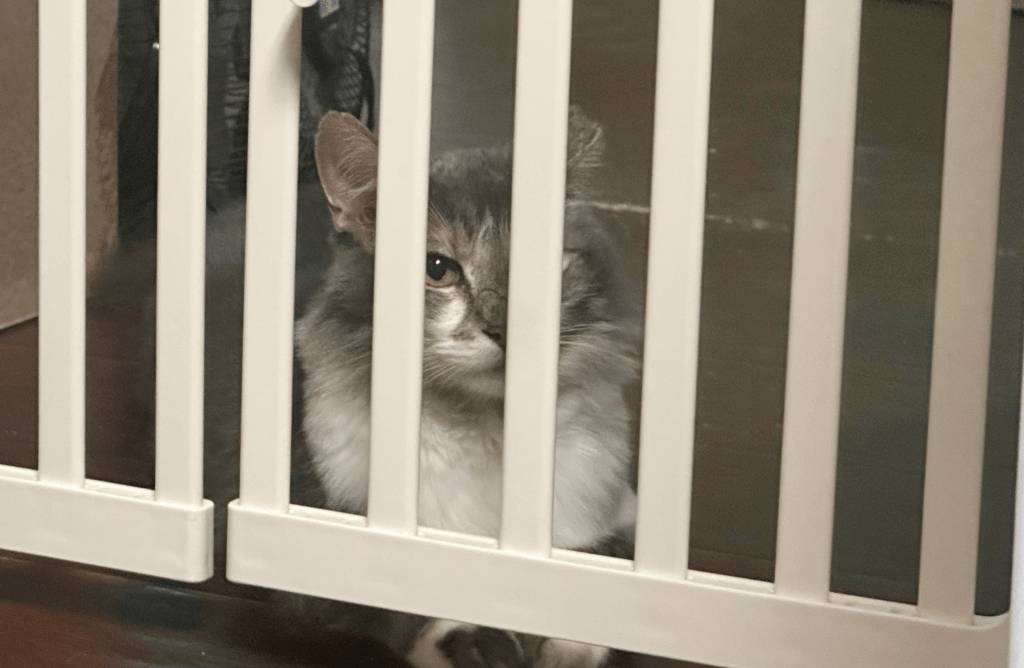
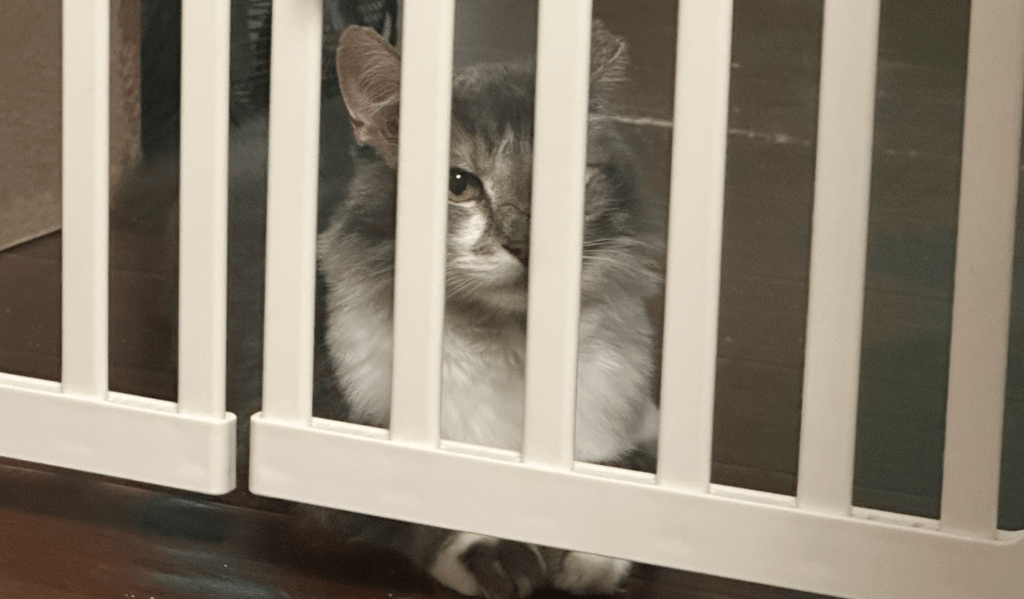
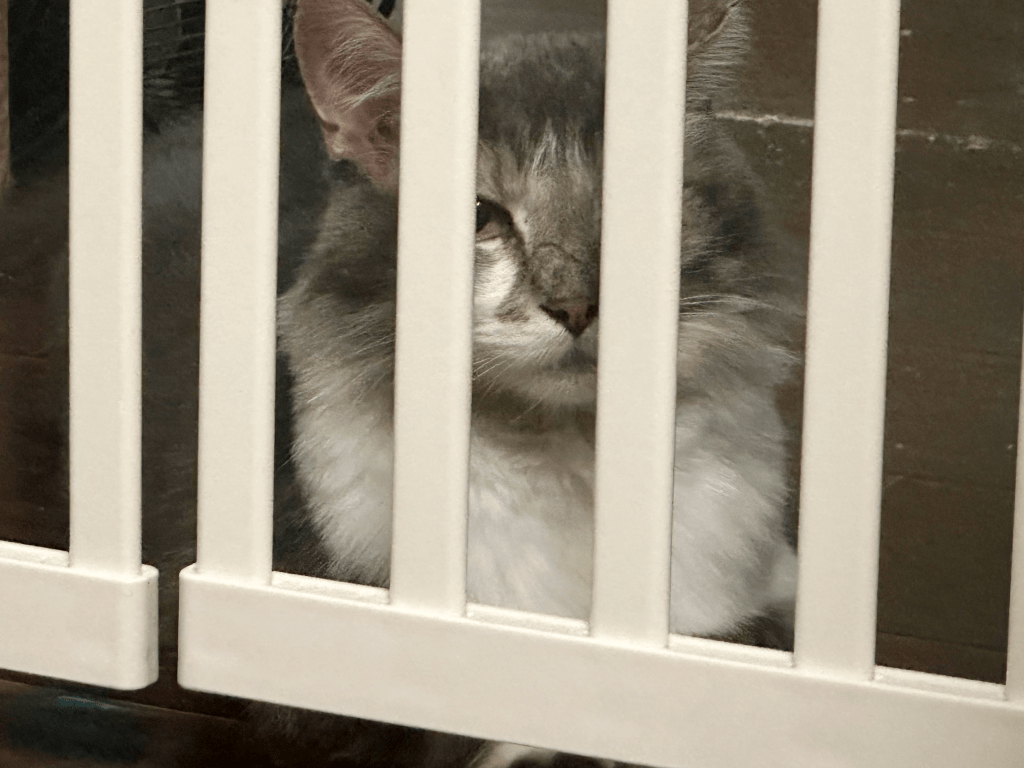
I don’t think I’ve ever seen such a complicated expression on a cat’s face before. It wasn’t just jealousy — it was sadness, disappointment, and the tiniest bit of “how could you?” all mixed together.
The possum is happily munching away, completely oblivious, and meanwhile my cat is sitting in the corner like: “Wow… I thought I was your favorite. Guess I was wrong.”
I swear, the look cut deeper than claws. If guilt trips were an Olympic sport, my cat would take gold. 🐱🥺🦝
Cats really are just like babies — gotta love them. 💖
Ariana Madix and her dog, Mya Moon. Credit : ASPCA
A new animal lover has entered the ASPCA villa.
On Aug 22, the ASPCA announced that Ariana Madix has joined the animal welfare organization’s Rescue Effect campaign, created to help promote pet adoption from local rescues and shelters.
Madix, a proud rescue parent herself, will be adding a boost of attention to adoptable pets nationwide by promoting the Rescue Effect campaign on her social media channels from now through October.
“When you visit a shelter, you’ll see so many wonderful animals just waiting for a second chance,” the Love Island USA host said in a statement. “Choosing to adopt even one pet creates a ripple — not just for that animal, but for others who now have a better chance at finding a home, too.”
The Rescue Effect campaign and Madix’s support come at a critical time. According to the ASPCA, nearly 6 million dogs and cats entered shelters and rescues in 2024. Unfortunately, many of these rescue pets, especially dogs, are staying in shelters longer, putting more strain on shelters’ already limited resources, and leaving less room for other animals in need.
For those who can’t adopt a pet. Madix and the ASPCA encourage them to consider fostering, which gives rescue pets time out of the stressful shelter environment and frees up shelters to take in more animals who need care.
Ariana Madix and her cat, Kitty. Credit: ASPCA
Madix also wants people to foster or adopt a pet in the next few months, because she knows how much love these furry friends can bring to your life. She is currently a pet mom to two adopted cuties — 18-year-old cat Kitty and 6-year-old pit bull mix Mya Moon — and has given a forever home to numerous animals throughout her life.
“Pet adoption and rescue have been important to me since I was a little kid. My mom shared my love for animals, and she gave me the instinct to help them,” the former Vanderpump Rules star said. “I want people to know there are amazing animals in shelters who match all the things they say they’re looking for — whether it be breed, size, or age. These animals do exist in shelters — just go look.”
Over 550 shelters and rescues nationwide are participating in The Rescue Effect, working with the ASPCA and Madix to promote pet adoption in hopes of reducing the time animals spend waiting for loving homes.
“We’re thrilled to have Ariana Madix join the ASPCA for The Rescue Effect and use her voice to advocate for the millions of adoptable animals in need of loving homes,” Christa Chadwick, vice president of shelter services for the ASPCA, said. “Her support will help drive national awareness of the critical role shelters and rescue groups play in saving animals’ lives — and how every adoption makes a positive, lasting impact on even more.”
Ariana Madix and Mya Moon. Credit: ASPCA
Never miss a story — sign up forPEOPLE’s free daily newsletterto stay up-to-date on the best of what PEOPLE has to offer, from celebrity news to compelling human interest stories.
Along with enlisting Madix for The Rescue Effect, the ASPCA is also providing $2 million in grant funding to more than 100 shelters for the campaign, so the shelters can waive adoption fees and cover operating costs.
For more information about the ASPCA’s Rescue Effect campaign and to find a participating shelter or rescue, visit aspca.org/therescueeffect.
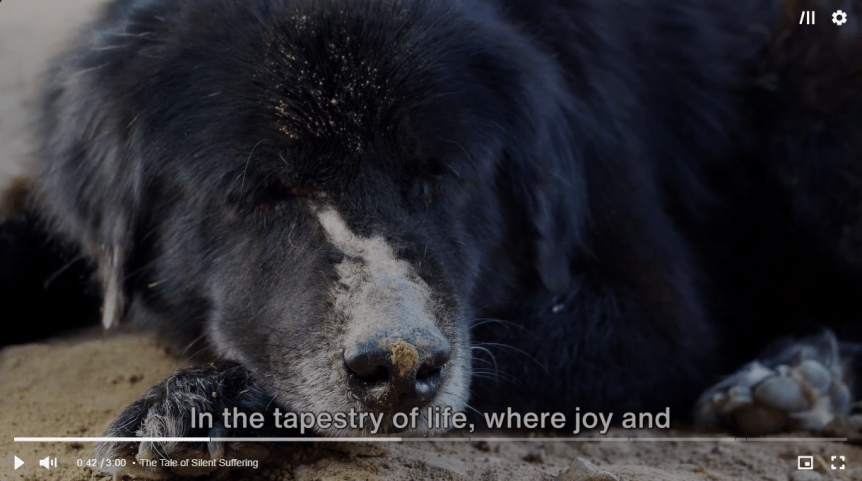
This emotional short video tells the heartbreaking story of a loyal yellow dog betrayed by the person he trusted most—his owner. From trust to abandonment in a matter of seconds, the dog’s world was shattered. Dogs give us unconditional love. To them, home is everything, and you are their whole life. Please, never abandon them—choose compassion, choose loyalty, and give them a forever home. 🐾 End abandonment. Choose love. Save lives.
In the tapestry of life, where joy and sorrow intertwine, there’s a chapter that often goes unnoticed—a tale of silent suffering, of those who once knew the warmth of a home but were left to brave the world alone. This is the story of abandoned pets.
When you abandon your furry friend, you’re not just leaving them behind; you’re sentencing them to a life of anguish, fear, and heartbreaking solitude.
Imagine the confusion in their eyes, the ache in their hearts, as they wait for a familiar face that never returns. Abandonment is not just an act; it’s a cruelty that cuts deep into the very essence of trust and love.
Is it worth it? Is the temporary relief worth the enduring suffering that your once-beloved companion faces? Open your hearts and reconsider. They deserve more – more than the cold streets, more than the fear, more than the constant disappointment of being left behind.”
There’s a choice, a better way—a way that safeguards the bond you once cherished. Instead of turning your back, turn towards responsible and compassionate alternatives.
If circumstances are tough, reach out. Seek help from the responsible and compassionate alternatives. Find your pets another loving home that willing to provide a safe haven and a chance for a better life.
There are stories of redemption, of abandoned hearts finding solace in the arms of compassion. Be a part of that story – a story that ends with hope, not despair.
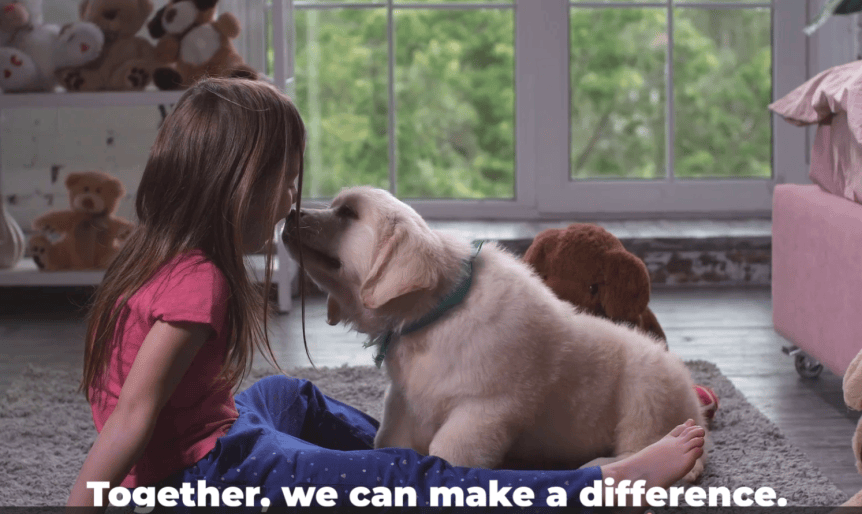
Together, we can rewrite the narrative. Say no to abandonment, say yes to compassion. Your decision can make a world of difference for those who have no voice.”
Let’s be the guardians of those who can’t speak for themselves. Choose love over abandonment. Because in the end, every wagging tail, every purr, and every joyful bark is a testament to the healing power of compassion.
Unleashing Love: The Responsibility of Being a Pet Owner
Pets – our loyal companions, our source of joy, and our family members. But being a pet owner is more than just having a cute friend. It’s a responsibility—a promise of love and care.
The bond between humans and pets is truly special. It’s a connection built on trust, companionship, and unconditional love. But this bond comes with responsibilities. Responsible pet ownership means providing proper care: regular vet check-ups, nutritious meals, exercise, and mental stimulation. It’s about showing respect and compassion towards these wonderful beings. They’re not just pets; they’re family. They deserve our love and utmost care.
Abandonment brings unimaginable suffering to our furry friends. It leaves them scared, confused, and vulnerable. Let’s make sure they never experience this pain. Creating a safe environment for our pets is crucial. It’s providing them with a loving home—a place where they feel secure and happy.
It’s not just about individual efforts. Communities play a vital role in supporting responsible pet ownership through education and awareness.
Join the Movement – Be a Responsible Pet Owner!! Let’s pledge to be responsible pet owners, to love and respect these amazing creatures who bring so much joy to our lives. Together, we can make a difference in their lives. Spread love, show responsibility, and let’s create a world where every pet is cherished and cared for.