

What Can We Reflect Upon After Reading the Story of Zen Master Hakuin?
In today’s rapidly developing age of big data, the pace of life continues to accelerate, while competition and pressure increase along with it. Driven by ever-growing greed and desires, many people resort to deception, fabrication, slander, and defamation.
So when disputes, lies, and deception actually confront us, how should we respond to them properly?
The Story of Zen Master Hakuin
There is a well-known Zen story:
Zen Master Hakuin was an eminent monk renowned for his strict observance of the precepts and was deeply respected by the people around him.

Near the temple where Zen Master Hakuin lived was a family with an unmarried daughter who became pregnant. When her parents discovered her pregnancy, they were furious and repeatedly demanded to know who the father of the child was. Under intense pressure from her parents, the daughter finally uttered the name, “Hakuin.”
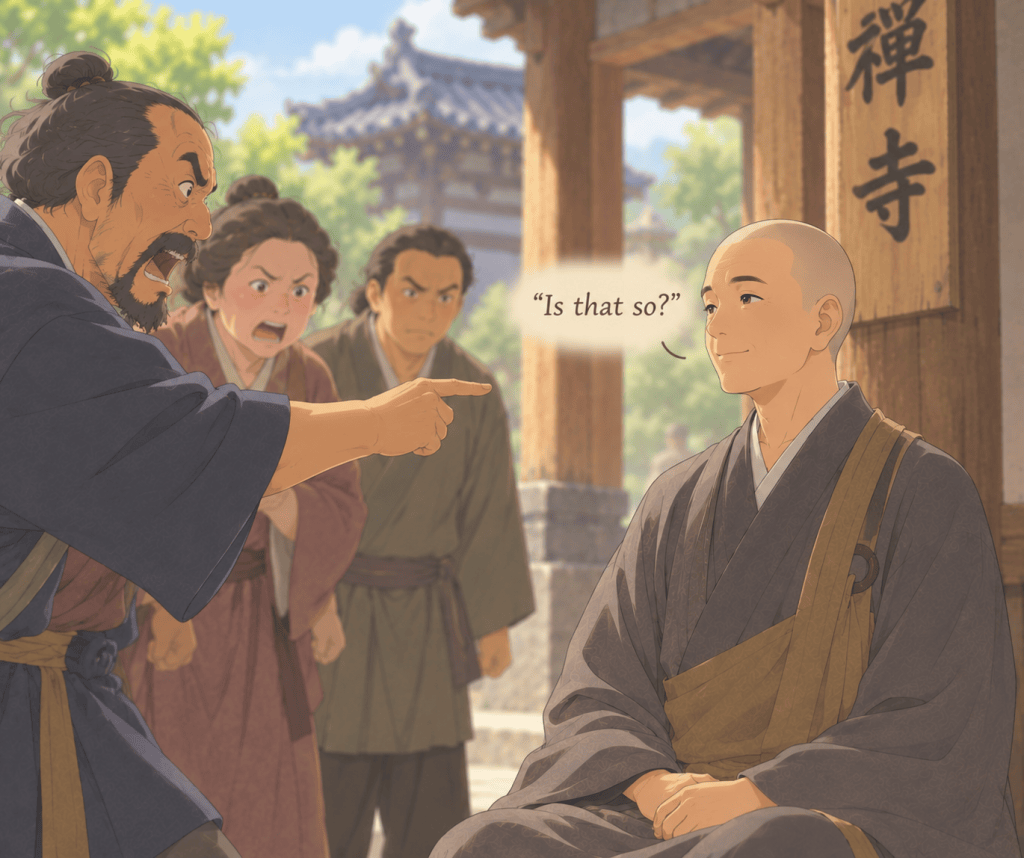
Shocked and enraged, her parents gathered a group of people and stormed into the temple. In front of everyone, they humiliated Zen Master Hakuin and even beat him.

Yet Zen Master Hakuin offered no explanation or defense. He simply responded softly:
“Is that so?”
After the baby was born, the girl’s parents carried the child to the temple, left the baby with Zen Master Hakuin, and departed while angrily cursing him.

As news of the scandal spread, public outrage erupted. People accused Zen Master Hakuin of being a hypocrite. Some spat at him, insulted him, and even threw stones at him. As the saying goes, “Good news travels slowly, but bad news travels fast.” Before long, Zen Master Hakuin’s reputation was ruined.

Yet no matter how severely he was insulted, he silently endured everything without defending himself or arguing. Every day, he carried the infant with him and went from place to place seeking milk and other necessities for the child.

Eventually, the young woman could no longer bear the guilt and condemnation weighing upon her conscience. She finally confessed the truth to her parents: the actual father of the child was a young man who sold fish.
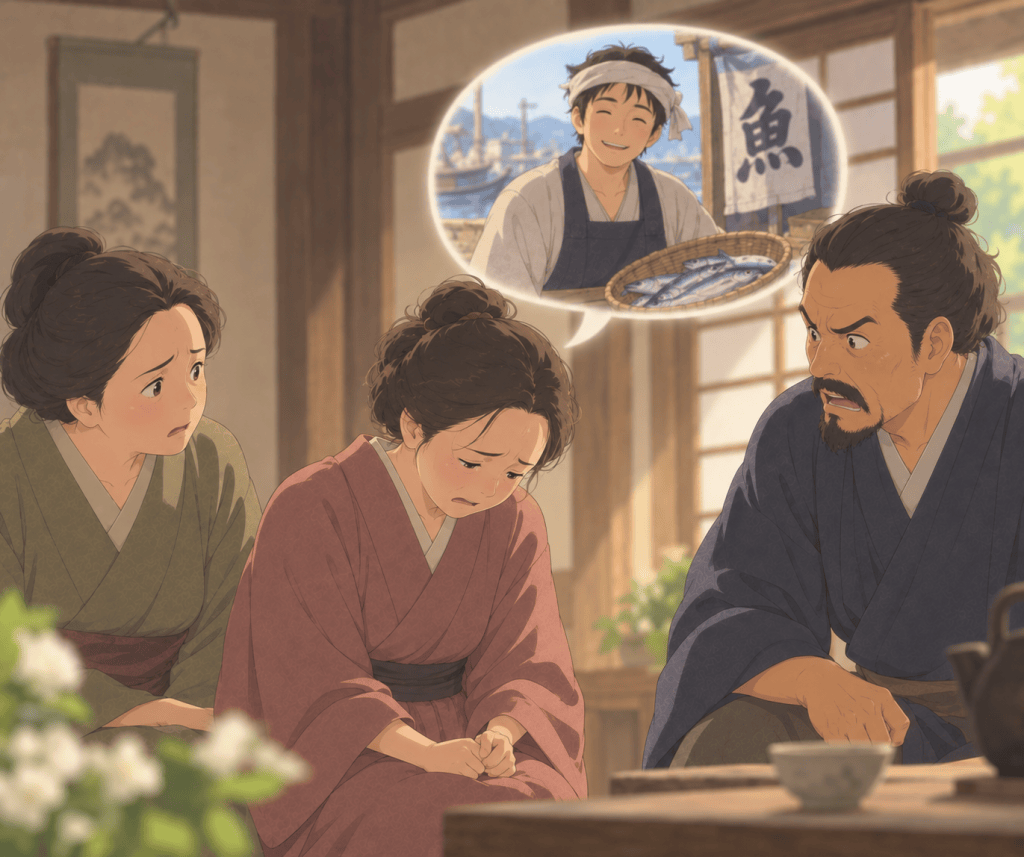
After learning the truth, the parents and their daughter went to the temple filled with profound shame and respect. They apologized to Zen Master Hakuin, expressed their remorse, and asked to take the child back.

Zen Master Hakuin remained just as composed as he had been at the beginning, as though nothing had ever happened. As he handed the child back to them, he simply said softly:
“Is that so?”

Zen Master Hakuin was indeed an eminent monk of genuine virtue. When he was falsely accused, personally humiliated, condemned as though he had committed an unforgivable offense, and stripped of his reputation, he neither defended himself nor argued or tried to justify himself. Instead, he continued to place the well-being of living beings before himself.
Amid insults, humiliation, and condemnation, he continued to care attentively for the child. Throughout the entire ordeal, he maintained compassion and patiently endured the tremendous humiliation and hardship placed upon him.

What Can We Learn From This Story?
Now that the story has been told, what can we deeply reflect upon?
In Philosophical Sayings on Worldly Matters, Namo H.H. Dorje Chang Buddha III taught:
In a dispute about right and wrong, there is nothing worse than to stick to one’s position and continue arguing, thus compounding one’s wrong and finally getting into trouble. For this reason, one should not let oneself be overwhelmed by disputes.
The general meaning of this teaching is that when we encounter slander or ridicule, we should not hold it in our hearts. As time passes, such disputes will naturally and gradually fade away because their very nature is impermanent. Therefore, when confronted with disputes over right and wrong, not holding them in our hearts benefits both ourselves and others.
In real life, when we actually encounter disputes, lies, slander, defamation, or other malicious tactics, if we respond with hatred, anger, insults, or emotional outbursts, ultimately we are the ones who suffer. Our anger, hatred, and verbal outbursts may not harm the other person in the slightest; the other person may even secretly take pleasure in seeing us become upset. If instead we choose retaliation, what we receive in return may simply be even stronger retaliation.
Therefore, in learning Buddhism and cultivating ourselves, we must conscientiously practice in accordance with the teachings of Namo H.H. Dorje Chang Buddha III. We should understand that all matters and phenomena are inseparable from cause and effect. We should learn to put ourselves in others’ shoes, be tolerant toward others, maintain compassion, patiently endure adversity and humiliation, and refrain from holding disputes over right and wrong in our hearts.
If we can do so, not only will we avoid being overwhelmed by pressure, conflict, and disputes, but we will also be able to temper and strengthen ourselves through difficulties and challenges.
Zen Master Hakuin provides a powerful example. Amid disputes, humiliation, and false accusations, he patiently endured and continued his cultivation. Rather than being swayed by external circumstances, his conduct revealed even more clearly the virtue and dignity of a truly eminent monk.
The path of life must be walked by each of us, one step at a time. Which path we choose to follow is ultimately our own choice.
When we can truly understand cause and effect and awaken to the truth of impermanence, we can gain deeper insight into life. In doing so, we can better make use of this precious lifetime and ultimately walk toward a life filled with happiness, brightness, and hope.
#DorjeChangBuddhaIII #Spirituality #Buddha #Buddhism
 Happy Life