
Do Not Laugh at the Dreams of Youth

Do Not Laugh at the Dreams of Youth

Recently, I happened to come across the poem Huan Xi Sha: What I Fear Most Is Being Asked About My Original Aspirations. Reading it in middle age filled me with countless emotions, and its meaning lingered deeply in my mind. It gave me the feeling that, “When I first heard these words, I did not understand their meaning; when I heard them again, I had already become the person described in them.”
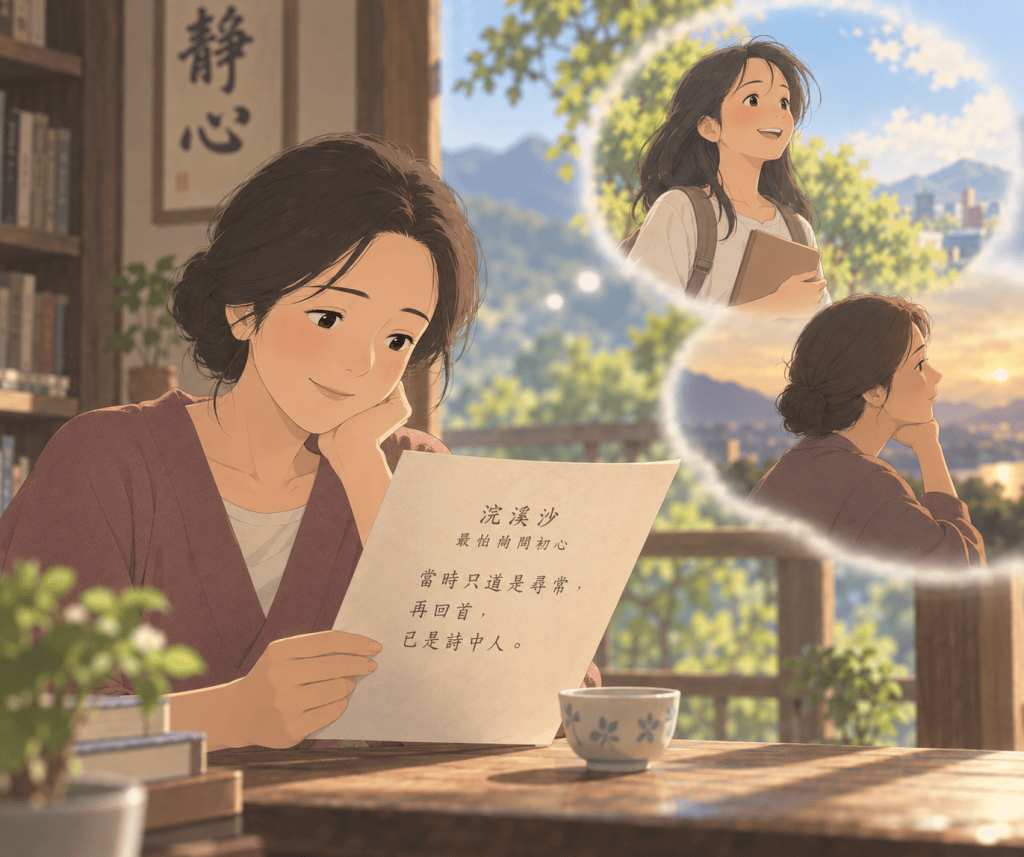
How could these few short lines not be a reflection of the life I am experiencing today?

What I fear most is being asked about my original aspirations,
Only to realize that my dreams have faded into emptiness.

In youth, I aspired to journey three thousand miles,
Yet after hesitating for a hundred steps, I had accomplished nothing.

In the blink of an eye, my parents’ hair has turned white,
While my children, still taking unsteady steps, have begun their schooling.

The need to earn a few pieces of silver hastens the passing of the years.
My heart remains young,
Yet wrinkles have quietly appeared upon my brow.

In this fleeting life, I drink and drift back into dreams.
Youth has passed, though I still feel like the person I once was.
I can only sigh at how swiftly time has flown.
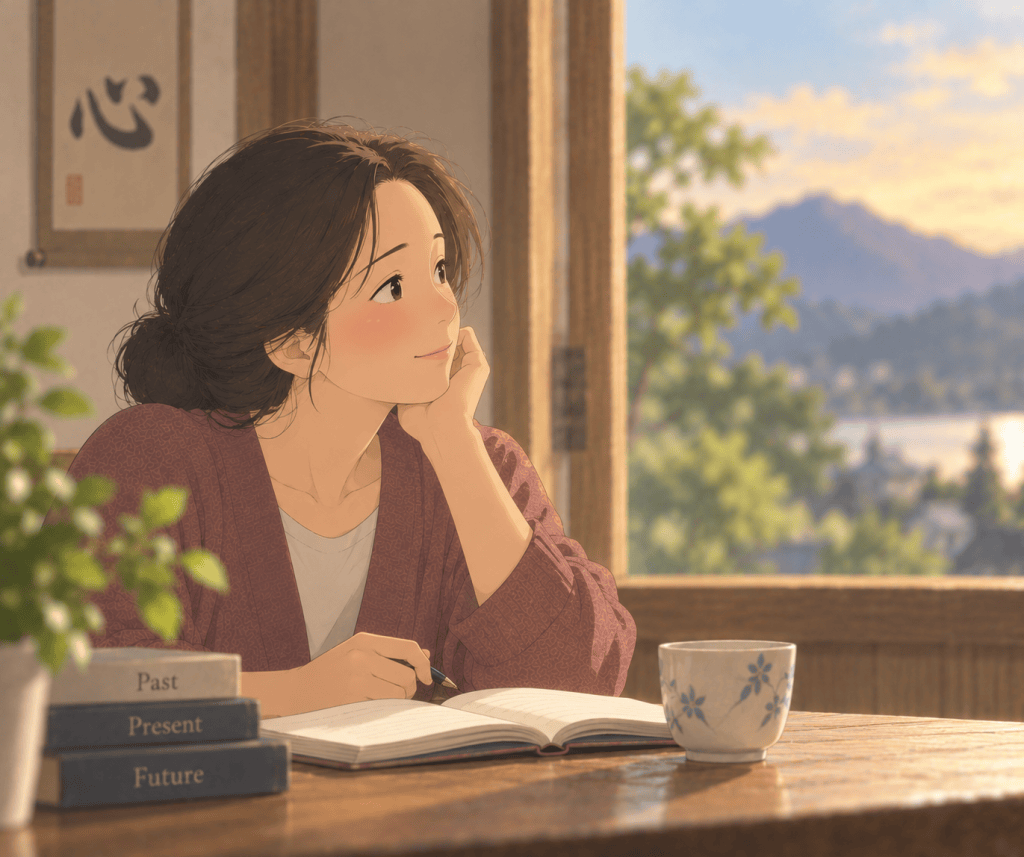
Do Not Laugh at the Dreams of Youth

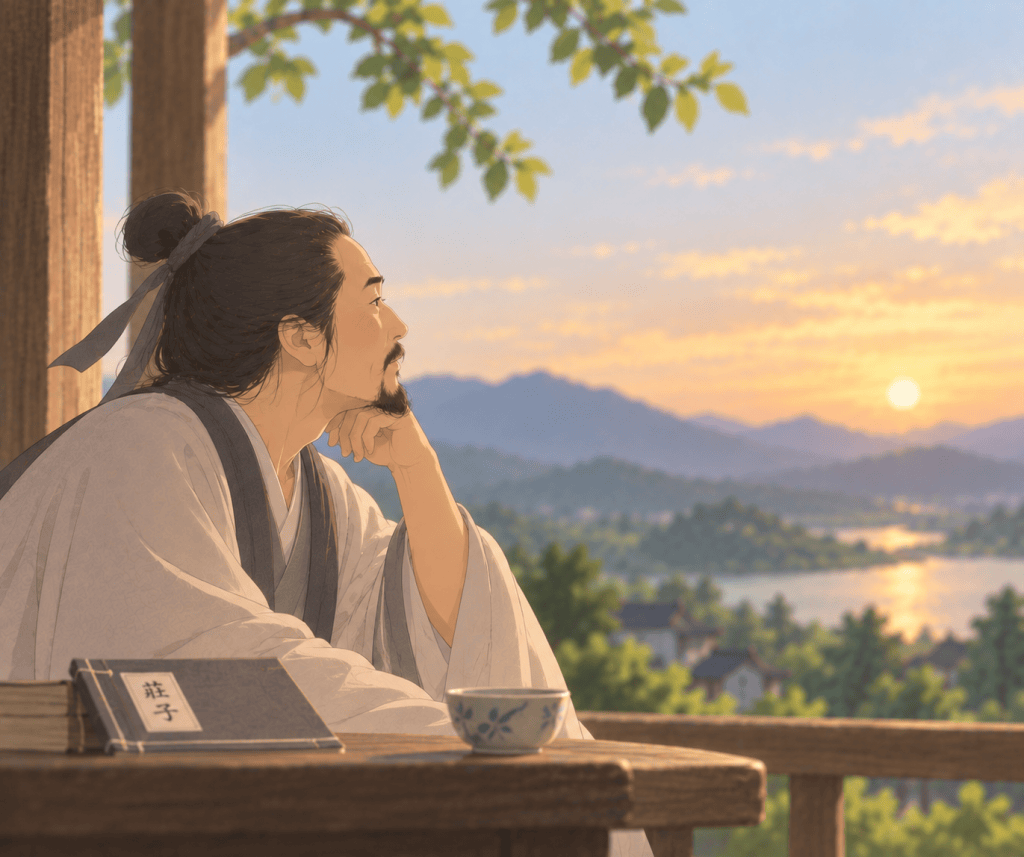
Zhuangzi said:

“A person’s life between heaven and earth is like a white colt glimpsed through a crack—it passes in an instant.”
Do Not Laugh at the Dreams of Youth

Looking back upon the road we have traveled, we realize that throughout our lives, we have grown, encountered countless people and experiences, and then bid them farewell one after another. Between flowers blooming and falling, countless beautiful moments have already become memories. Amid gains and losses, sorrow and joy, so much of the past has vanished like drifting clouds and smoke.

Do Not Laugh at the Dreams of Youth

As the saying goes:

The green mountains never grow old, yet I never find rest;
All my life, I toil simply to make a living.

After decades of wind and rain,
In the blink of an eye, we may already be buried beneath the earth.

I laugh because the green mountains never change,
The mountains laugh because I have already grown old.
Like an ox that toils into old age, never knowing a day of rest;
By the time rest finally comes, one has already been laid to rest in the mountains.
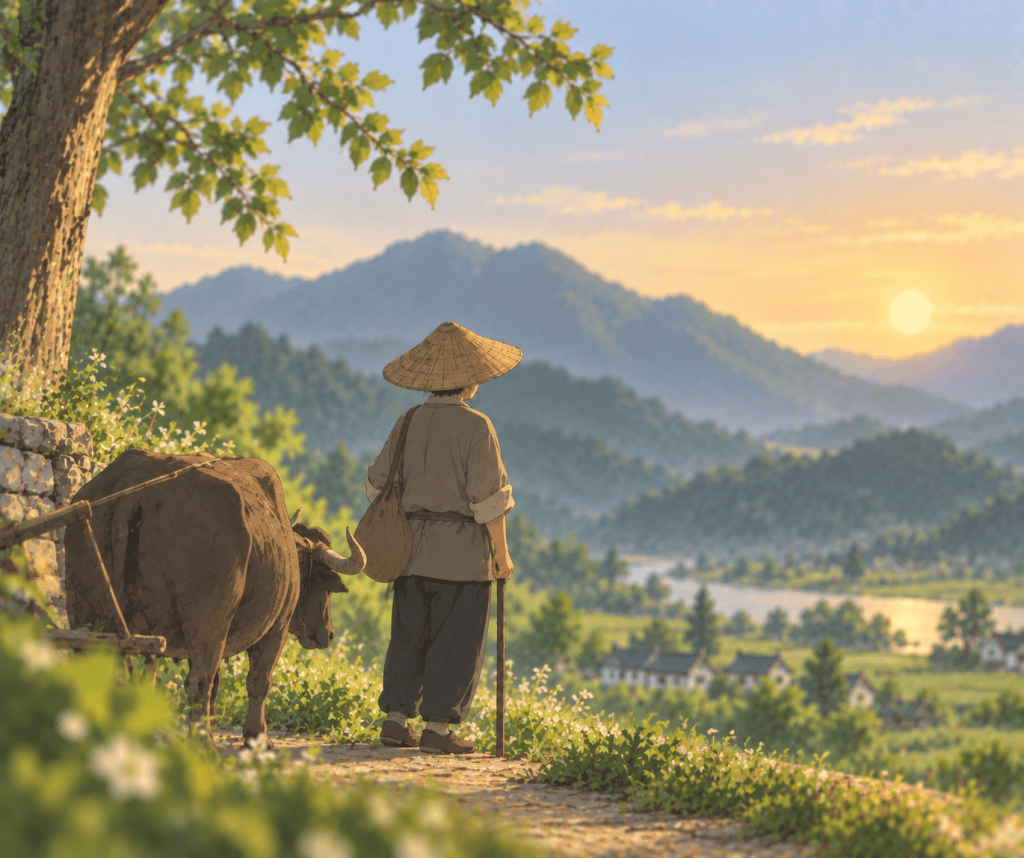
How many people have lived exactly this way, passing hurriedly through an entire lifetime burdened with regrets and helplessness?

Time always seems to slip away without our noticing, and often we realize its passing only afterward. There are things whose preciousness we understand only after we have completely lost them. Then we cannot stop thinking about them and regret that we did not cherish them when we had the chance.

But the years pass swiftly. How could time ever allow us to remain lost in a dream while our lives quietly grow shorter? Impermanence is the true nature of worldly existence. The past is like tea—only after tasting it do we come to understand how important it is to cherish the present.

Everything in this world that we have decided to do should be acted upon with determination. We should not postpone it until after we have rested for a while, until tomorrow, or until some future opportunity.

Nor should we allow a small setback to make us procrastinate day after day, sighing in discouragement, overwhelmed by worry, and losing our courage. If we allow ourselves to be completely defeated by setbacks, the undertaking can no longer succeed.

Therefore, when we encounter difficulties, we should promptly transform pessimism and negative emotions into strength—and replace hesitation with action.

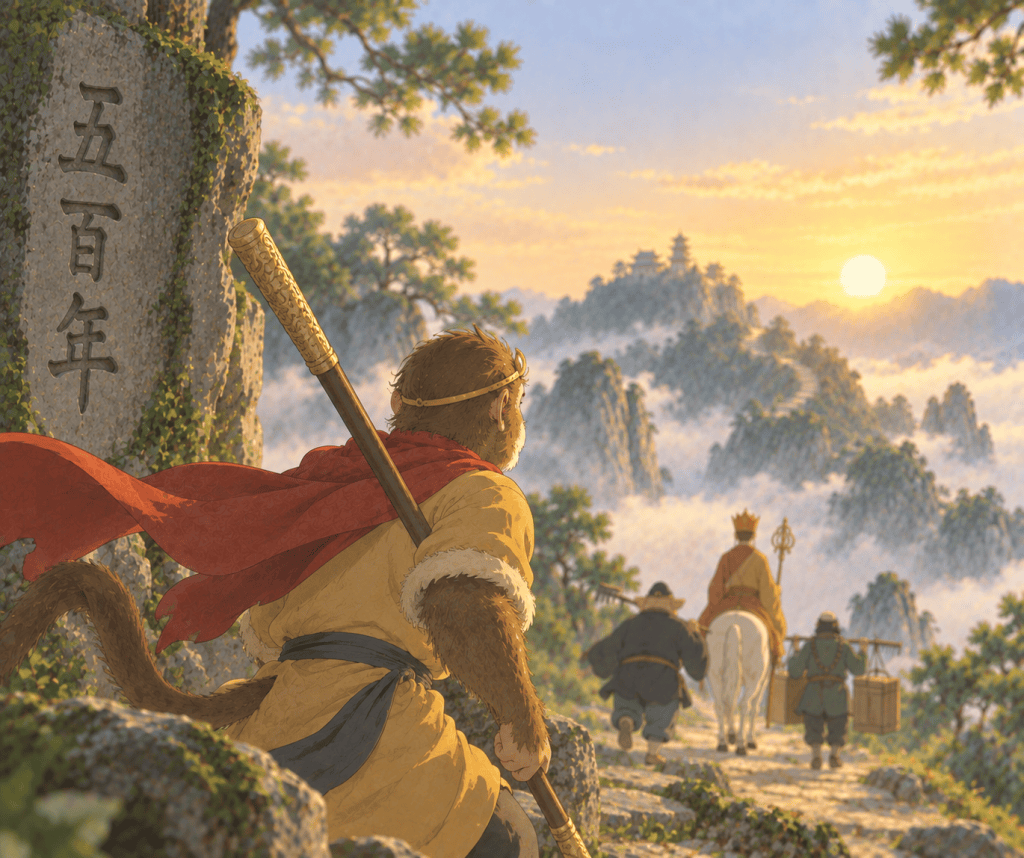
I remember that in Journey to the West, after Sun Wukong, the Monkey King, was imprisoned beneath the Five Elements Mountain, the song Five Hundred Years of Changing Seas and Mulberry Fields expressed the following idea:

Five hundred years—the seas and fields have changed places,
Even the stubborn stone has become covered with moss.
Yet one heart has never died,
Still yearning for freedom.

Even if wildfires burn,
Even if ice and snow cover the earth,
The aspiration remains unchanged,
And faith remains unshaken.

Was it not precisely because Sun Wukong endured five hundred years of hardship without allowing his determination and longing for freedom to be extinguished that he ultimately had the opportunity to embark upon the journey to obtain the Buddhist scriptures?
Namo H.H. Dorje Chang Buddha III taught:

Once you are set to achieve a goal, pursue it with doggedness and refuse to be distracted by anything deceptively attractive. A mountain climber should not stop to pick leaves and branches on the way, or he will never reach the top. This applies to everything.

The Buddha clearly teaches us here that once a person has made a specific and proper vow and established a goal, that person should strive to bring it to fulfillment and work diligently to turn that aspiration into reality. One must not become distracted by illusory circumstances encountered along the way and consequently stop moving forward.

Those who aspire to accomplish a great undertaking and ultimately reach the summit must not waste their time plucking leaves and grasping branches halfway up the mountain. Nor should they allow themselves to be detained by an illusory city, becoming content with having reached it and no longer wishing to continue.

Do Not Laugh at the Dreams of Youth

If we stop at such an illusory city, we will never accomplish our ultimate goal, nor will we ever reach the summit.

Life continually presents us with challenges, and we learn to deal with each one as it comes. The setting sun sinks into the mountains and sea; Within them lies a profound meaning.

Looking back, we may suddenly realize that, without even noticing it, we have already endured and overcome many hardships. Through them, we have become people who can gradually heal ourselves even while struggling through moments when everything seems to be falling apart.

No matter how many setbacks we encounter or how much suffering we must endure, as long as our minds do not become attached and we face circumstances with calmness and composure, even the greatest difficulties can eventually be faced and overcome.

Author: Fuyao Zhishang

Link: https://myhappylifestyle.net/2026/09/19/dorjechangbuddhaiii-do-not-laugh-at-the-dreams-of-youth/

#DorjeChangBuddhaIII #Spirituality #Buddha #Buddhism
What Can We Reflect Upon After Reading the Story of Zen Master Hakuin?

What Can We Reflect Upon After Reading the Story of Zen Master Hakuin?

In today’s rapidly developing age of big data, the pace of life continues to accelerate, while competition and pressure increase along with it. Driven by ever-growing greed and desires, many people resort to deception, fabrication, slander, and defamation.

So when disputes, lies, and deception actually confront us, how should we respond to them properly?

The Story of Zen Master Hakuin

There is a well-known Zen story:

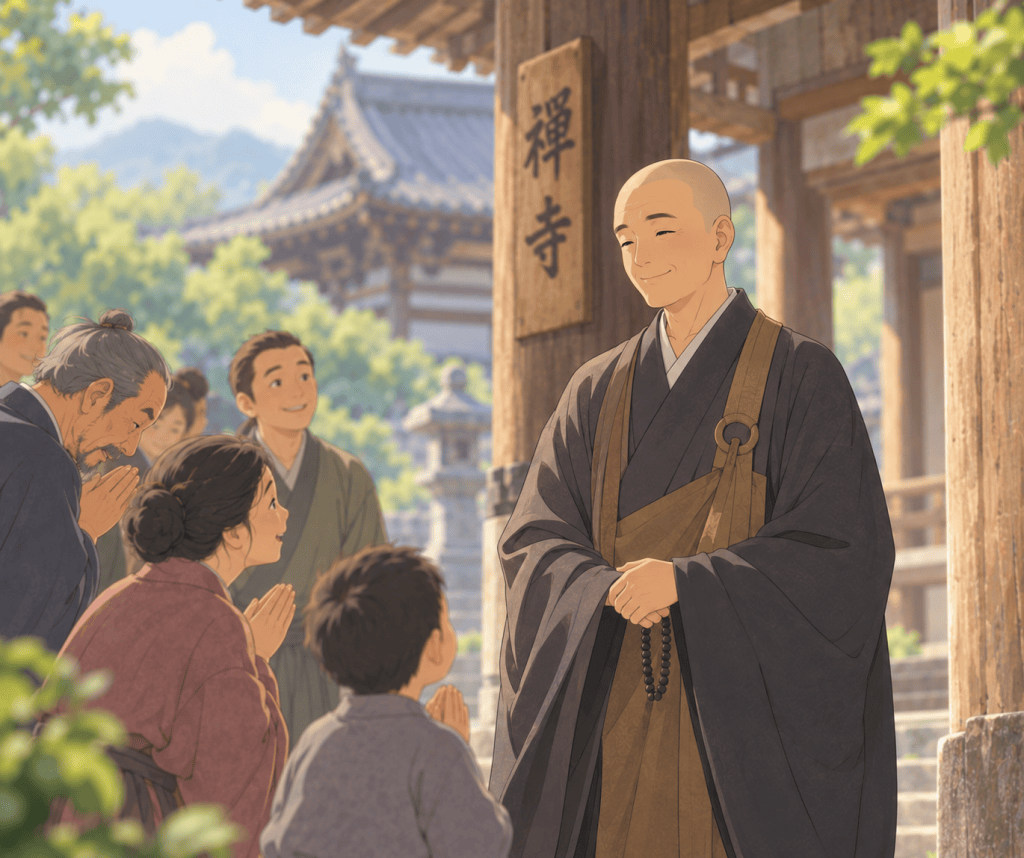
Zen Master Hakuin was an eminent monk renowned for his strict observance of the precepts and was deeply respected by the people around him.

What Can We Reflect Upon After Reading the Story of Zen Master Hakuin?

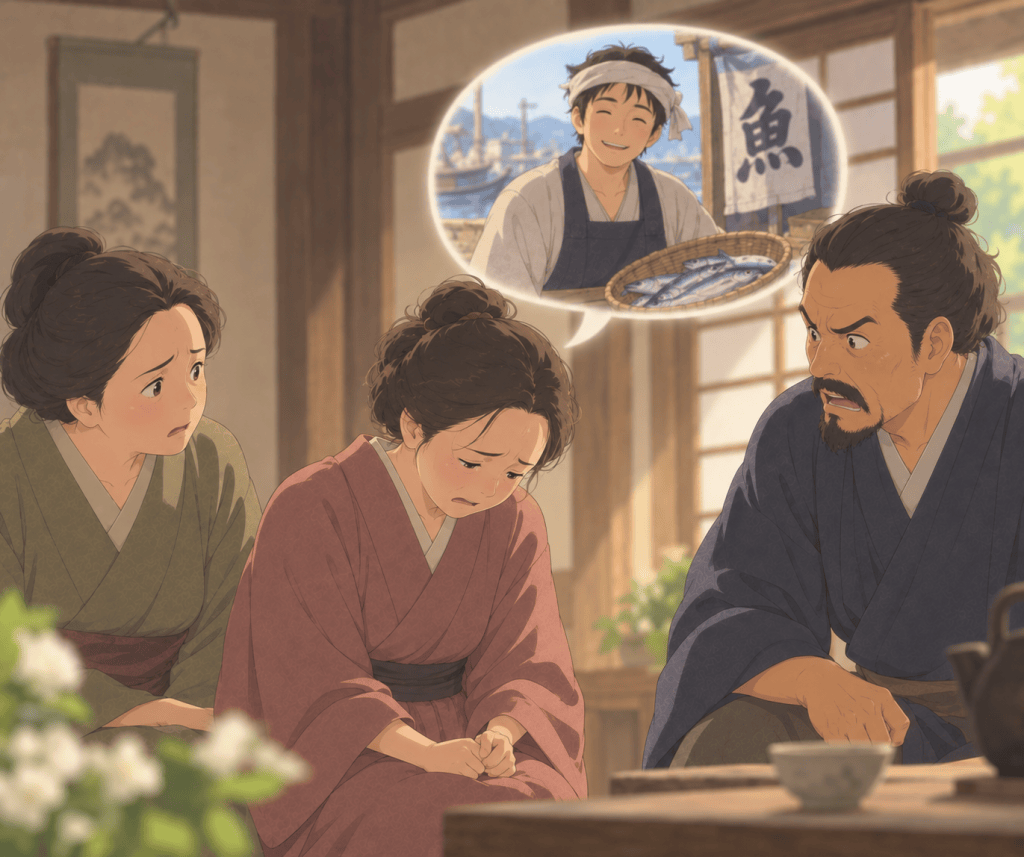
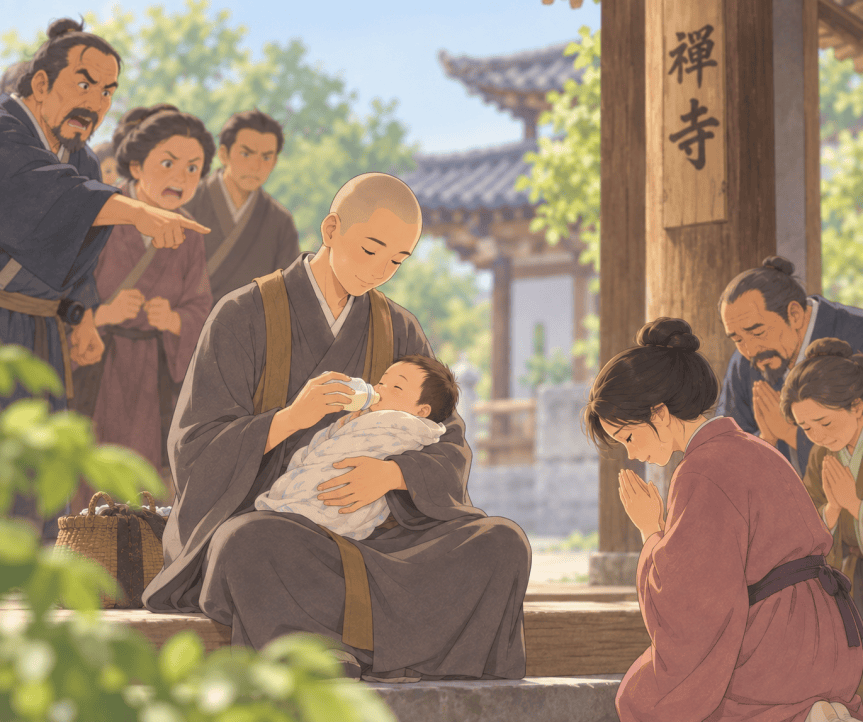
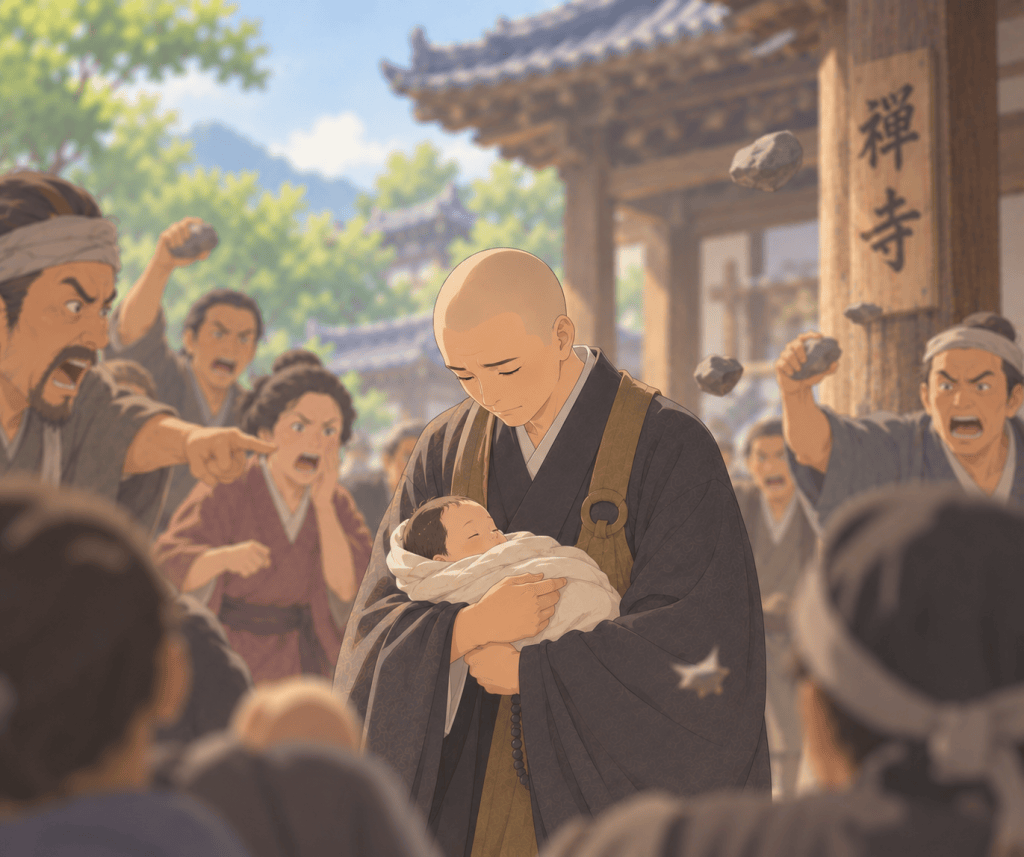
Near the temple where Zen Master Hakuin lived was a family with an unmarried daughter who became pregnant. When her parents discovered her pregnancy, they were furious and repeatedly demanded to know who the father of the child was. Under intense pressure from her parents, the daughter finally uttered the name, “Hakuin.”

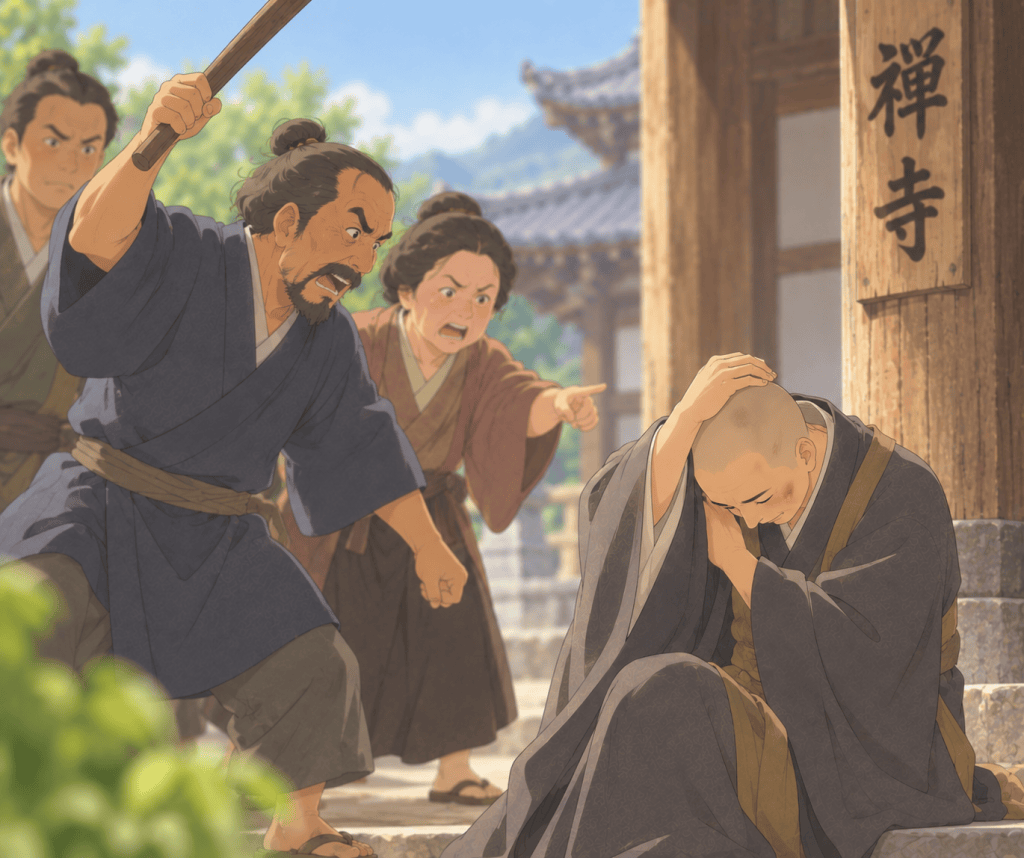
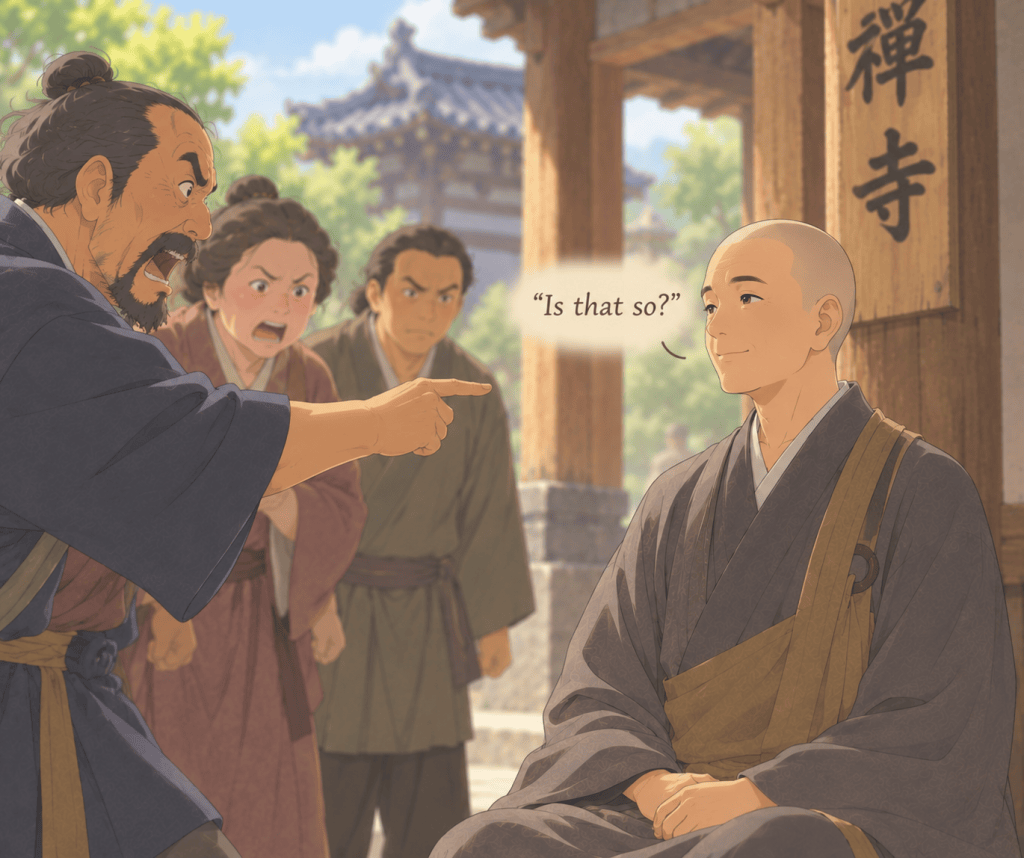
Shocked and enraged, her parents gathered a group of people and stormed into the temple. In front of everyone, they humiliated Zen Master Hakuin and even beat him.

Yet Zen Master Hakuin offered no explanation or defense. He simply responded softly:

“Is that so?”

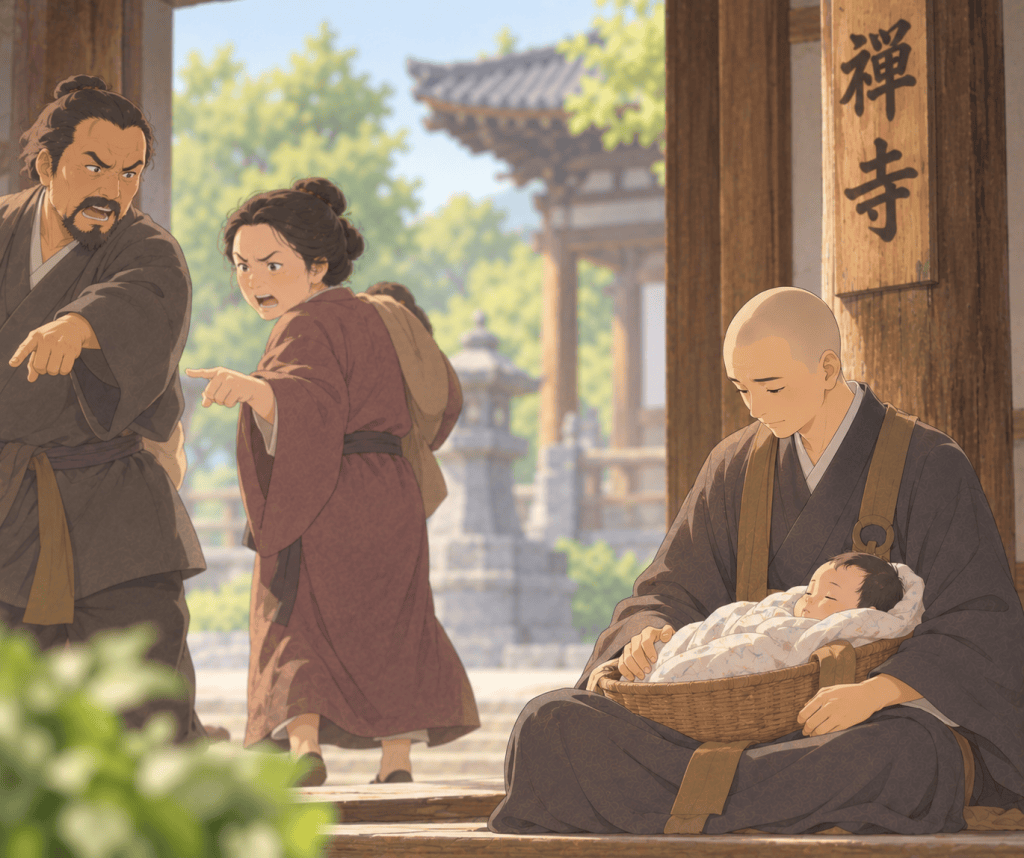
After the baby was born, the girl’s parents carried the child to the temple, left the baby with Zen Master Hakuin, and departed while angrily cursing him.

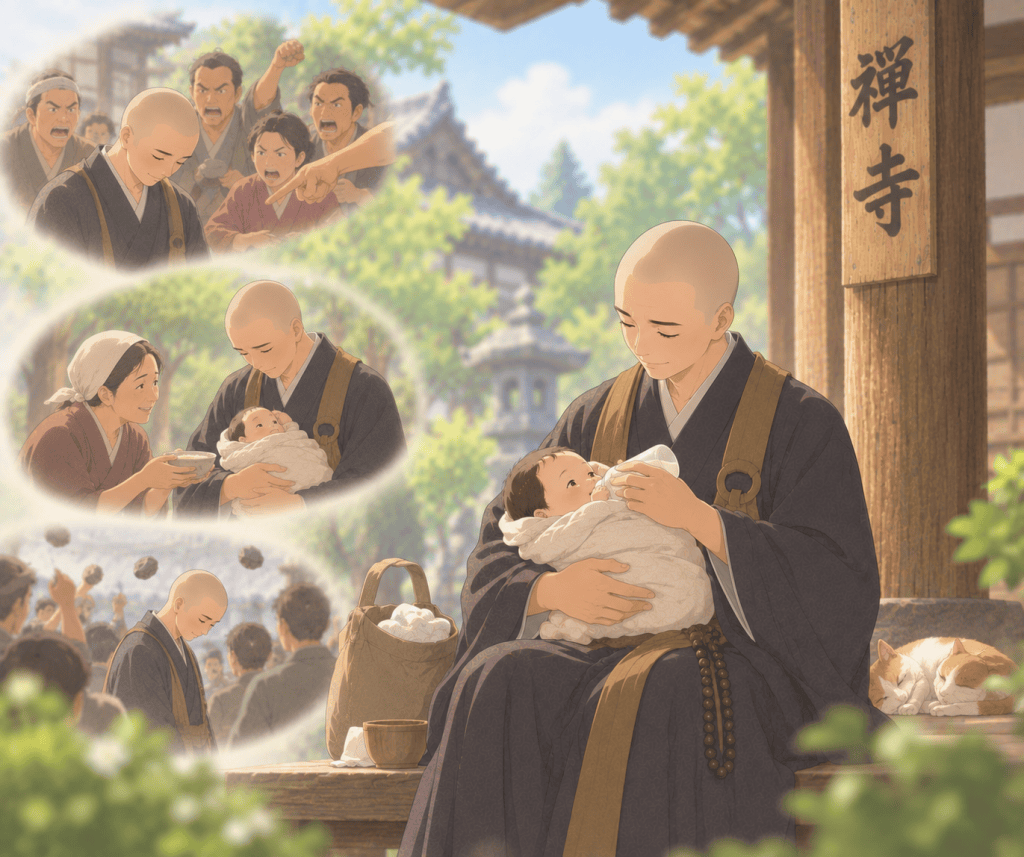
As news of the scandal spread, public outrage erupted. People accused Zen Master Hakuin of being a hypocrite. Some spat at him, insulted him, and even threw stones at him. As the saying goes, “Good news travels slowly, but bad news travels fast.” Before long, Zen Master Hakuin’s reputation was ruined.

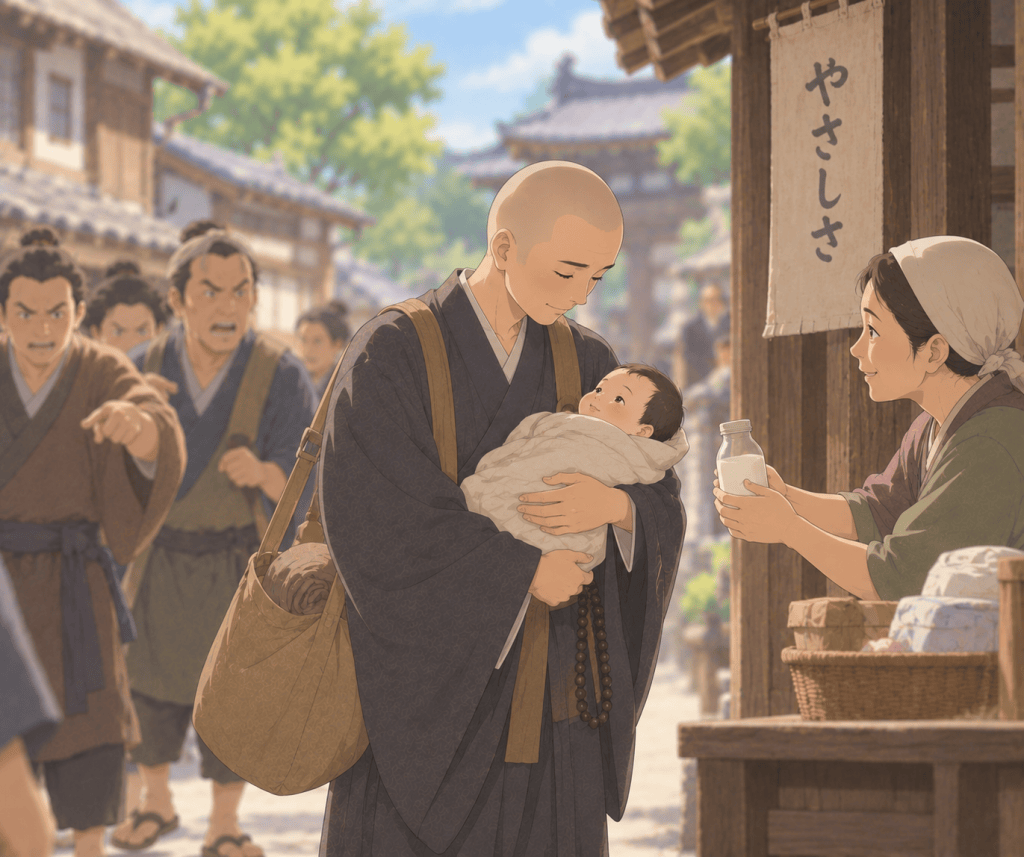
Yet no matter how severely he was insulted, he silently endured everything without defending himself or arguing. Every day, he carried the infant with him and went from place to place seeking milk and other necessities for the child.

Eventually, the young woman could no longer bear the guilt and condemnation weighing upon her conscience. She finally confessed the truth to her parents: the actual father of the child was a young man who sold fish.

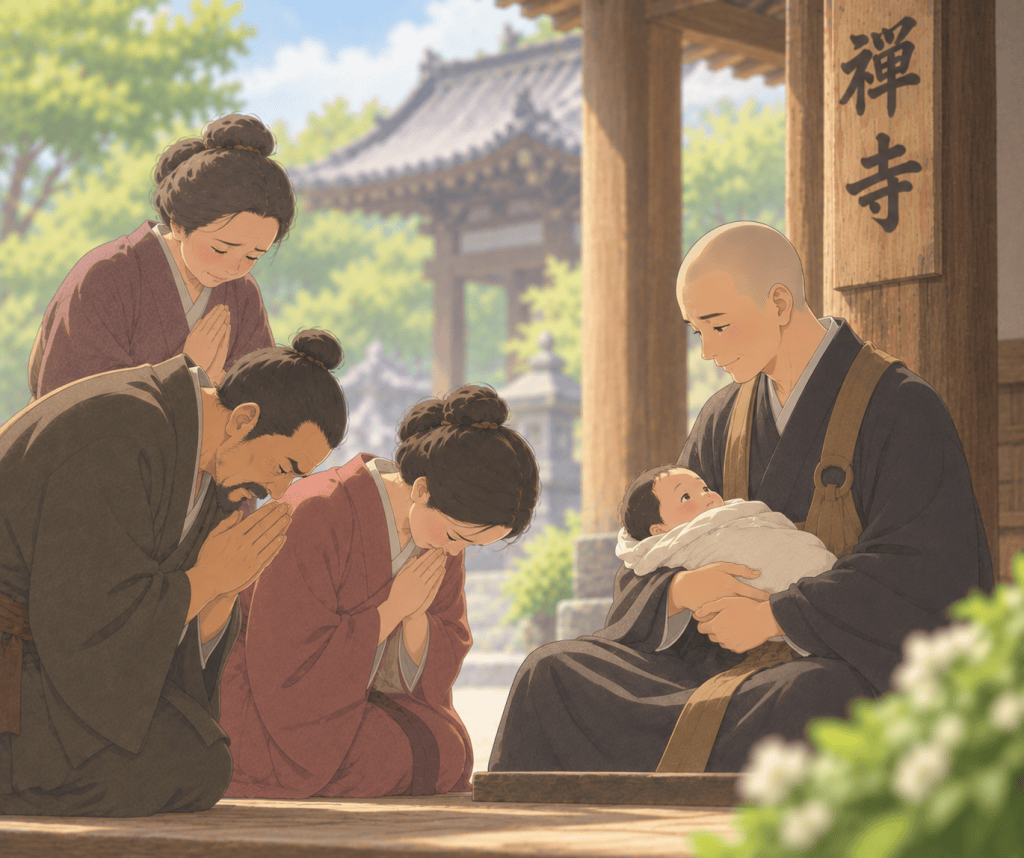
After learning the truth, the parents and their daughter went to the temple filled with profound shame and respect. They apologized to Zen Master Hakuin, expressed their remorse, and asked to take the child back.

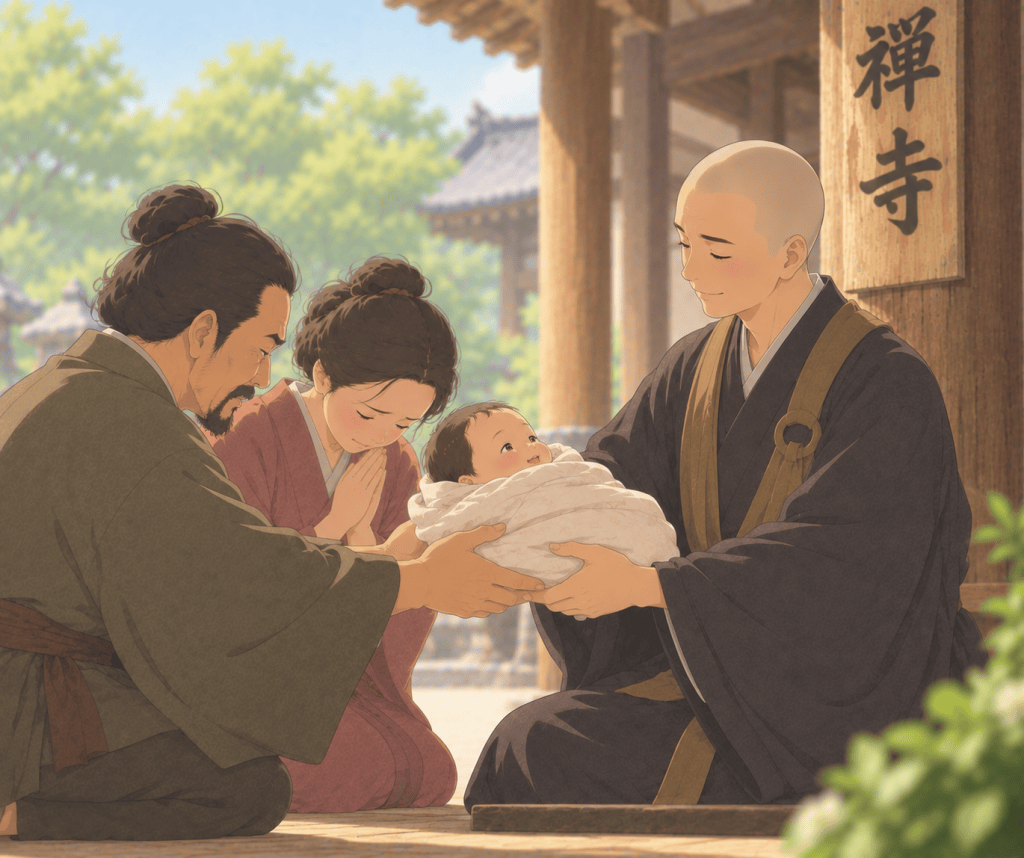
Zen Master Hakuin remained just as composed as he had been at the beginning, as though nothing had ever happened. As he handed the child back to them, he simply said softly:

“Is that so?”

Zen Master Hakuin was indeed an eminent monk of genuine virtue. When he was falsely accused, personally humiliated, condemned as though he had committed an unforgivable offense, and stripped of his reputation, he neither defended himself nor argued or tried to justify himself. Instead, he continued to place the well-being of living beings before himself.

Amid insults, humiliation, and condemnation, he continued to care attentively for the child. Throughout the entire ordeal, he maintained compassion and patiently endured the tremendous humiliation and hardship placed upon him.

What Can We Learn From This Story?

Now that the story has been told, what can we deeply reflect upon?

In Philosophical Sayings on Worldly Matters, Namo H.H. Dorje Chang Buddha III taught:

In a dispute about right and wrong, there is nothing worse than to stick to one’s position and continue arguing, thus compounding one’s wrong and finally getting into trouble. For this reason, one should not let oneself be overwhelmed by disputes.

The general meaning of this teaching is that when we encounter slander or ridicule, we should not hold it in our hearts. As time passes, such disputes will naturally and gradually fade away because their very nature is impermanent. Therefore, when confronted with disputes over right and wrong, not holding them in our hearts benefits both ourselves and others.

In real life, when we actually encounter disputes, lies, slander, defamation, or other malicious tactics, if we respond with hatred, anger, insults, or emotional outbursts, ultimately we are the ones who suffer. Our anger, hatred, and verbal outbursts may not harm the other person in the slightest; the other person may even secretly take pleasure in seeing us become upset. If instead we choose retaliation, what we receive in return may simply be even stronger retaliation.

Therefore, in learning Buddhism and cultivating ourselves, we must conscientiously practice in accordance with the teachings of Namo H.H. Dorje Chang Buddha III. We should understand that all matters and phenomena are inseparable from cause and effect. We should learn to put ourselves in others’ shoes, be tolerant toward others, maintain compassion, patiently endure adversity and humiliation, and refrain from holding disputes over right and wrong in our hearts.

If we can do so, not only will we avoid being overwhelmed by pressure, conflict, and disputes, but we will also be able to temper and strengthen ourselves through difficulties and challenges.

Zen Master Hakuin provides a powerful example. Amid disputes, humiliation, and false accusations, he patiently endured and continued his cultivation. Rather than being swayed by external circumstances, his conduct revealed even more clearly the virtue and dignity of a truly eminent monk.

The path of life must be walked by each of us, one step at a time. Which path we choose to follow is ultimately our own choice.

When we can truly understand cause and effect and awaken to the truth of impermanence, we can gain deeper insight into life. In doing so, we can better make use of this precious lifetime and ultimately walk toward a life filled with happiness, brightness, and hope.

Link: https://myhappylifestyle.net/2026/09/18/dorjechangbuddhaiii-what-can-we-reflect-upon-after-reading-the-story-of-zen-master-hakuin/

#DorjeChangBuddhaIII #Spirituality #Buddha #Buddhism
Attachment to Right and Wrong Inevitably Brings Harm

Attachment to Right and Wrong Inevitably Brings Harm

Namo H.H. Dorje Chang Buddha III taught:

“In a dispute about right and wrong, there is nothing worse than to stick to one’s position and continue arguing, thus compounding one’s wrong and finally getting into trouble. For this reason, one should not let oneself be overwhelmed by disputes.”

The meaning is that matters of right and wrong are not something we should become attached to. Attachment to them can only bring harm, misfortune, and even calamity. Therefore, when we encounter disputes over right and wrong, we must not become attached to them.

When such disputes arise, let others debate among themselves. Let them say whatever they wish to say. Otherwise, once we become entangled in disputes over right and wrong, arguments will inevitably follow. People will try to determine who is telling the truth and who is not, who is right and who is wrong, and this can lead to verbal conflict.

Moreover, neither side is usually willing to concede. Each side believes that it is right. In the end, after a great deal of time and energy has been wasted, the question of who is right and who is wrong may still remain unresolved. Instead, the situation may continue to escalate, relationships may deteriorate, and conflicts between people may become increasingly complicated. Eventually, this can lead to serious trouble and, in extreme cases, even violence, loss of life, and other calamities.

Therefore, once we understand that we should not become attached to matters of right and wrong, we should not keep such matters in our hearts when we encounter them. As time passes, the disputes will naturally and gradually fade away, because their very nature is impermanent. Thus, when confronted with matters of right and wrong, not holding them in our hearts benefits both ourselves and others.

The Story of Two Tigers and a Cunning Fox

There is a story about two fierce tigers named Shanya and Shanbo who lived deep in the mountains long ago. The two tigers were good friends and lived together in harmony.

The Story of Two Tigers and a Cunning Fox

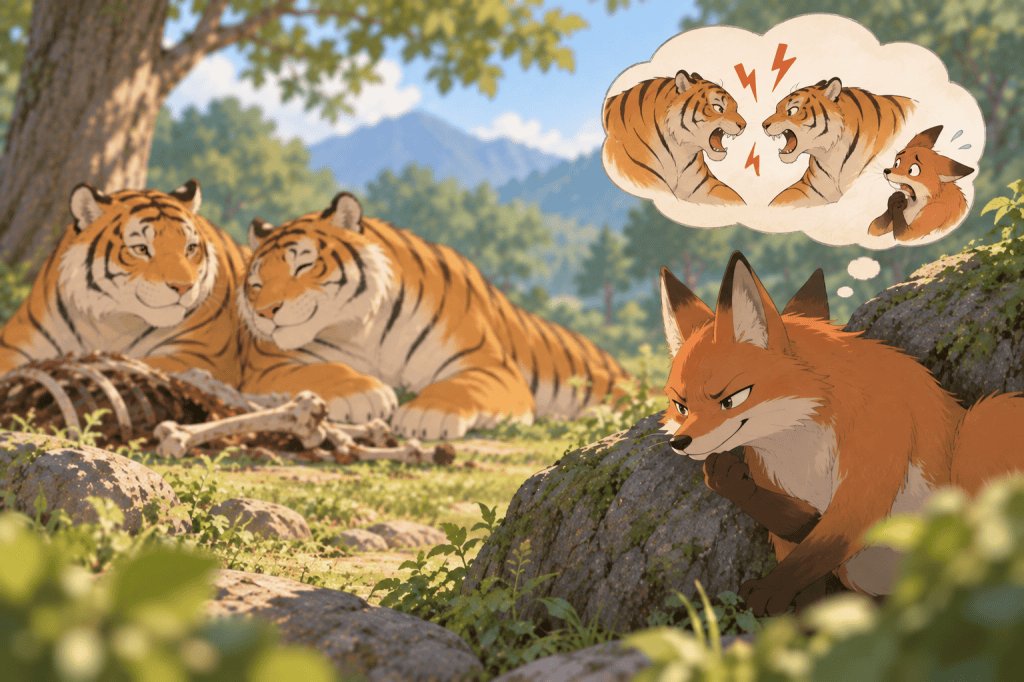
There was also a cunning fox that was lazy, greedy, and deceitful. It survived by scavenging the remains of the prey left behind by the two tigers and followed them around every day.

The Story of Two Tigers and a Cunning Fox

Although the fox depended on the two tigers for survival, it was also extremely afraid of them. It worried that one day, if the tigers failed to catch any prey, they might turn against it, and its very life could be in danger. The fox therefore devised a scheme to sow discord between the two tigers.

The Story of Two Tigers and a Cunning Fox

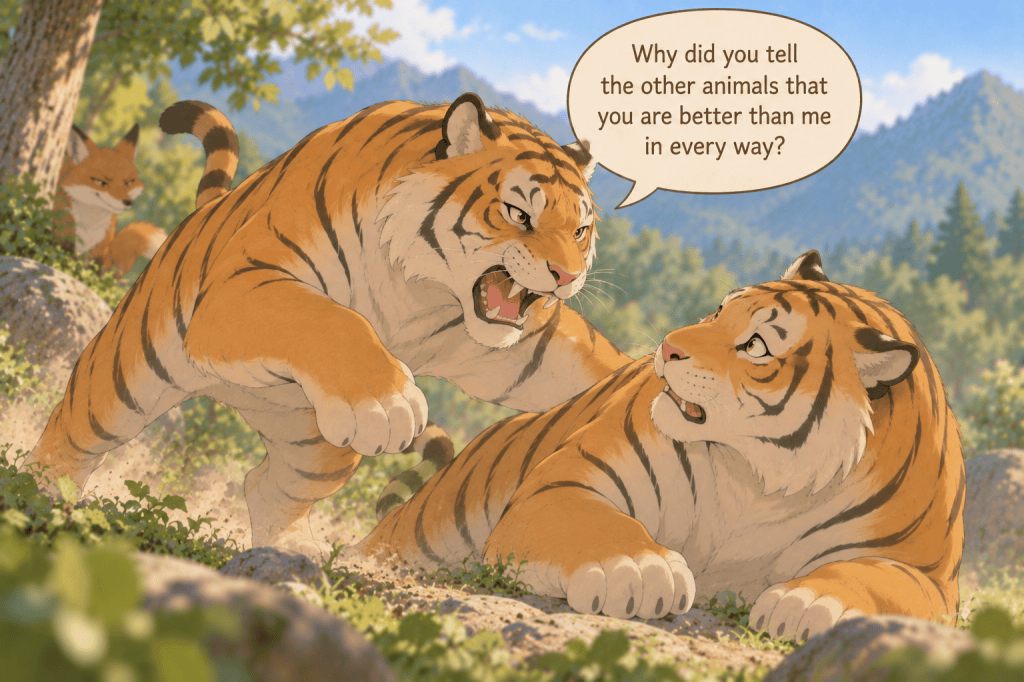
Because of the fox’s instigation, the next time the two tigers met, Shanya attacked Shanbo first.

Shanbo did not immediately fight back. Instead, he chose to retreat.

The Story of Two Tigers and a Cunning Fox

As Shanya continued attacking, he angrily rebuked Shanbo:

“Why did you tell the other animals that you are better than me in every way?”

The Story of Two Tigers and a Cunning Fox

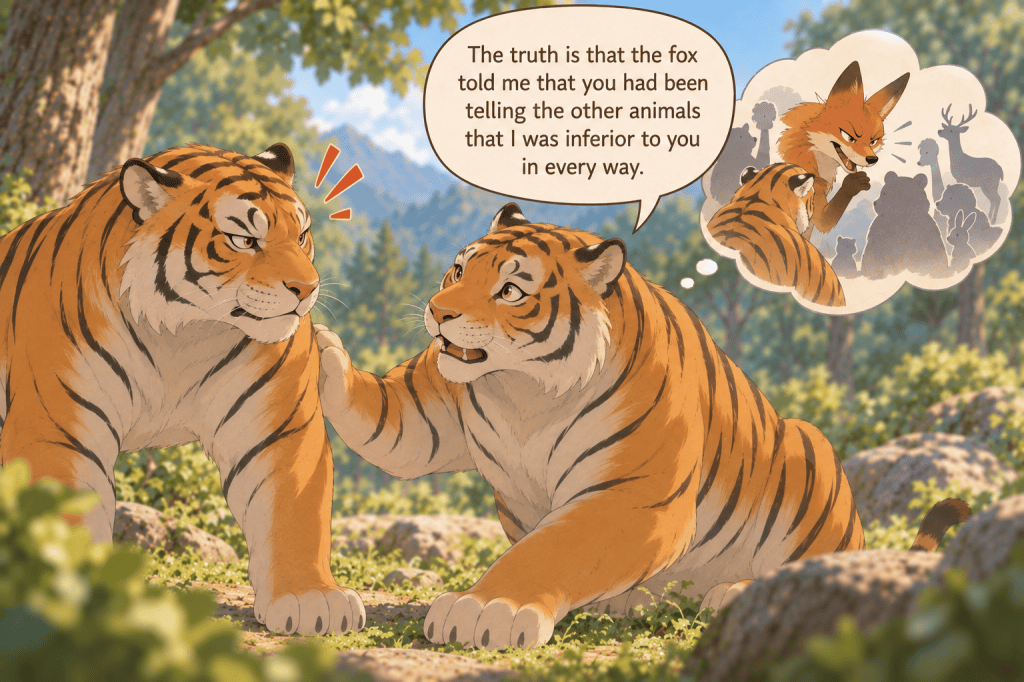
Upon hearing this, Shanbo realized that something was wrong. He urged Shanya to calm down and explained:

“The truth is that the fox told me that you had been telling the other animals that I was inferior to you in every way.”

The Story of Two Tigers and a Cunning Fox

When Shanya heard this, he too realized that something was amiss. He immediately stopped fighting.

The two tigers resolved their misunderstanding and reconciled. From that time onward, they once again lived together peacefully, and tranquility returned to the forest.

The Lesson of the Story

This story teaches us not to readily believe rumors, become attached to disputes over right and wrong, or act impulsively without first understanding the situation. Had Shanbo immediately fought back instead of remaining calm, the fox’s deception could have led to serious consequences.

In our own lives, becoming entangled in arguments over who is right and who is wrong can consume our time and energy, damage relationships, and cause conflicts to escalate. Sometimes, the more we try to prove ourselves right, the more deeply we become entangled in the dispute.

Once we understand that matters of right and wrong are impermanent, we can learn not to let them occupy our hearts. When we refuse to be drawn into unnecessary disputes, they may gradually fade away. In this way, letting go of attachment to right and wrong benefits both ourselves and others.

Author: Duochi
Editor: Qu Yichen

Link:https://myhappylifestyle.net/2026/09/16/attachment-to-right-and-wrong-inevitably-brings-harm/

#DorjeChangBuddhaIII #Spirituality #Buddha #Buddhism
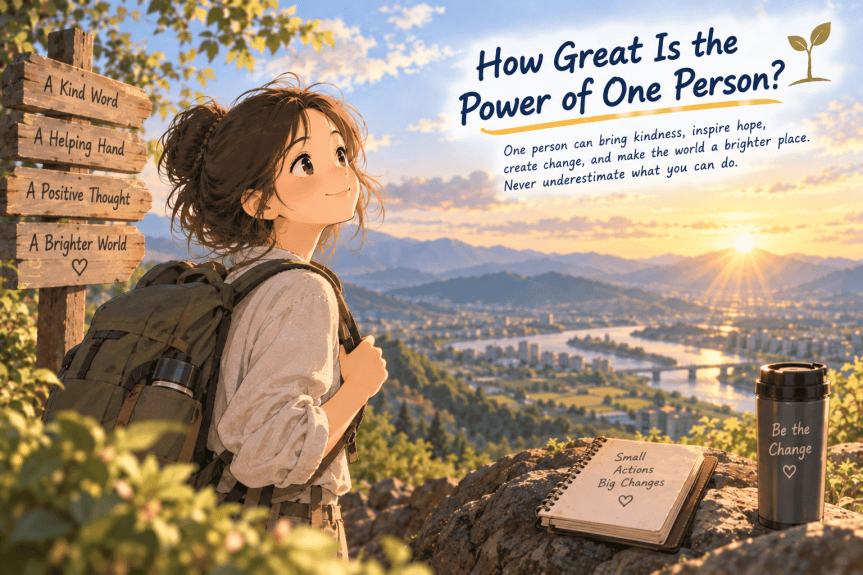
How Great Is the Power of One Person?

How Great Is the Power of One Person?

Namo H.H. Dorje Chang Buddha III once expounded the Dharma:

“A city does not need all the food a province produces, but that much food is far from enough to feed the whole country; it needs all the food the country can produce. The strength of an individual is nothing compared with collective strength.”

The meaning of this principle is that the size, corresponding energy, and function of all things in the world are relative and can be understood through comparison. Without comparison, we cannot discern what is large or small, nor can we understand the principles governing their appropriate application.

For example, if the farmland of an entire province were used to support only one city, it would seem vast and abundant. However, if an entire country had to depend on the farmland of just that one province, it would be insufficient to meet the needs of its people. Thus, the people of a nation require the land and resources of a nation to sustain them.

This illustrates an important principle: No matter how powerful an individual may be, and no matter how great that person’s abilities or talents are, the power of one person is ultimately limited. Only when the strength of many people is brought together can truly great power arise.

How can we better understand this principle? Let us consider several examples from everyday life.

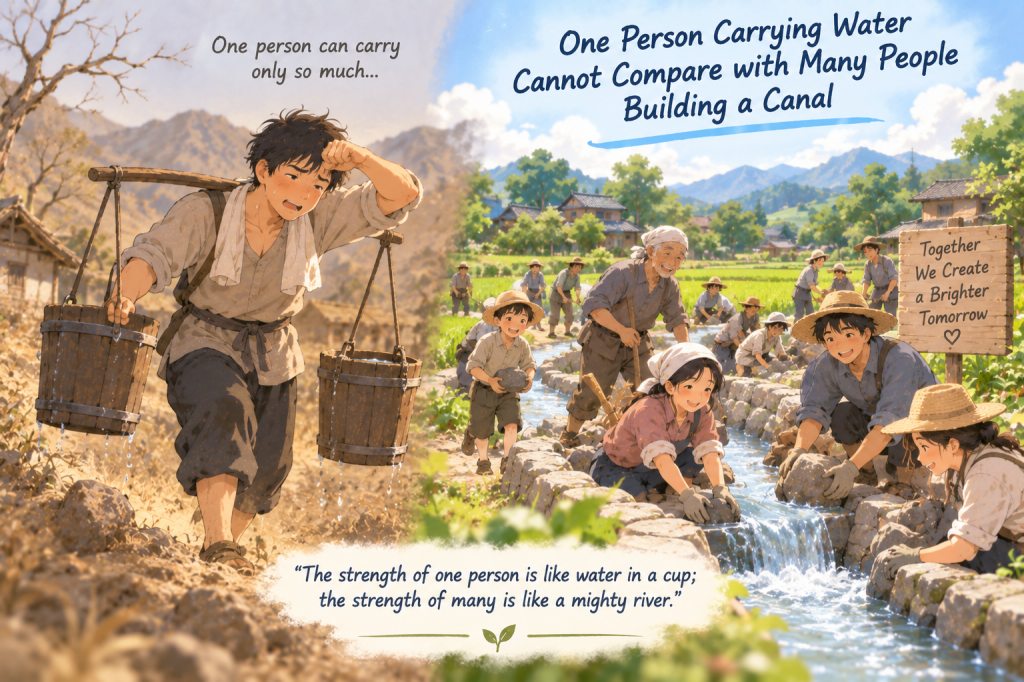
One Person Carrying Water Cannot Compare with Many People Building a Canal

Long ago, there was a mountain village that suffered from drought year after year. A remarkably strong man in the village could carry fifty loads of water each day, enough to support his own household and several neighboring families. The villagers praised him for his extraordinary strength.

But when a severe drought struck and hundreds of villagers desperately needed water, even his great strength was of little help. He broke his carrying pole and wore his shoulders raw, yet he still could not provide enough water for everyone.

Eventually, all the villagers—men and women, young and old—joined together to dig a canal, divert water, and build stone embankments. Three months later, clear water flowed into the village, and barren hillsides were transformed into fertile farmland.

The strong man sighed with realization:

“The strength of one person is like water in a cup; the strength of many is like a mighty river.”

Working Alone Cannot Compare with Advancing as a Team

At a technology company, there was a brilliant developer who independently created a piece of software with industry-leading performance. However, customers soon requested more than a hundred customized requirements. Despite working day and night, he was able to complete only a fraction of them.

The company later assembled a team. Some members specialized in interface design, others optimized algorithms, while still others communicated directly with customers. Within only three months, the team released multiple improved versions, and the company’s market share tripled.

The talented developer became thoroughly convinced of the power of teamwork:

“No matter how fast one person can run, he cannot outrun the wheels of a team moving together.”

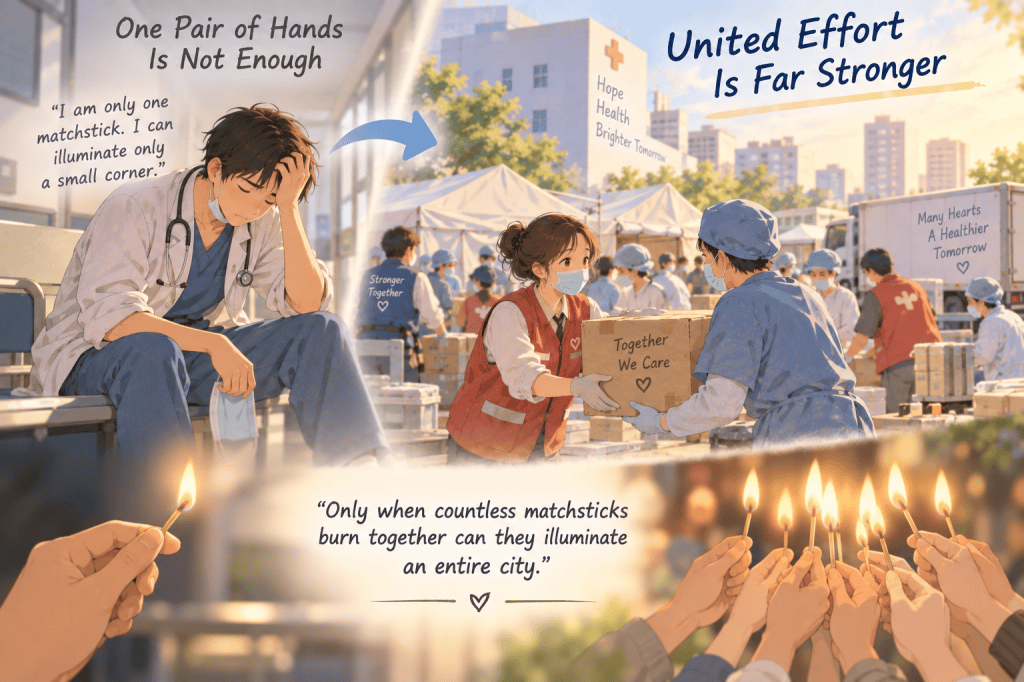
One Pair of Hands Is Not Enough; United Effort Is Far Stronger

“I am only one matchstick. I can illuminate only a small corner.”

This was the realization of a doctor who collapsed from exhaustion during an epidemic. He had worked continuously for 72 hours, treating dozens of patients, and people called him an “iron man.”

But when the number of infections surged into the thousands, his strength finally gave out, and he collapsed beside a hospital bed.

Soon afterward, medical workers, volunteers, logistics personnel, and community workers arrived from across the country in great numbers. Together, they built temporary medical facilities, delivered essential supplies, conducted screenings, and eventually brought the outbreak under control.

Reflecting on this, the doctor said:

“Only when countless matchsticks burn together can they illuminate an entire city.”

No matter how strong one person may be, that individual cannot surpass the strength created when many hearts unite. A single drop of water may seem insignificant, but countless drops come together to form an ocean. A handful of earth may seem inconsequential, but countless handfuls can rise into a mountain.

The principle expressed by the Buddha in the words, “A city does not need all the food a province produces, but that much food is far from enough to feed the whole country,” teaches us precisely this: the strength of an individual will eventually reach its limit, but when the strength of many is united, tremendous power can arise.

Yet if we wish to investigate more deeply and seek greater truths, we should seek them within the True Buddha Dharma expounded by Namo H.H. Dorje Chang Buddha III.

Alone, one may travel quickly; together, many can travel far.
The strength of one is limited; the strength of many is great.

May we cherish the light that each individual can offer while also understanding the importance of bringing together the flames of many. With our actions and with our hearts, may we put into practice the path of benefiting others.

By Yijie Xueren

Link: https://myhappylifestyle.net/2026/09/12/dorjechangbuddhaiii-how-great-is-the-power-of-one-person/

#DorjeChangBuddhaIII #Spirituality #Buddha #Buddhism
What Should You Truly Cherish in This Life?

What Should You Truly Cherish in This Life?

There is a thought-provoking story about a king who wanted to reward a servant for his many years of loyal service. The king gave him a special opportunity, saying, “Run as far as you wish. As long as you make a full circle and return here before sunset, all the land you encircle will be yours.”

Overjoyed, the servant began running forward without stopping, almost like a wild beast driven into a frenzy.

He ran and ran with all his might. Finally, just before the sun went down, he completed a vast circle and returned to where he had started. However, exhausted beyond endurance, he collapsed and died.

With great sorrow, the king buried him. In the end, the only land the servant truly obtained was the small plot of ground needed for his grave.

This story reveals a profound truth: People always hope to gain more, yet in the process of pursuing more, they often lose themselves and may even pay for it with their lives. In modern society, we too are often driven by our desires, constantly pursuing greater achievements, greater wealth, and more possessions. Yet amid this endless pursuit, are we not sometimes like that servant, overlooking the true value and meaning of life?

Namo Shakyamuni Buddha said in the Sutra of the Buddha’s Bequeathed Teachings:

“You should know that those with many desires, because they seek much gain, also suffer much distress. Those with few desires, having little seeking and craving, are free from such troubles.”

Excessive desires often bring endless exhaustion and anxiety, causing us to lose ourselves in the flood of material pursuits. Rather than constantly seeking more external possessions, we should stop and reflect: What is truly important? What is the genuine treasure that we should cherish?

In a Dharma discourse, Namo H.H. Dorje Chang Buddha III taught His disciples:

“The most valuable thing in the world is the great Buddha Dharma that can enable you to attain liberation from birth and death! If you can grasp the Buddha Dharma and cultivate yourself in accordance with the Dharma, you will be able to live when you wish to live and die when you wish to die. That is what is truly most valuable.”

Therefore, as long as we have enough food to sustain ourselves and our lives are manageable, we should quickly seize the opportunity to learn the Buddha Dharma well, take worldly matters lightly, cultivate ourselves earnestly, have few desires and be content, never err in matters of cause and effect, and strive to attain liberation from birth and death with certainty in this very lifetime. This is what makes a life truly worthwhile.

Jiangqiu Lunzhu
June 2024

Link: https://myhappylifestyle.net/2026/09/09/dorjechangbuddhaiii-what-should-you-truly-cherish-in-this-life/

#DorjeChangBuddhaIII #Spirituality #Buddha #Buddhism
There Is No Generation Gap—Am I the North Wind or the Sun?

There Is No Generation Gap—Am I the North Wind or the Sun?

There is a saying: “If you have never experienced what others have gone through, do not be quick to judge their faults. If you have never endured their suffering, do not be quick to tell them how they should behave. If you had suffered what I have suffered, you might not have done any better than I did.” Such a simple truth—yet I never realized how poorly I had practiced it in the past.

Ever since I was young, my father had raised me with a strict and authoritative approach. This was very different from my relationship with my mother, with whom I always seemed to have endless things to talk about.

As I grew older, friction between my parents gradually increased, leaving many negative impressions deeply embedded in my mind. My father and I rarely talked. Whenever my parents had a disagreement, I invariably took my mother’s side without trying to view the situation objectively. As a result, my misunderstandings of my father grew deeper and deeper.

During the years when I suffered most severely from illness, my father took care of me tirelessly and without complaint. Although I was deeply moved by everything he did for me, for some reason I could never let go of the memories of his arguments with my mother. Deep inside, I still harbored resentment toward him.

After my mother passed away, my father was overwhelmed with grief. Yet he often pulled himself together to encourage me, simply because he was afraid that remembering my mother would make me sad and bring me to tears.

Now that only my father and I remained to keep each other company, the awkwardness of having so little to talk about became even more apparent. Sometimes when I accompanied him on walks, I would become impatient when he repeatedly talked about things from the past. Although this was his way of expressing his emotions, I failed to recognize the helplessness and loneliness hidden behind his words.

Instead, I behaved almost like a fault-finding inspector. Even as I listened to him, I would contradict or correct him. Our conversations would often end with him saying, “If you don’t like talking to me, at least don’t lose your temper with me!”

I do not know how many times this pattern repeated itself. Then one day, I suddenly became alarmed by my own conduct. I realized what an inconsiderate daughter I had been. I had continued to hold on to the painful memories of my parents’ arguments, and because of that, I had never truly listened to what was in my father’s heart.

I began to think: We can change ourselves without demanding that others change, can’t we? Moreover, how could I possibly understand all the causes and conditions underlying the relationship between my parents?

I therefore resolved to become a gentler and more understanding daughter. I began training myself to truly listen, to let go of the burdens and attachments of the past, and to sincerely fulfill my filial duty toward my father.

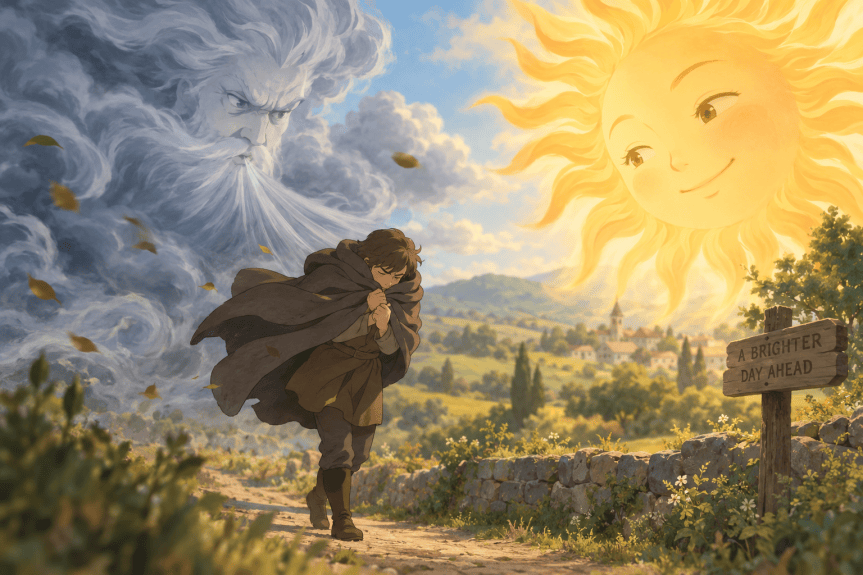
It reminded me of Aesop’s famous fable, “The North Wind and the Sun.” I was determined to be the sun!

Gradually, my relationship with my father became more and more harmonious. Whenever I am not by his side, I call him at a regular time each day to see how he is doing. When I return home, I also make an effort to spend more time talking with him. Over time, my father has come to feel that I genuinely care about him.

My father and I had once been almost like strangers, but now we live together in harmony. I deeply understand that this transformation came about through genuinely learning and practicing Buddhism. It is also a result of frequently listening respectfully to the Dharma discourses expounded by Namo H.H. Dorje Chang Buddha III, through which I received purification and blessings.

The Buddha Dharma exists in this world and is inseparable from awakening within this world. There is no knot in life that cannot be untied. What matters is whether we are willing to let go of our attachments and make the change.

Link: https://myhappylifestyle.net/2026/09/08/there-is-no-generation-gap-am-i-the-north-wind-or-the-sun/

#DorjeChangBuddhaIII #Spirituality #Buddha #Buddhism
When I Came to Understand the Pain Deep Within My Mother’s Heart

When I Came to Understand the Pain Deep Within My Mother’s Heart

Through participating in group study, respectfully and deeply listening to the Dharma discourses expounded by my Buddha Master, Namo H.H. Dorje Chang Buddha III, and sharing what I had learned with others, I gradually came to understand and feel the pain deep within my mother’s heart.

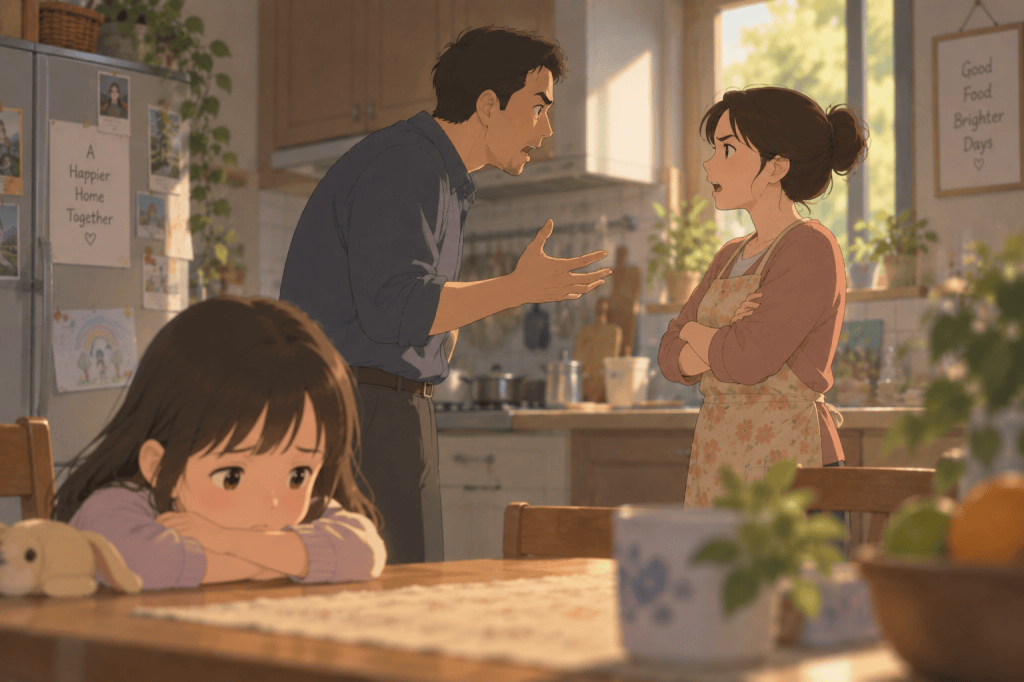
For as long as I can remember, my parents were constantly arguing. During holidays and festivals in particular, our home would become filled with tension. After an argument, my mother would always wear a stern expression and remain silent, while my father would sigh repeatedly, not knowing what to do.

After encountering the Tathagata’s True Dharma taught by H.H. Dorje Chang Buddha III, I wanted to resolve a question that had puzzled me for a long time: My mother had everything she needed in terms of food and clothing and was free from serious illness or misfortune, so why did she complain every day? She would either say that my father did not treat her well or feel that my younger brother and his wife did not treat her well. She would become so upset that she sometimes could not sleep all night.

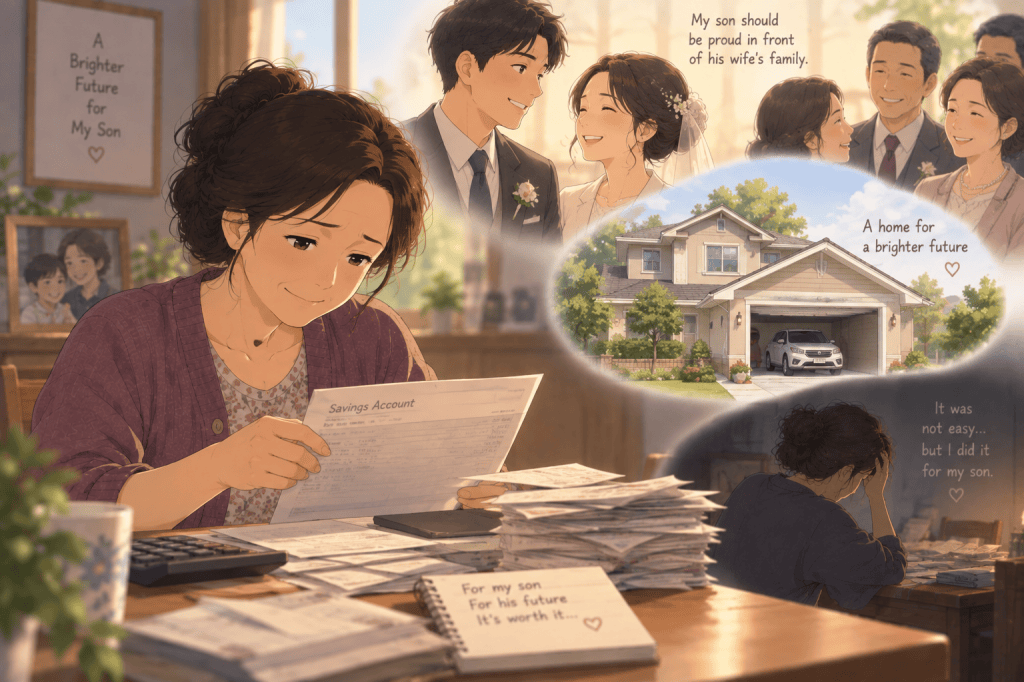
My mother cared greatly about maintaining appearances, even when doing so caused her hardship. She especially doted on my younger brother, whom she treasured dearly. To ensure that he could hold his head high in front of his wife’s family, my mother used almost all of her savings to buy them a home and a garage.

Whenever there was an important occasion or even a smaller matter involving my sister-in-law’s family, my mother always handled everything generously and properly. She would rather live frugally herself than allow my brother to lose face.

Yet despite all she had done, my brother seldom contacted her. Although they lived in the same city, he rarely checked in on her, much less came to see her. I could feel how deeply my mother missed her son. She would often ask me, “I wonder what your brother has been so busy with lately?”

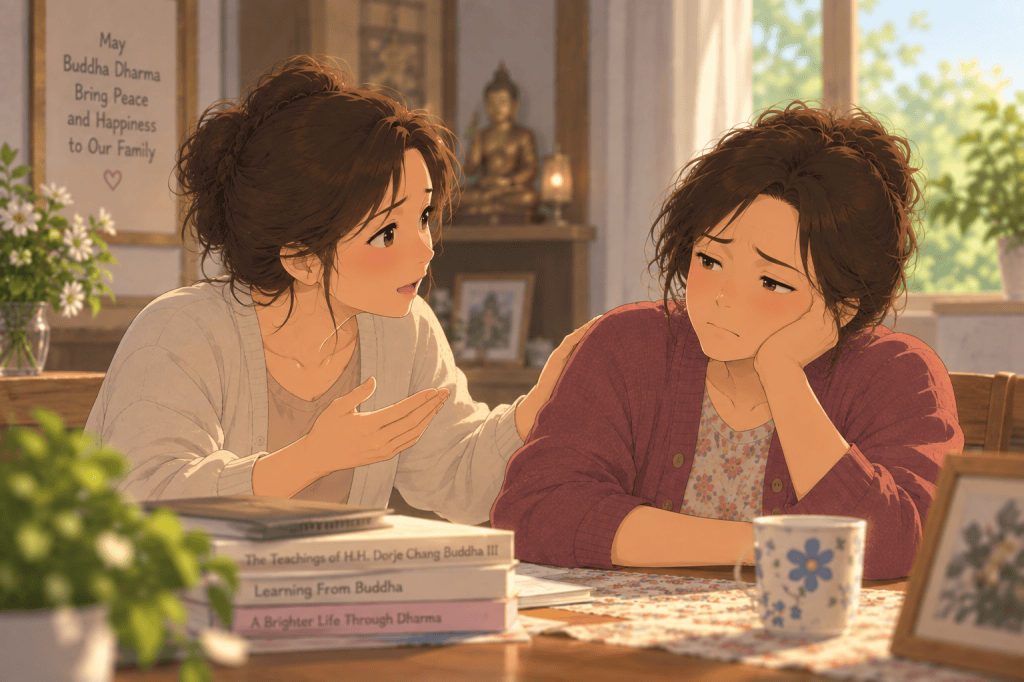
To tell the truth, seeing my mother like this made my heart ache, and I also felt deeply concerned about my inability to help her. How I wished she could learn the true Dharma of the Tathagata with me! After all, it was through learning the true Dharma of H.H. Dorje Chang Buddha III and developing right understanding and right views that I myself had been able to free myself from the suffering caused by my divorce.

Having personally experienced the benefits of learning Buddhism and cultivating myself, I tried to persuade my mother not to dwell on the things that troubled her. I explained to her that these circumstances were the result of causes, conditions, and karmic forces planted in the past. But she did not agree with what I told her.

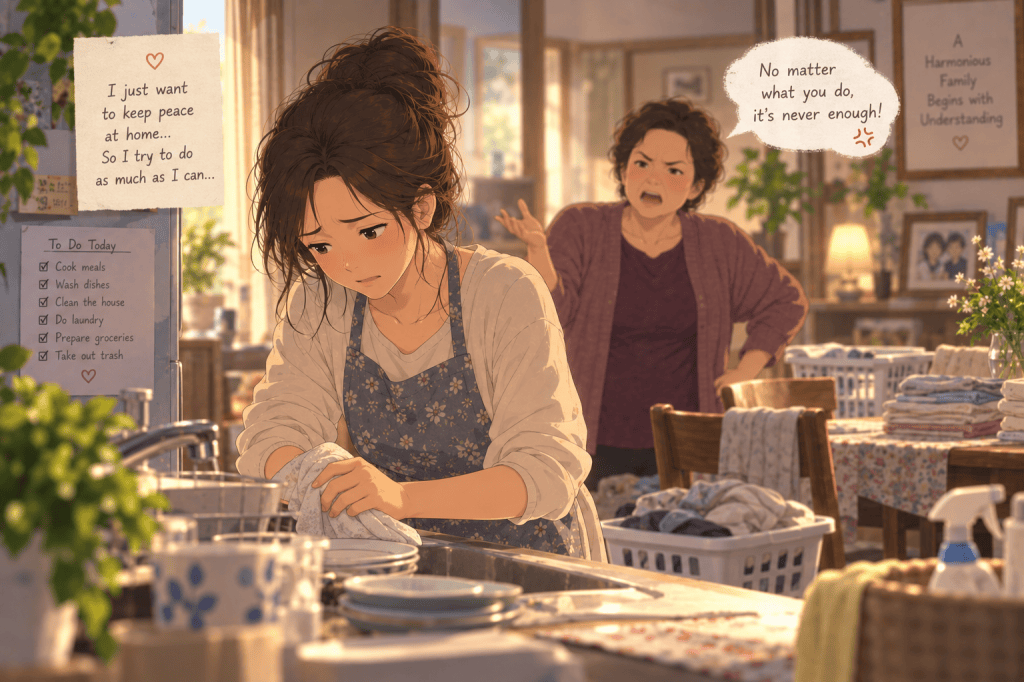
To avoid upsetting my mother, I tried to take care of nearly all the household chores myself so that she would have to do as little as possible for my single-parent household. Yet strangely, the more responsibilities I took upon myself, the more upset she seemed to become. No matter what I did, I could not seem to make her happy.

Back then, I lived very cautiously around her, afraid that something I said or did might cause her to become upset and silently resentful. I also tried communicating with her, but she would often remain silent and keep everything bottled up inside.

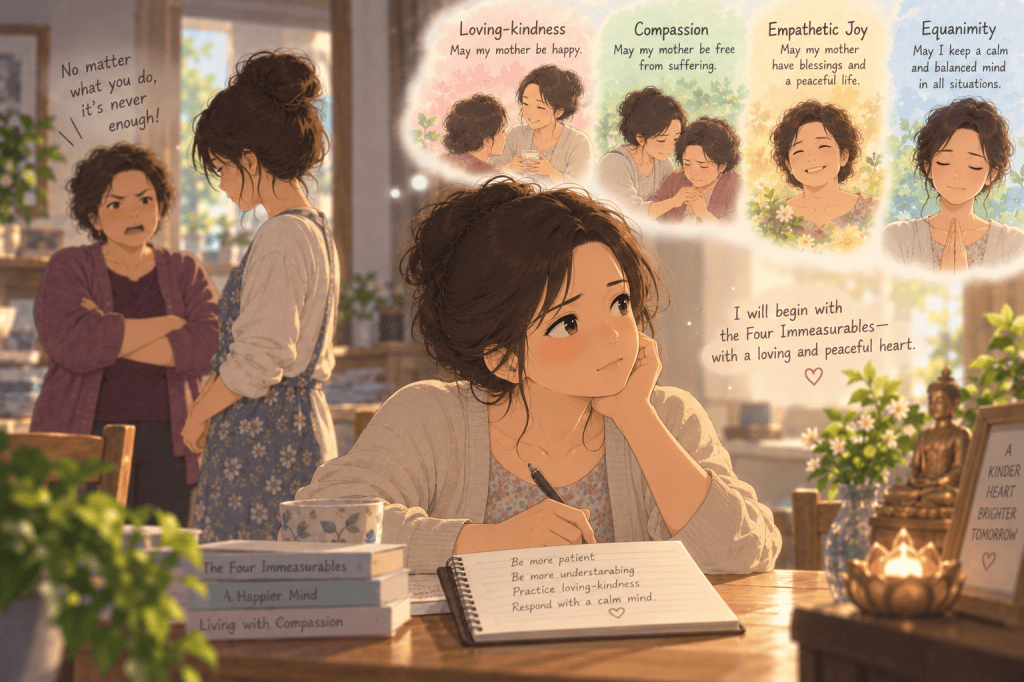
Through respectfully studying Expounding the Absolute Truth Through the Heart Sutra, I brought forth right mindfulness and finally came to understand how I should correctly practice the Four Immeasurables of loving-kindness, compassion, empathetic joy, and equanimity. I first needed to begin with equanimity and selfless giving—to be willing to devote my time to considering the needs of my family. Caring for them was not merely about making sure they had enough food, warm clothing, and money to spend. I also needed to learn to recognize and understand the suffering within their hearts.

I began to sincerely spend time with my mother, and gradually I discovered that the ice within her heart was beginning to melt. Instead of telling her, “Don’t be angry anymore” or “Don’t hold on to resentment,” I began placing the responsibility upon myself: I needed to understand the pain within my mother’s heart, listen to what her heart was trying to tell me, help heal her emotional wounds, and help her establish right understanding and right views.

When my mother complained, I became willing to set aside my time and sit quietly beside her, listening attentively. I no longer used the principle of “cause and effect” to argue with her until she had nothing left to say.

When she felt physically tired, I would take the time to massage the acupressure points on her feet and ask her whether the pressure was too light or too strong. When she felt bored, I would willingly spend time with her and chat about everyday family matters instead of lecturing her about principles and doctrines.

The more I tried to understand the pain in my mother’s heart, the more she began saying things like, “Don’t waste your time on me. I don’t need you to keep me company. Go take care of the children. Once you’ve taken care of everything for them, go do whatever you need to do.”

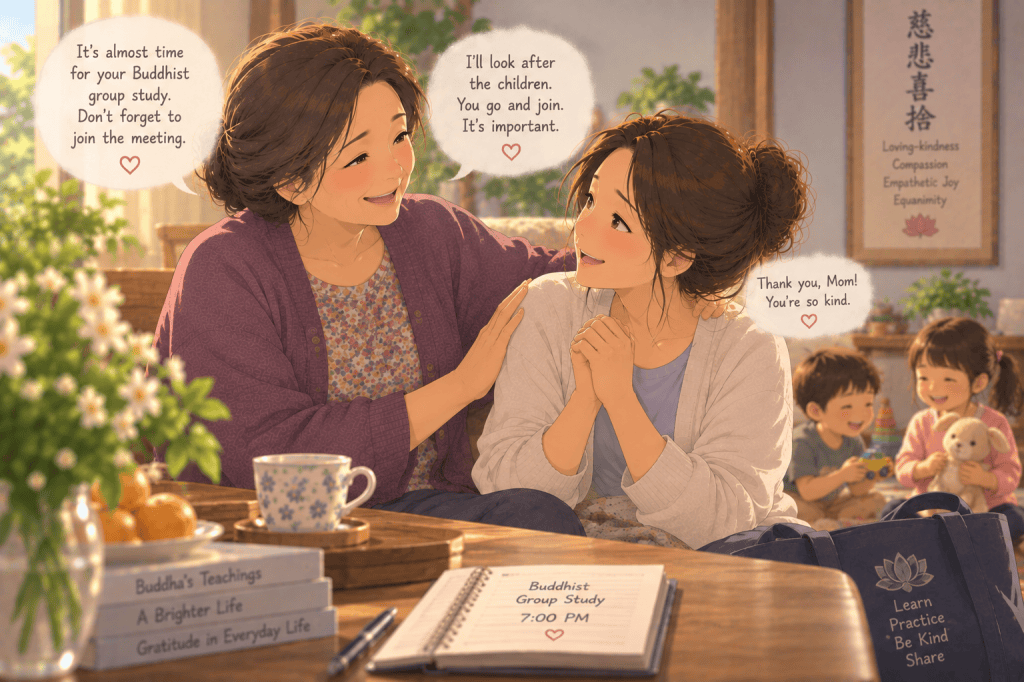
What surprised and delighted me even more was that my mother eventually began reminding me herself, “It’s almost time for your Buddhist group study. Don’t forget to join the meeting. I’ll help you look after the children.”

I had finally gained my mother’s support. And it happened simply because I had learned to recognize the pain within her heart and was willing to devote my time to sincerely being there for her.

This is exactly what the H.H. Dorje Chang Buddha III teaches in the Dharma discourses: we must put our cultivation into actual practice and cultivate ourselves with respect to the three karmas of body, speech, and mind. We must be sincere in our words and actions and in the way we interact with and treat others. Only by putting genuine effort into our conduct in everyday life can we truly touch the hearts of others.

Contributed by: Ji Cheng / Kui Xing

Link: https://myhappylifestyle.net/2026/09/06/dorjechangbuddhaiii-when-i-came-to-understand-the-pain-deep-within-my-mothers-heart/

Who Is His Holiness Dorje Chang Buddha III?

Who Is His Holiness Dorje Chang Buddha III?

Five Key Points about the Buddhist Spiritual Leader

Buddhism is among the largest religions in this world. The original founder of Buddhism and the religion’s highest spiritual leader in the universe is Dorje Chang Buddha. He is worshiped by all major sects and schools of Buddhism as the earliest primordial Buddha.

Buddhists belong to a religious belief that understands the universe’s nature of no-birth and no-annihilation and human beings’ original nature of true such-ness are one and the same. They believe in the cycle of transmigration driven by the law of cause and effect. They believe that after one’s biological death, the spirit or soul will incarnate and be reborn into a new being. In the case of the primordial Buddha, He has now incarnated to this world for the third time as His Holiness Dorje Chang Buddha III. The highest spiritual leader in Buddhism alive today currently lives in the United States of America.

His Holiness Dorje Chang Buddha III is not one who seeks publicity. Even when awarded the Presidential Gold Award, the Dr. Martin Luther King Legacy Award for International Service and Leadership, and many other prestigious prizes, He did not attend the award ceremonies to receive the prizes in person. He is well known for loving-kindness and compassion, and has made a vow of only helping others and never accepting any offerings from anyone.

However, His accomplishments and accolades are widely-reported. The following are five of the most interesting things that you may not have known about His Holiness the Buddha:

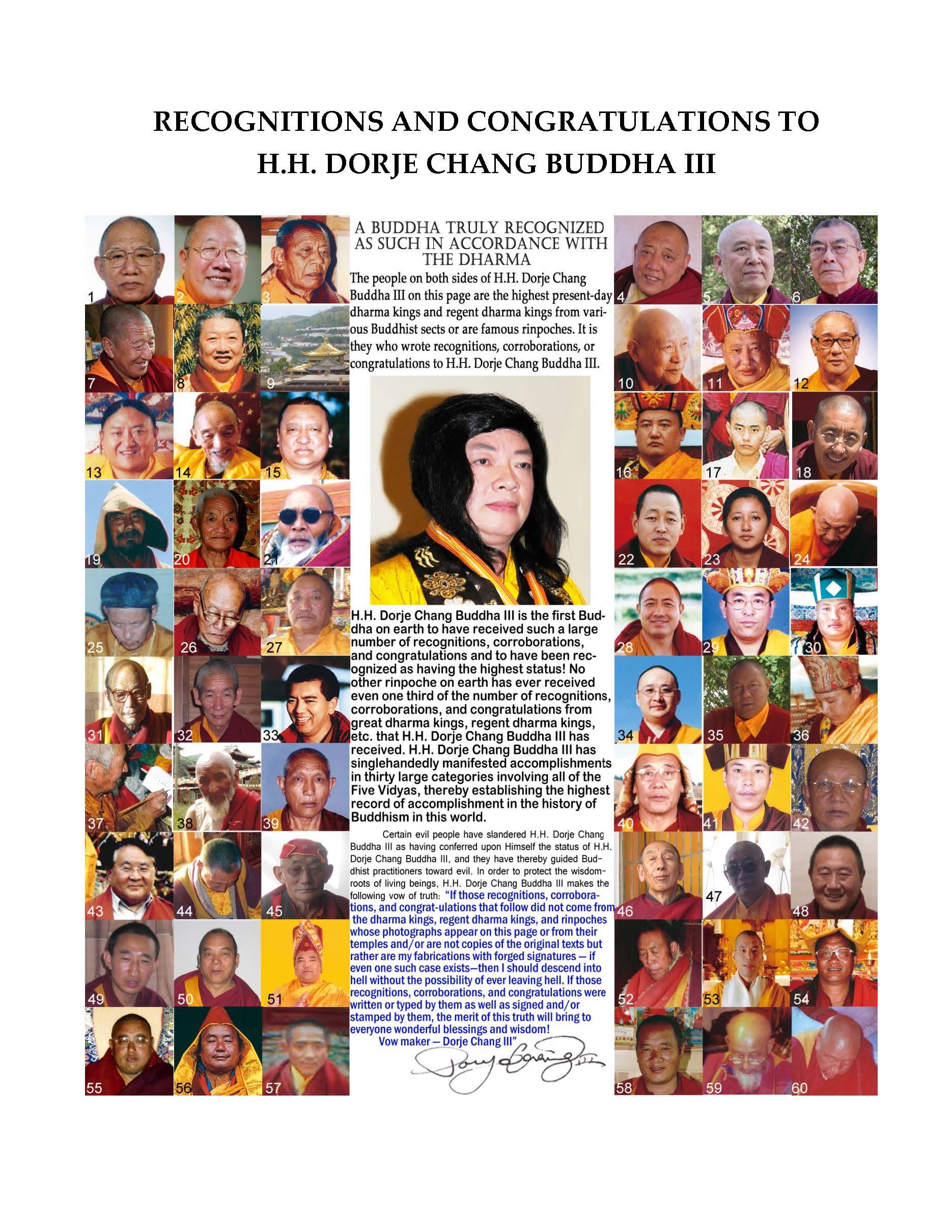
Recognitions & Congratulations to H.H. Dorje Chang Buddha III

International Buddhism Sangha Association

1. Buddhism classifies all material and spiritual matters and knowledge in the universe into five aspects. Complete mastery of these five aspects is called having realized the Five Vidyas (vidya is a Sanskrit word meaning brightness). Buddhas and Bodhisattvas must possess the Five Vidyas. The Five Vidyas include: the Vidya of Causality, the Vidya of Healing, the Vidya of Sound, the Vidya of Craftsmanship, and the Vidya of Inner Realization. Looking through the entire history of Buddhism, His Holiness Dorje Chang Buddha III is the first holy one to perfectly manifest real accomplishments in the Five Vidyas, meeting the highest standard of Buddhism. For this reason and more, His Holiness Dorje Chang Buddha III is the one and only individual in history to receive recognitions and corroborating recognitions from over 60 of the highest present-day dharma kings and regent dharma kings from various Buddhist sects.


2. His Holiness Dorje Chang Buddha III was awarded the Top Honor Prize during the World Peace Prize Ceremony at the U.S. Capitol on June 14, 2011. The World Peace Prize is an initiative to promote world peace and understanding between different nations, ethnicities, cultures and religions. His Holiness Dorje Chang Buddha III was recognized for receiving this Top Honor Prize by the 112th Congress in U.S. Senate Res. 614, commending His Holiness the Buddha for his role in advancing peace, justice and inter-religious collaboration.

3. His Holiness Dorje Chang Buddha III has long been an internationally renowned artist. His paintings are not limited by subject or themes and are of many types, from water-ink paintings to oil paintings. Specifically, the subject matters include human figures, animals, flowers and birds, mountain and water scenes, fish, insects, and so on. Within the wide range of styles, there is fine brushwork, drawing with lines and strings, splash-ink, bold freehand brushwork, small freehand brushwork, and others. Altogether, He created 16 unique painting styles or schools, representing an unprecedented pioneering achievement in the history of art. His paintings are on permanent exhibition at the International Art Museum of America in San Francisco, the H.H. Dorje Chang Buddha III Cultural and Art Museum in Los Angeles County, and other art museums. His Holiness Dorje Chang Buddha III’s paintings are extremely valuable and rare. As early as in 2000, His artworks were sold for more than two million U.S. dollars each. He became the artist whose paintings commanded the highest prices compared to the prices for paintings created by all ancient and modern Chinese artists. Last March, an ink painting of His was sold at the New York Spring Auction for $16.5 million, which was the highest price realized at the 2015 Spring Auction of all artworks by ancient and modern artists worldwide. He is the world’s first inventor to create a class of artworks that cannot be duplicated by anyone or with any method — Yun Sculpture. Only after that, the world now has un-duplicable artworks. Experts predict that His paintings will become increasingly valuable as His Holiness plans to focus solely on Buddhist activities.

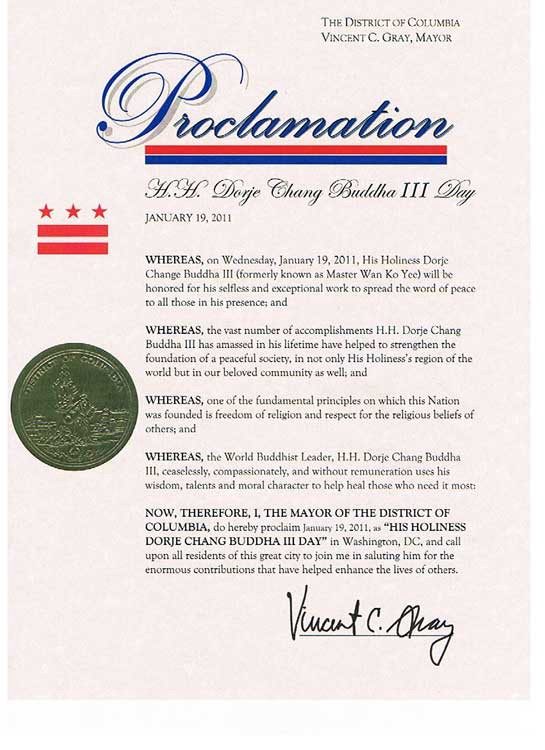
Proclamation of H.H. Dorje Chang Buddha III Day

4. In 2011, the then Mayor of Washington, D.C., Vincent Gray, proclaimed January 19th as “H.H. Dorje Chang Buddha III Day.” The mayor called on D.C. residents to join him in saluting “His selfless and exceptional work to spread the word of peace to all those in His presence.” The Unites States Postal Service also issued a commemorative cover in celebration of “His Holiness Dorje Chang Buddha III Day.”

5. His Holiness Dorje Chang Buddha is a Fellow of Britain’s Royal Academy of Arts, making Him the first internationally distinguished artist appointed to a Fellowship in the Academy’s history of more than 200 years. The title of Fellow was awarded by the Academy’s President, Phillip King, at a ceremony in the British Embassy in Washington.

Unless you are an astute follower of Buddhism, you may not have known that His Holiness Dorje Chang Buddha III has been recognized as the third incarnation of the original Buddha. His accomplishments clearly transcend religion, healing, art, philosophy, and literature. He continues to devote His time to a wide scope of cultural, religious, and various other domains directed at helping people in communities across the globe. His Holiness Dorje Chang Buddha III has made the following vow: “I will bear all of the karmic offenses committed by living beings, and I will give everyone all of the good karma and merit that I plant.” His Holiness the Buddha has been executing it exactly as is.

Steven Meyers received his bachelor’s degree in Chinese language from Brown University, where he graduated magna cum laude. After graduating, Mr. Meyers spent a year at the Stanford Center in Taiwan furthering his study of the Chinese language. Later, he received a Juris Doctor degree from the University of Michigan and is now an attorney licensed to practice law in the state of California. He has been providing legal advice to California non-profit corporations since 1996. His current focus is translating Buddhist material from Chinese into English.


Who Is His Holiness Dorje Chang Buddha III?


Source: https://dharma-hhdorjechangbuddhaiii.org/who-is-his-holiness-dorje-chang-buddha-iii/

Link: https://myhappylifestyle.net/2026/09/04/who-is-his-holiness-dorje-chang-buddha-iii/
 

#DorjeChangBuddhaIII #Buddha # Buddhism

How I Improved My Relationship with My Sister-in-Law

How I Improved My Relationship with My Sister-in-Law

I used to envy families in which a sister-in-law was filial toward her parents-in-law and the sisters-in-law got along so harmoniously. Yet, although I was a Buddhist practitioner, my relationship with my younger brother’s wife was so distant that we were practically strangers.

Whenever our family gathered, I would unconsciously take on the role of a “judge.” This was especially true when it came to my sister-in-law. I could always find something she had failed to do thoughtfully enough for her mother-in-law—my mother. In my view, being filial meant that the younger generation should unconditionally respect, obey, and care for their elders. Somehow, I always felt that my sister-in-law fell a little short. She would also argue with my mother over trivial matters, and all of this became evidence, in my eyes, for judging her.

I would often reveal my dissatisfaction with her in front of other family members without even realizing it. My words carried a tone of reproach, and sometimes I even relied on my position as her husband’s elder sister to criticize her. Whenever my mother complained to me about her daughter-in-law, I would immediately take my mother’s side without considering the situation carefully and would find fault with my sister-in-law. As a result, I only intensified the conflict between them.

One day, I once again respectfully studied the Treasury book Learning From Buddha, in which the H.H. Dorje Chang Buddha III expounded the Dharma. When I came to the specific teachings on “examining oneself three times a day,” I began to reflect upon and examine myself.

Suddenly, I realized: Wasn’t everything I had been doing at home precisely an example of becoming entangled in the rights and wrongs of worldly affairs?

I was constantly noticing other people’s faults and criticizing them, openly or indirectly, while completely forgetting to examine myself.

H.H. Dorje Chang Buddha III teaches us not to focus on the faults of others. We should regard another person’s faults as our own. When we see shortcomings in others, we should regard them as a diminishment of ourselves; when we see goodness in others, we should regard it as our own good fortune.

Looking back at myself, I realized how often I had focused on other people’s faults. Whenever I complained about and criticized my sister-in-law in front of our family, saying that this or that about her was wrong, I had already become entangled in right and wrong, trapped in attachment to self, and caught up in thoughts such as, “You are wrong,” “What you are doing is not right,” and “I don’t like the way you do things.”

I was truly full of bad habits, a person deeply burdened by attachment to self. I had forgotten the H.H. Dorje Chang Buddha III’s teachings. I had forgotten that with each passing day, there is one less day left in my life and that every day brings me closer to the crematorium. Every day, dark karma was accumulating upon me. How could I possibly attain accomplishment this way? And how could I guide others to learn Buddhism?

After recognizing the errors in my behavior, I immediately changed the way I treated my sister-in-law.

I began taking the initiative to help drive her children to and from school. I helped her with farm work. When she came home late from work, I would prepare meals and invite her and my mother to eat together. To help ease the tension between my mother and sister-in-law, I also began praising my sister-in-law during holiday family gatherings, telling everyone how hardworking and capable she was.

Just as a gentle rain quietly nourishes the earth, changes gradually began to take place. A smile slowly returned to my sister-in-law’s face, and our relationship became increasingly harmonious. Sometimes, she would even initiate conversations with me and talk about stories concerning cause and effect.

Her attitude toward my mother also underwent a remarkable transformation.

On one occasion, my mother was hospitalized and needed someone to care for her. At this critical time, my sister-in-law not only voluntarily took on the responsibility of caring for her mother-in-law, but also looked after her with great thoughtfulness. From preparing her meals and attending to her daily needs to comforting her emotionally, everything she did reflected patience and loving care.

Every day, she prepared nutritious meals for my mother and patiently kept her company, chatting with her to relieve her boredom. Even late at night, when everything was quiet, I would see her gently pulling the blanket over my mother.

Seeing all of this filled my heart with warmth. Her care touched every one of us.

When I think back, I realize that I had always viewed my sister-in-law through a prejudiced lens. I failed to understand that everyone expresses their feelings and care differently. Instead, I relied on my own subjective judgments and readily drew conclusions about her. Even worse, I had forgotten the Buddha’s teachings. Thinking about this fills me with shame.

My sister-in-law’s transformation not only improved our relationship but also brought about a profound cleansing of my own heart and allowed me to see myself more clearly. This experience reminds me to constantly examine myself, always keep the H.H. Dorje Chang Buddha III’s teachings in mind, and put cultivation into practice in every aspect of daily life.

Today, I have learned to view each member of my family with a calmer and more peaceful mind. Instead of looking at other people’s faults through a magnifying glass, I have learned to be more tolerant and grateful.

As a result, life has become much more beautiful.

Written by: Mo Wu
Edited by: Qu Yi Chen

Link: https://myhappylifestyle.net/2026/09/04/dorjechangbuddhaiii-how-i-improved-my-relationship-with-my-sister-in-law/

#DorjeChangBuddhaIII #Spirituality #Buddha #Buddhism
My First Experience at the Dharma Assembly Honoring the Holy Birthday of Namo Dorje Chang Buddha III

My First Experience at the Dharma Assembly Honoring the Holy Birthday of Namo Dorje Chang Buddha III

Before attending the Dharma Assembly Honoring the Holy Birthday of Namo Dorje Chang Buddha III, I knew very little about Buddhism and had never participated in such a large-scale Buddhist event. I accepted an invitation out of curiosity, expecting to observe a traditional religious ceremony. What I experienced, however, far exceeded my expectations and left a lasting impression on me.

Glendale Civic Auditorium
My First Experience at the Dharma Assembly Honoring the Holy Birthday of Namo Dorje Chang Buddha III

From the moment I entered the venue, I sensed an atmosphere of dignity, serenity, and profound respect. The beautifully arranged altar, the graceful floral decorations, and the orderly seating reflected meticulous preparation. Despite the large number of attendees, everything proceeded with remarkable precision and harmony. Volunteers guided participants with genuine warmth and courtesy, always wearing welcoming smiles and patiently assisting anyone who needed help.

What amazed me most was the extraordinary level of organization. Every part of the Dharma Assembly unfolded smoothly and reverently. There was no confusion or disorder, even though people from many countries and cultural backgrounds had gathered together. The entire event demonstrated an impressive spirit of cooperation, discipline, and mutual respect that is rarely seen at gatherings of this size.

Below, I would like to share several news videos covering this event. I believe they beautifully demonstrate how well-organized, dignified, and solemn the ceremony appeared to the public. I was genuinely amazed and deeply impressed by how beautifully the entire event was conducted.

My First Experience at the Dharma Assembly Honoring the Holy Birthday of Namo Dorje Chang Buddha III

As I observed the ceremony, I was touched by the sincerity of everyone present. The participants were not merely attending an event—they were expressing heartfelt reverence and offering prayers for world peace, the well-being of humanity, and the happiness of all living beings. It was inspiring to witness so many people united by compassion and goodwill rather than personal interests.

Although I am not a disciple of Namo Dorje Chang Buddha III, attending this Dharma Assembly gave me an opportunity to learn more about Him and the values that His teachings encourage. As I listened to those around me speak about His teachings and observed the compassion, humility, and kindness reflected throughout the event, I began to understand why so many people deeply respect and appreciate Him. The atmosphere itself conveyed a powerful message—that genuine spiritual practice should inspire people to become more compassionate, more considerate of others, and more dedicated to creating harmony in society.

One aspect that particularly moved me was the selfless dedication of the volunteers. They worked quietly behind the scenes without seeking recognition, ensuring that every participant felt welcomed and cared for. Their humility, patience, and willingness to serve others demonstrated values that many people, regardless of their religious beliefs, would admire and respect.

My First Experience at the Dharma Assembly Honoring the Holy Birthday of Namo Dorje Chang Buddha III

As the Dharma Assembly came to a close, I found myself reflecting on the experience. In today’s fast-paced world, opportunities to witness such sincerity, harmony, and mutual respect are increasingly rare. This gathering was much more than a ceremonial celebration; it was a powerful reminder that kindness, compassion, and selfless service have the ability to bring people together across cultures and backgrounds.

I left the venue with a heart full of admiration and gratitude. Although I came simply as a visitor, I departed with a much deeper appreciation for the positive influence that Namo Dorje Chang Buddha III has had on so many people’s lives. Seeing thousands of individuals inspired to cultivate kindness, serve others, and pray for the well-being of the world was deeply moving.

I am grateful for the opportunity to have attended this remarkable Dharma Assembly. It was an unforgettable experience that broadened my understanding of Buddhism and demonstrated how genuine compassion and harmony can unite people from all walks of life. The solemnity of the ceremony, the exceptional organization, and the sincere spirit of everyone present will remain in my memory for years to come.
Emily Lee

July 3, 2026

Link: https://myhappylifestyle.net/2026/07/08/my-first-experience-at-the-dharma-assembly-honoring-the-holy-birthday-of-namo-dorje-chang-buddha-iii/

#DorjeChangBuddhaIII #HolyBirthday #DharmaAssembly #BuddhaDharma #BuddhistTeachings #BuddhistPractice #SpiritualJourney #WorldBuddhismAssociationHeadquarters #BuddhistExperience