
Attachment to Right and Wrong Inevitably Brings Harm

Attachment to Right and Wrong Inevitably Brings Harm

Namo H.H. Dorje Chang Buddha III taught:

“In a dispute about right and wrong, there is nothing worse than to stick to one’s position and continue arguing, thus compounding one’s wrong and finally getting into trouble. For this reason, one should not let oneself be overwhelmed by disputes.”

The meaning is that matters of right and wrong are not something we should become attached to. Attachment to them can only bring harm, misfortune, and even calamity. Therefore, when we encounter disputes over right and wrong, we must not become attached to them.

When such disputes arise, let others debate among themselves. Let them say whatever they wish to say. Otherwise, once we become entangled in disputes over right and wrong, arguments will inevitably follow. People will try to determine who is telling the truth and who is not, who is right and who is wrong, and this can lead to verbal conflict.

Moreover, neither side is usually willing to concede. Each side believes that it is right. In the end, after a great deal of time and energy has been wasted, the question of who is right and who is wrong may still remain unresolved. Instead, the situation may continue to escalate, relationships may deteriorate, and conflicts between people may become increasingly complicated. Eventually, this can lead to serious trouble and, in extreme cases, even violence, loss of life, and other calamities.

Therefore, once we understand that we should not become attached to matters of right and wrong, we should not keep such matters in our hearts when we encounter them. As time passes, the disputes will naturally and gradually fade away, because their very nature is impermanent. Thus, when confronted with matters of right and wrong, not holding them in our hearts benefits both ourselves and others.

The Story of Two Tigers and a Cunning Fox

There is a story about two fierce tigers named Shanya and Shanbo who lived deep in the mountains long ago. The two tigers were good friends and lived together in harmony.

The Story of Two Tigers and a Cunning Fox

There was also a cunning fox that was lazy, greedy, and deceitful. It survived by scavenging the remains of the prey left behind by the two tigers and followed them around every day.

The Story of Two Tigers and a Cunning Fox

Although the fox depended on the two tigers for survival, it was also extremely afraid of them. It worried that one day, if the tigers failed to catch any prey, they might turn against it, and its very life could be in danger. The fox therefore devised a scheme to sow discord between the two tigers.
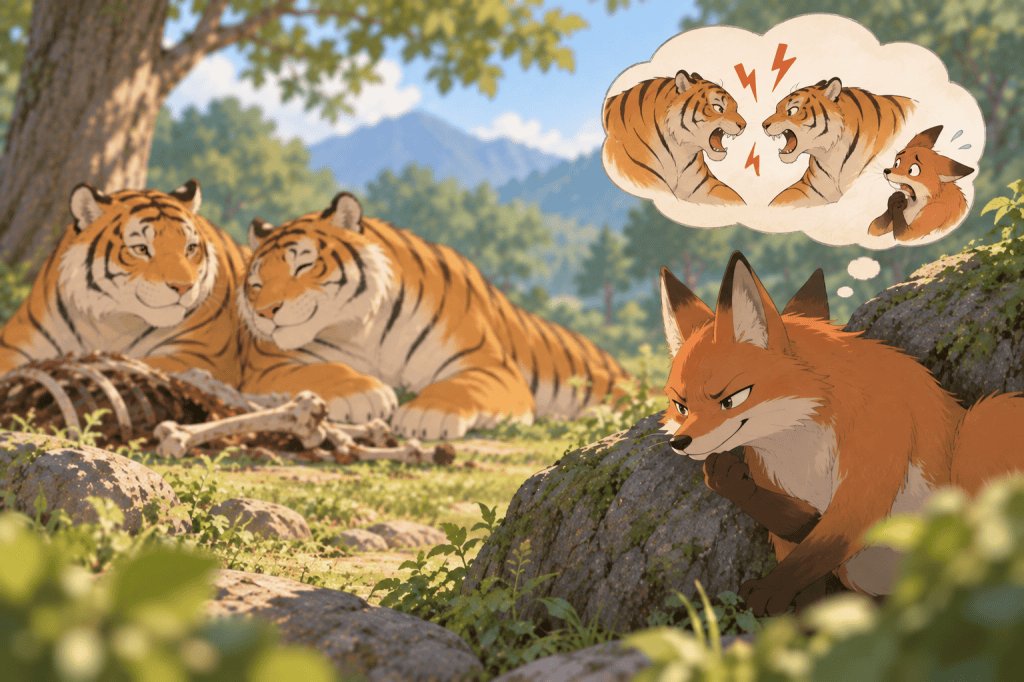
The Story of Two Tigers and a Cunning Fox

Because of the fox’s instigation, the next time the two tigers met, Shanya attacked Shanbo first.

Shanbo did not immediately fight back. Instead, he chose to retreat.

The Story of Two Tigers and a Cunning Fox

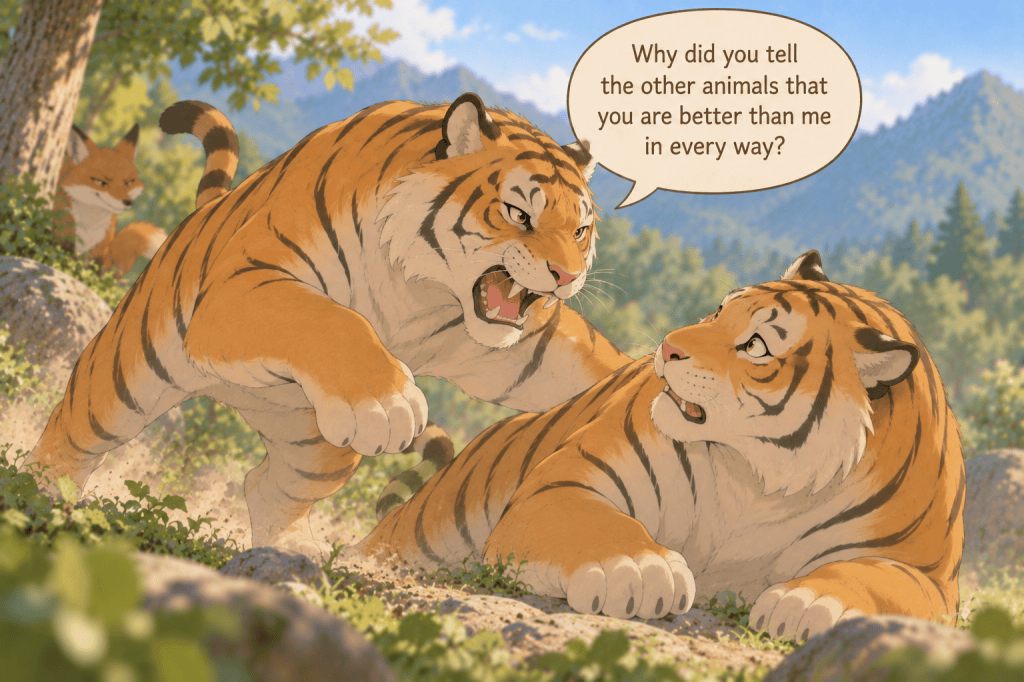
As Shanya continued attacking, he angrily rebuked Shanbo:

“Why did you tell the other animals that you are better than me in every way?”
The Story of Two Tigers and a Cunning Fox

Upon hearing this, Shanbo realized that something was wrong. He urged Shanya to calm down and explained:

“The truth is that the fox told me that you had been telling the other animals that I was inferior to you in every way.”
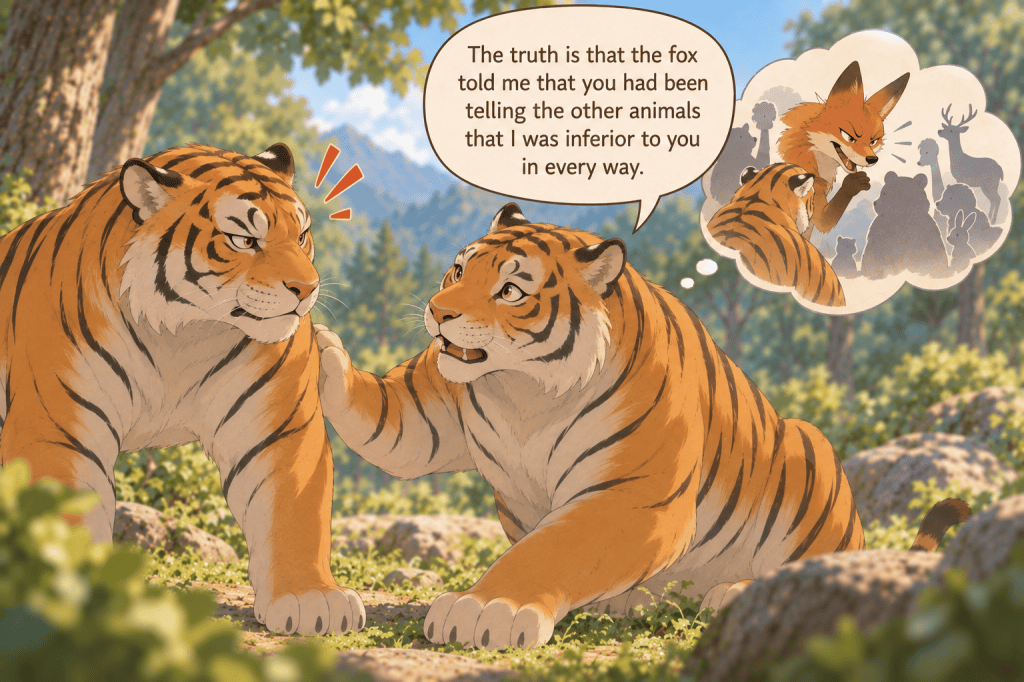
The Story of Two Tigers and a Cunning Fox

When Shanya heard this, he too realized that something was amiss. He immediately stopped fighting.
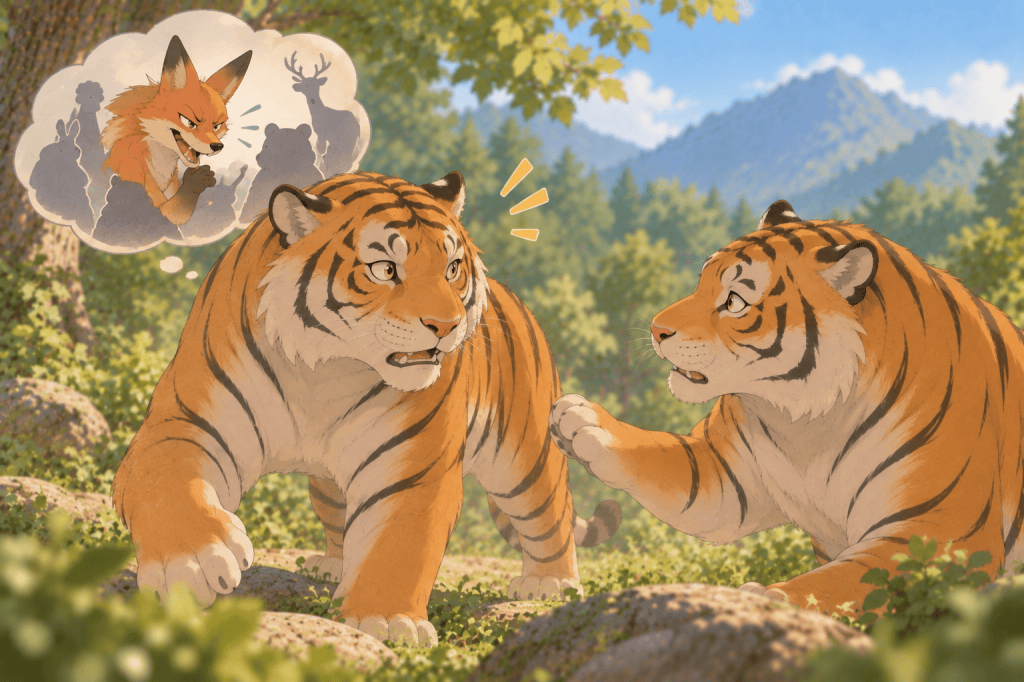
The two tigers resolved their misunderstanding and reconciled. From that time onward, they once again lived together peacefully, and tranquility returned to the forest.

The Lesson of the Story

This story teaches us not to readily believe rumors, become attached to disputes over right and wrong, or act impulsively without first understanding the situation. Had Shanbo immediately fought back instead of remaining calm, the fox’s deception could have led to serious consequences.

In our own lives, becoming entangled in arguments over who is right and who is wrong can consume our time and energy, damage relationships, and cause conflicts to escalate. Sometimes, the more we try to prove ourselves right, the more deeply we become entangled in the dispute.

Once we understand that matters of right and wrong are impermanent, we can learn not to let them occupy our hearts. When we refuse to be drawn into unnecessary disputes, they may gradually fade away. In this way, letting go of attachment to right and wrong benefits both ourselves and others.

Author: Duochi
Editor: Qu Yichen

Link:https://myhappylifestyle.net/2026/09/16/attachment-to-right-and-wrong-inevitably-brings-harm/

#DorjeChangBuddhaIII #Spirituality #Buddha #Buddhism

How Great Is the Power of One Person?

How Great Is the Power of One Person?

Namo H.H. Dorje Chang Buddha III once expounded the Dharma:

“A city does not need all the food a province produces, but that much food is far from enough to feed the whole country; it needs all the food the country can produce. The strength of an individual is nothing compared with collective strength.”

The meaning of this principle is that the size, corresponding energy, and function of all things in the world are relative and can be understood through comparison. Without comparison, we cannot discern what is large or small, nor can we understand the principles governing their appropriate application.

For example, if the farmland of an entire province were used to support only one city, it would seem vast and abundant. However, if an entire country had to depend on the farmland of just that one province, it would be insufficient to meet the needs of its people. Thus, the people of a nation require the land and resources of a nation to sustain them.

This illustrates an important principle: No matter how powerful an individual may be, and no matter how great that person’s abilities or talents are, the power of one person is ultimately limited. Only when the strength of many people is brought together can truly great power arise.

How can we better understand this principle? Let us consider several examples from everyday life.

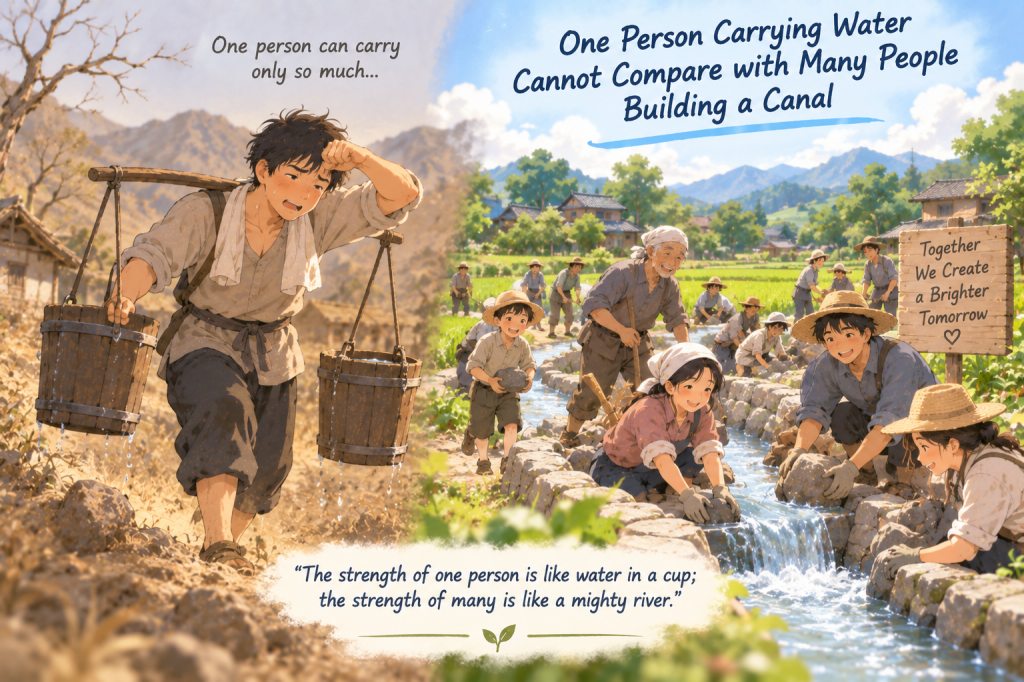
One Person Carrying Water Cannot Compare with Many People Building a Canal

Long ago, there was a mountain village that suffered from drought year after year. A remarkably strong man in the village could carry fifty loads of water each day, enough to support his own household and several neighboring families. The villagers praised him for his extraordinary strength.

But when a severe drought struck and hundreds of villagers desperately needed water, even his great strength was of little help. He broke his carrying pole and wore his shoulders raw, yet he still could not provide enough water for everyone.

Eventually, all the villagers—men and women, young and old—joined together to dig a canal, divert water, and build stone embankments. Three months later, clear water flowed into the village, and barren hillsides were transformed into fertile farmland.

The strong man sighed with realization:

“The strength of one person is like water in a cup; the strength of many is like a mighty river.”

Working Alone Cannot Compare with Advancing as a Team

At a technology company, there was a brilliant developer who independently created a piece of software with industry-leading performance. However, customers soon requested more than a hundred customized requirements. Despite working day and night, he was able to complete only a fraction of them.

The company later assembled a team. Some members specialized in interface design, others optimized algorithms, while still others communicated directly with customers. Within only three months, the team released multiple improved versions, and the company’s market share tripled.

The talented developer became thoroughly convinced of the power of teamwork:

“No matter how fast one person can run, he cannot outrun the wheels of a team moving together.”

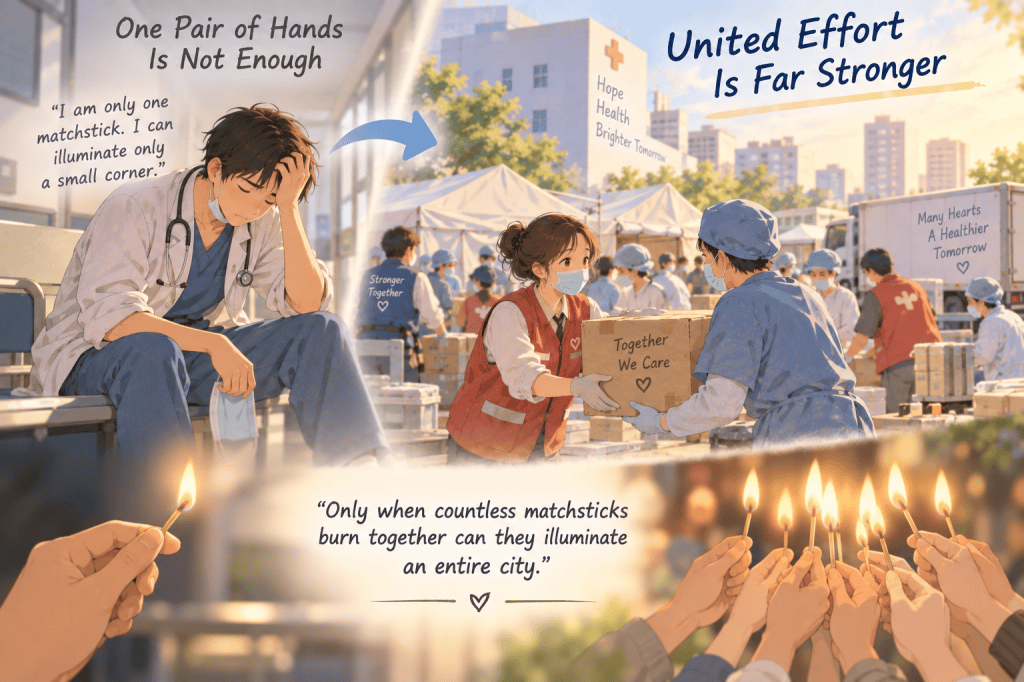
One Pair of Hands Is Not Enough; United Effort Is Far Stronger

“I am only one matchstick. I can illuminate only a small corner.”

This was the realization of a doctor who collapsed from exhaustion during an epidemic. He had worked continuously for 72 hours, treating dozens of patients, and people called him an “iron man.”

But when the number of infections surged into the thousands, his strength finally gave out, and he collapsed beside a hospital bed.

Soon afterward, medical workers, volunteers, logistics personnel, and community workers arrived from across the country in great numbers. Together, they built temporary medical facilities, delivered essential supplies, conducted screenings, and eventually brought the outbreak under control.

Reflecting on this, the doctor said:

“Only when countless matchsticks burn together can they illuminate an entire city.”

No matter how strong one person may be, that individual cannot surpass the strength created when many hearts unite. A single drop of water may seem insignificant, but countless drops come together to form an ocean. A handful of earth may seem inconsequential, but countless handfuls can rise into a mountain.

The principle expressed by the Buddha in the words, “A city does not need all the food a province produces, but that much food is far from enough to feed the whole country,” teaches us precisely this: the strength of an individual will eventually reach its limit, but when the strength of many is united, tremendous power can arise.

Yet if we wish to investigate more deeply and seek greater truths, we should seek them within the True Buddha Dharma expounded by Namo H.H. Dorje Chang Buddha III.

Alone, one may travel quickly; together, many can travel far.
The strength of one is limited; the strength of many is great.

May we cherish the light that each individual can offer while also understanding the importance of bringing together the flames of many. With our actions and with our hearts, may we put into practice the path of benefiting others.

By Yijie Xueren

Link: https://myhappylifestyle.net/2026/09/12/dorjechangbuddhaiii-how-great-is-the-power-of-one-person/

#DorjeChangBuddhaIII #Spirituality #Buddha #Buddhism

10 Essential Tips for Beating Jet Lag

Whether you are traveling for work, leisure, or visiting family, long-haul flights can be an amazing experience. You board a plane, watch a few movies, and before you know it, you have arrived on the other side of the world.

As exciting as long-distance travel can be, however, the disruption to your body clock can be challenging. Jet lag can leave you exhausted during the day, wide awake at night, and struggling to adjust to your new surroundings.

Fortunately, a little preparation can make a big difference. Here are 10 practical tips to help your body adjust more quickly and get your internal clock back on track.

1. Choose the Right Arrival Time

Choose the Right Arrival Time

Preparing for jet lag can begin as early as the moment you book your flight.

If you find it difficult to sleep on airplanes, consider choosing a flight that arrives at your destination in the evening. After checking into your hotel, you can go to bed at a relatively normal local bedtime.

If you usually sleep well during flights, arriving around midday may be a better choice. You will still have half a day to stay active and remind your body, “It’s time to be awake!”—even if your body thinks it is the middle of the night back home.

2. Break Up a Long Journey

Break Up a Long Journey

Generally, the more time zones you cross at once, the more noticeable jet lag can become.

If your schedule allows, consider breaking up a very long journey with a stopover. Spending a day or two somewhere between your departure point and final destination may give your body a chance to adjust gradually rather than dealing with a dramatic time change all at once.

It can also turn a long trip into an opportunity to explore another destination along the way.

3. Gradually Adjust Your Sleep and Meal Times

Gradually Adjust Your Sleep and Meal Times

A few days before departure, begin gradually shifting your sleeping schedule toward the time zone of your destination.

For example, if you normally go to bed at 11 p.m., try going to bed somewhat earlier or later each day, depending on the direction you are traveling.

You do not necessarily need to completely match your destination’s schedule before leaving. Even a modest adjustment may make the transition easier.

Changing your meal times gradually can also help your body adapt and may reduce the likelihood of becoming hungry in the middle of the night after you arrive.

4. Change Your Clock as Soon as You Board the Plane

Change Your Clock as Soon as You Board the Plane

Don’t wait until the plane lands to start thinking in your destination’s local time.

Once you are on board, change your watch and phone to the time at your destination. This can help you mentally begin adjusting to your new schedule.

If it is nighttime at your destination, try to sleep. An eye mask, earplugs, neck pillow, or other travel accessories may help create a more comfortable sleeping environment.

If it is daytime at your destination, try to remain awake. If you desperately need some rest, take a short nap rather than sleeping for several hours.

5. Try to Stay Awake Until Evening

After a long flight, especially one during which you slept poorly, your first instinct may be to go straight to bed.

However, sleeping for several hours during the daytime can make it more difficult to sleep that night and may prolong your adjustment.

Whenever possible, try to stay awake until a reasonable local bedtime.

If you are extremely tired and really need a nap, keep it relatively short so that you can still fall asleep that evening.

6. Get Plenty of Daylight

Sunlight is one of the most important signals your body uses to regulate its internal clock.

After arriving at your destination, spend some time outdoors during daylight hours. Take a walk, explore the neighborhood, or simply sit outside for a while.

Many travelers find eastward travel particularly challenging because the body often has to adjust to an earlier schedule. Exposure to daylight at appropriate times can help your internal clock begin adapting to the new time zone.

Even if you feel tired during the day, getting outside and staying moderately active can make it easier to adjust.

7. Limit Alcohol and Caffeine

When you are exhausted, it may be tempting to drink coffee to stay awake or alcohol to help you fall asleep. However, both can interfere with the quality of your sleep.

Having some coffee after arrival may be fine if it helps you remain awake during the day, but avoid caffeine too close to bedtime.

Alcohol may make you feel sleepy initially, but it can disrupt your sleep later in the night and may leave you feeling groggy the following morning.

Jet lag is uncomfortable enough on its own—you don’t need a hangover on top of it.

8. Create an Environment for a Good Night’s Sleep

When bedtime finally arrives, you may discover something frustrating: you have been sleepy all day, but suddenly you cannot fall asleep.

Try creating a calm and comfortable sleeping environment.

Put away electronic devices and give yourself 30 to 60 minutes to relax before bed. Consider using earplugs and an eye mask, closing the curtains to keep the room dark, and using a fan or another source of gentle white noise.

A quiet, dark, and comfortable room can make it easier for your body to recognize that it is finally time to sleep.

9. Get Up Early and Explore

Even if you slept for only a few hours, try to resist the temptation to stay in bed until late in the day.

Setting an alarm can help, but giving yourself a reason to get up may work even better.

Book a morning food tour, make a reservation at a popular breakfast or brunch restaurant, take an early walk, or plan a sunrise activity.

Getting outside, seeing daylight, moving your body, and interacting with other people can help reinforce your destination’s daytime schedule and encourage your body clock to adjust.

10. For Very Short Trips, Consider Keeping Your Home Schedule

For Very Short Trips, Consider Keeping Your Home Schedule

Adjusting completely to a new time zone can take several days. If you are traveling abroad for only a short period, completely shifting your body clock may not always be worthwhile—especially if you will have to readjust again immediately after returning home.

Depending on the time difference and your schedule, it may sometimes be more practical to maintain at least part of your normal routine.

For example, you might wake up unusually early at your destination or go to bed much earlier than local residents do. This approach can be particularly useful when your trip lasts only a few days.

Final Thoughts

Jet lag can make the first few days of a trip difficult, but thoughtful preparation can make the adjustment much easier.

Gradually adjusting your schedule before departure, following your destination’s local time once you board the plane, getting plenty of daylight after arrival, avoiding long daytime naps, and maintaining a consistent local bedtime can all help your body adapt.

Most importantly, give your body a little time. Before long, your internal clock should begin catching up with your new surroundings—leaving you free to enjoy your journey.

Link: https://myhappylifestyle.net/2026/09/11/10-essential-tips-for-beating-jet-lag/

#HealthyLifestyle #HealthyLife #Happylifestyle #wellness #JetLag

What Should You Truly Cherish in This Life?

What Should You Truly Cherish in This Life?

There is a thought-provoking story about a king who wanted to reward a servant for his many years of loyal service. The king gave him a special opportunity, saying, “Run as far as you wish. As long as you make a full circle and return here before sunset, all the land you encircle will be yours.”

Overjoyed, the servant began running forward without stopping, almost like a wild beast driven into a frenzy.

He ran and ran with all his might. Finally, just before the sun went down, he completed a vast circle and returned to where he had started. However, exhausted beyond endurance, he collapsed and died.

With great sorrow, the king buried him. In the end, the only land the servant truly obtained was the small plot of ground needed for his grave.

This story reveals a profound truth: People always hope to gain more, yet in the process of pursuing more, they often lose themselves and may even pay for it with their lives. In modern society, we too are often driven by our desires, constantly pursuing greater achievements, greater wealth, and more possessions. Yet amid this endless pursuit, are we not sometimes like that servant, overlooking the true value and meaning of life?

Namo Shakyamuni Buddha said in the Sutra of the Buddha’s Bequeathed Teachings:

“You should know that those with many desires, because they seek much gain, also suffer much distress. Those with few desires, having little seeking and craving, are free from such troubles.”

Excessive desires often bring endless exhaustion and anxiety, causing us to lose ourselves in the flood of material pursuits. Rather than constantly seeking more external possessions, we should stop and reflect: What is truly important? What is the genuine treasure that we should cherish?

In a Dharma discourse, Namo H.H. Dorje Chang Buddha III taught His disciples:

“The most valuable thing in the world is the great Buddha Dharma that can enable you to attain liberation from birth and death! If you can grasp the Buddha Dharma and cultivate yourself in accordance with the Dharma, you will be able to live when you wish to live and die when you wish to die. That is what is truly most valuable.”

Therefore, as long as we have enough food to sustain ourselves and our lives are manageable, we should quickly seize the opportunity to learn the Buddha Dharma well, take worldly matters lightly, cultivate ourselves earnestly, have few desires and be content, never err in matters of cause and effect, and strive to attain liberation from birth and death with certainty in this very lifetime. This is what makes a life truly worthwhile.

Jiangqiu Lunzhu
June 2024

Link: https://myhappylifestyle.net/2026/09/09/dorjechangbuddhaiii-what-should-you-truly-cherish-in-this-life/

#DorjeChangBuddhaIII #Spirituality #Buddha #Buddhism
There Is No Generation Gap—Am I the North Wind or the Sun?

There Is No Generation Gap—Am I the North Wind or the Sun?

There is a saying: “If you have never experienced what others have gone through, do not be quick to judge their faults. If you have never endured their suffering, do not be quick to tell them how they should behave. If you had suffered what I have suffered, you might not have done any better than I did.” Such a simple truth—yet I never realized how poorly I had practiced it in the past.

Ever since I was young, my father had raised me with a strict and authoritative approach. This was very different from my relationship with my mother, with whom I always seemed to have endless things to talk about.

As I grew older, friction between my parents gradually increased, leaving many negative impressions deeply embedded in my mind. My father and I rarely talked. Whenever my parents had a disagreement, I invariably took my mother’s side without trying to view the situation objectively. As a result, my misunderstandings of my father grew deeper and deeper.

During the years when I suffered most severely from illness, my father took care of me tirelessly and without complaint. Although I was deeply moved by everything he did for me, for some reason I could never let go of the memories of his arguments with my mother. Deep inside, I still harbored resentment toward him.

After my mother passed away, my father was overwhelmed with grief. Yet he often pulled himself together to encourage me, simply because he was afraid that remembering my mother would make me sad and bring me to tears.

Now that only my father and I remained to keep each other company, the awkwardness of having so little to talk about became even more apparent. Sometimes when I accompanied him on walks, I would become impatient when he repeatedly talked about things from the past. Although this was his way of expressing his emotions, I failed to recognize the helplessness and loneliness hidden behind his words.

Instead, I behaved almost like a fault-finding inspector. Even as I listened to him, I would contradict or correct him. Our conversations would often end with him saying, “If you don’t like talking to me, at least don’t lose your temper with me!”

I do not know how many times this pattern repeated itself. Then one day, I suddenly became alarmed by my own conduct. I realized what an inconsiderate daughter I had been. I had continued to hold on to the painful memories of my parents’ arguments, and because of that, I had never truly listened to what was in my father’s heart.

I began to think: We can change ourselves without demanding that others change, can’t we? Moreover, how could I possibly understand all the causes and conditions underlying the relationship between my parents?

I therefore resolved to become a gentler and more understanding daughter. I began training myself to truly listen, to let go of the burdens and attachments of the past, and to sincerely fulfill my filial duty toward my father.

It reminded me of Aesop’s famous fable, “The North Wind and the Sun.” I was determined to be the sun!

Gradually, my relationship with my father became more and more harmonious. Whenever I am not by his side, I call him at a regular time each day to see how he is doing. When I return home, I also make an effort to spend more time talking with him. Over time, my father has come to feel that I genuinely care about him.

My father and I had once been almost like strangers, but now we live together in harmony. I deeply understand that this transformation came about through genuinely learning and practicing Buddhism. It is also a result of frequently listening respectfully to the Dharma discourses expounded by Namo H.H. Dorje Chang Buddha III, through which I received purification and blessings.

The Buddha Dharma exists in this world and is inseparable from awakening within this world. There is no knot in life that cannot be untied. What matters is whether we are willing to let go of our attachments and make the change.

Link: https://myhappylifestyle.net/2026/09/08/there-is-no-generation-gap-am-i-the-north-wind-or-the-sun/

#DorjeChangBuddhaIII #Spirituality #Buddha #Buddhism

When I Came to Understand the Pain Deep Within My Mother’s Heart

When I Came to Understand the Pain Deep Within My Mother’s Heart

Through participating in group study, respectfully and deeply listening to the Dharma discourses expounded by my Buddha Master, Namo H.H. Dorje Chang Buddha III, and sharing what I had learned with others, I gradually came to understand and feel the pain deep within my mother’s heart.

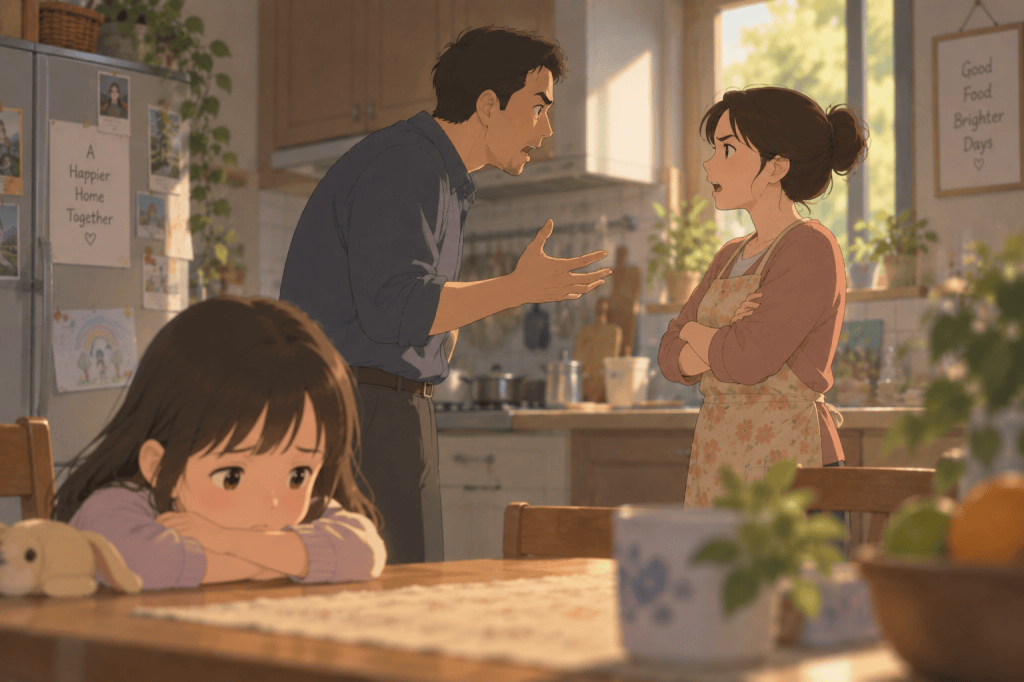
For as long as I can remember, my parents were constantly arguing. During holidays and festivals in particular, our home would become filled with tension. After an argument, my mother would always wear a stern expression and remain silent, while my father would sigh repeatedly, not knowing what to do.

After encountering the Tathagata’s True Dharma taught by H.H. Dorje Chang Buddha III, I wanted to resolve a question that had puzzled me for a long time: My mother had everything she needed in terms of food and clothing and was free from serious illness or misfortune, so why did she complain every day? She would either say that my father did not treat her well or feel that my younger brother and his wife did not treat her well. She would become so upset that she sometimes could not sleep all night.

My mother cared greatly about maintaining appearances, even when doing so caused her hardship. She especially doted on my younger brother, whom she treasured dearly. To ensure that he could hold his head high in front of his wife’s family, my mother used almost all of her savings to buy them a home and a garage.

Whenever there was an important occasion or even a smaller matter involving my sister-in-law’s family, my mother always handled everything generously and properly. She would rather live frugally herself than allow my brother to lose face.

Yet despite all she had done, my brother seldom contacted her. Although they lived in the same city, he rarely checked in on her, much less came to see her. I could feel how deeply my mother missed her son. She would often ask me, “I wonder what your brother has been so busy with lately?”

To tell the truth, seeing my mother like this made my heart ache, and I also felt deeply concerned about my inability to help her. How I wished she could learn the true Dharma of the Tathagata with me! After all, it was through learning the true Dharma of H.H. Dorje Chang Buddha III and developing right understanding and right views that I myself had been able to free myself from the suffering caused by my divorce.

Having personally experienced the benefits of learning Buddhism and cultivating myself, I tried to persuade my mother not to dwell on the things that troubled her. I explained to her that these circumstances were the result of causes, conditions, and karmic forces planted in the past. But she did not agree with what I told her.

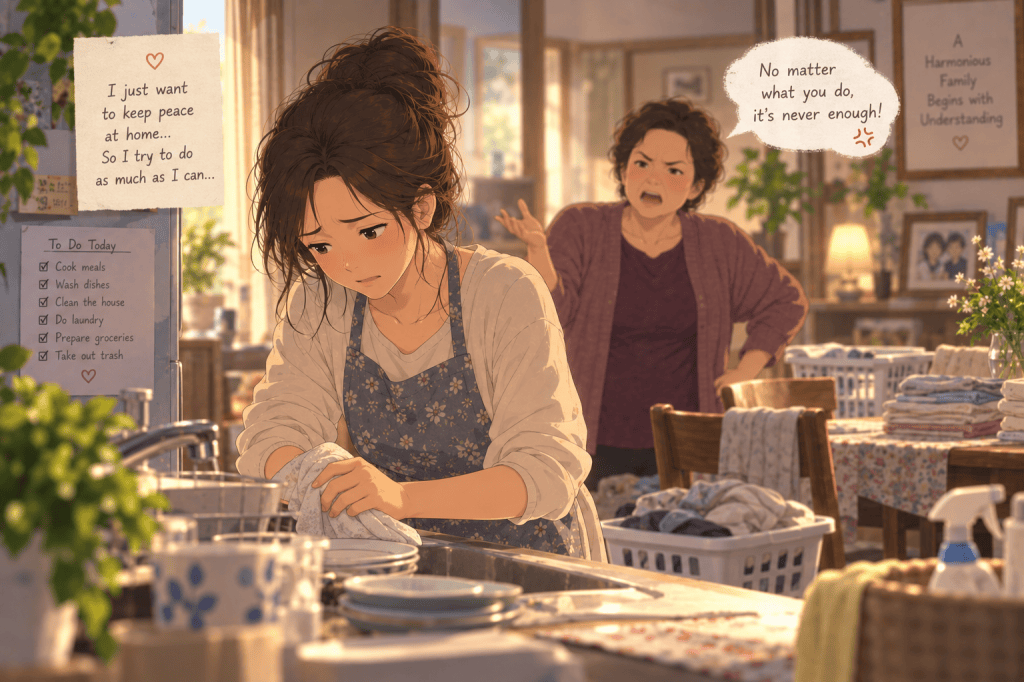
To avoid upsetting my mother, I tried to take care of nearly all the household chores myself so that she would have to do as little as possible for my single-parent household. Yet strangely, the more responsibilities I took upon myself, the more upset she seemed to become. No matter what I did, I could not seem to make her happy.
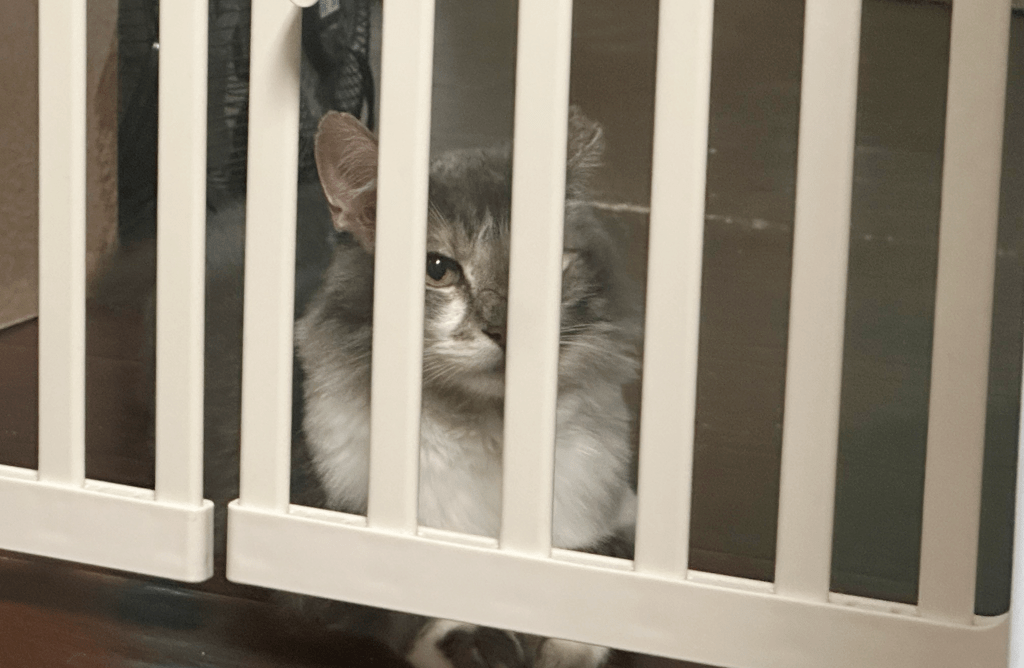
Back then, I lived very cautiously around her, afraid that something I said or did might cause her to become upset and silently resentful. I also tried communicating with her, but she would often remain silent and keep everything bottled up inside.

Through respectfully studying Expounding the Absolute Truth Through the Heart Sutra, I brought forth right mindfulness and finally came to understand how I should correctly practice the Four Immeasurables of loving-kindness, compassion, empathetic joy, and equanimity. I first needed to begin with equanimity and selfless giving—to be willing to devote my time to considering the needs of my family. Caring for them was not merely about making sure they had enough food, warm clothing, and money to spend. I also needed to learn to recognize and understand the suffering within their hearts.

I began to sincerely spend time with my mother, and gradually I discovered that the ice within her heart was beginning to melt. Instead of telling her, “Don’t be angry anymore” or “Don’t hold on to resentment,” I began placing the responsibility upon myself: I needed to understand the pain within my mother’s heart, listen to what her heart was trying to tell me, help heal her emotional wounds, and help her establish right understanding and right views.

When my mother complained, I became willing to set aside my time and sit quietly beside her, listening attentively. I no longer used the principle of “cause and effect” to argue with her until she had nothing left to say.

When she felt physically tired, I would take the time to massage the acupressure points on her feet and ask her whether the pressure was too light or too strong. When she felt bored, I would willingly spend time with her and chat about everyday family matters instead of lecturing her about principles and doctrines.

The more I tried to understand the pain in my mother’s heart, the more she began saying things like, “Don’t waste your time on me. I don’t need you to keep me company. Go take care of the children. Once you’ve taken care of everything for them, go do whatever you need to do.”

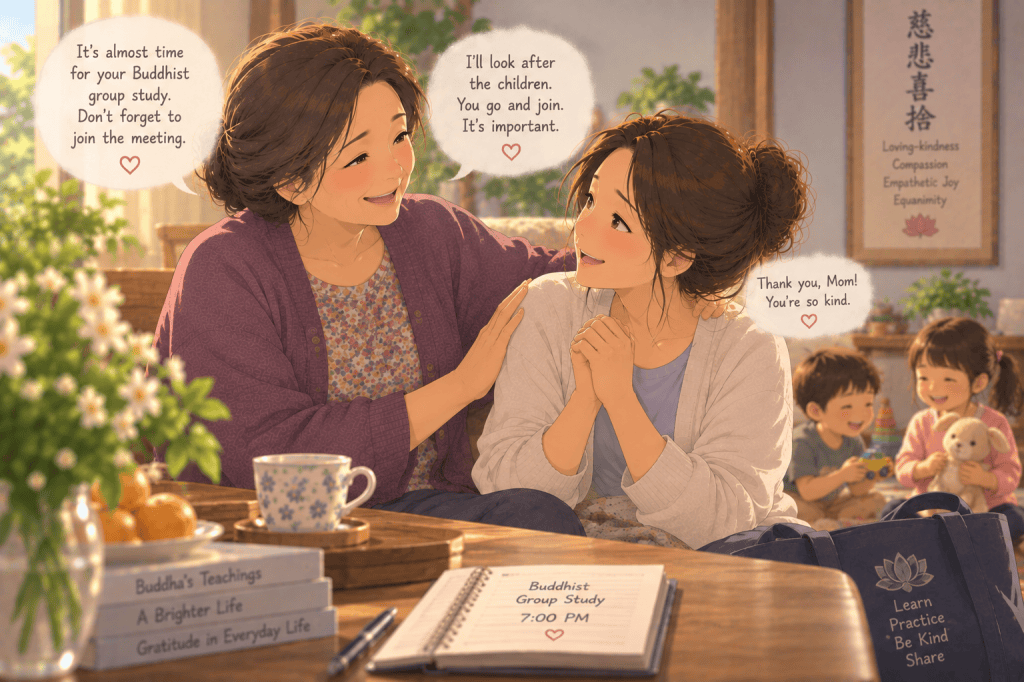
What surprised and delighted me even more was that my mother eventually began reminding me herself, “It’s almost time for your Buddhist group study. Don’t forget to join the meeting. I’ll help you look after the children.”

I had finally gained my mother’s support. And it happened simply because I had learned to recognize the pain within her heart and was willing to devote my time to sincerely being there for her.

This is exactly what the H.H. Dorje Chang Buddha III teaches in the Dharma discourses: we must put our cultivation into actual practice and cultivate ourselves with respect to the three karmas of body, speech, and mind. We must be sincere in our words and actions and in the way we interact with and treat others. Only by putting genuine effort into our conduct in everyday life can we truly touch the hearts of others.

Contributed by: Ji Cheng / Kui Xing

Link: https://myhappylifestyle.net/2026/09/06/dorjechangbuddhaiii-when-i-came-to-understand-the-pain-deep-within-my-mothers-heart/

Caring for Animals Starts with Me

Caring for Animals Starts with Me

Small animals are among the most vulnerable living beings around us. They need our care and protection, and every life deserves to be respected. So, what can we do to better care for and protect animals?

1. Do Not Abuse Animals

Animal abuse is unethical. It not only causes physical harm and suffering to animals but can also negatively affect our own hearts and minds. We should respect all life, treat animals with kindness, and never abuse or harm them.

2. Protect the Environment

The natural environment is the home on which animals depend for survival. We should each do our part to protect the environment, reduce pollution, and provide animals with a safe and healthy habitat.

For example, we can reduce our use of plastic bags, disposable tableware, and other single-use products, while choosing more environmentally friendly ways to travel whenever possible.

3. Care About Animal Welfare

Animal welfare refers to the basic well-being that animals should enjoy in their lives. We should pay attention to their living conditions, respect their natural habits and behaviors, and refrain from arbitrarily hunting, capturing, or trading wild animals. We should also avoid unnecessary interference that may cause animals harm or distress.

4. Adopt Instead of Buying

When considering bringing a pet into our lives, we should consider adoption from a reputable animal shelter or rescue organization and give special care to animals that are sick, vulnerable, or have suffered abuse.

We should also support the rescue and adoption of stray and homeless animals, giving them the opportunity to find a safe, loving, and warm home.

Link: https://myhappylifestyle.net/2026/09/05/caring-for-animals-starts-with-me/

Video Link: https://www.youtube.com/shorts/BV1Jx0gOgNM

#CareForAnimals #AnimalsLovers #CompassionForAnimals #AnimalsProtection

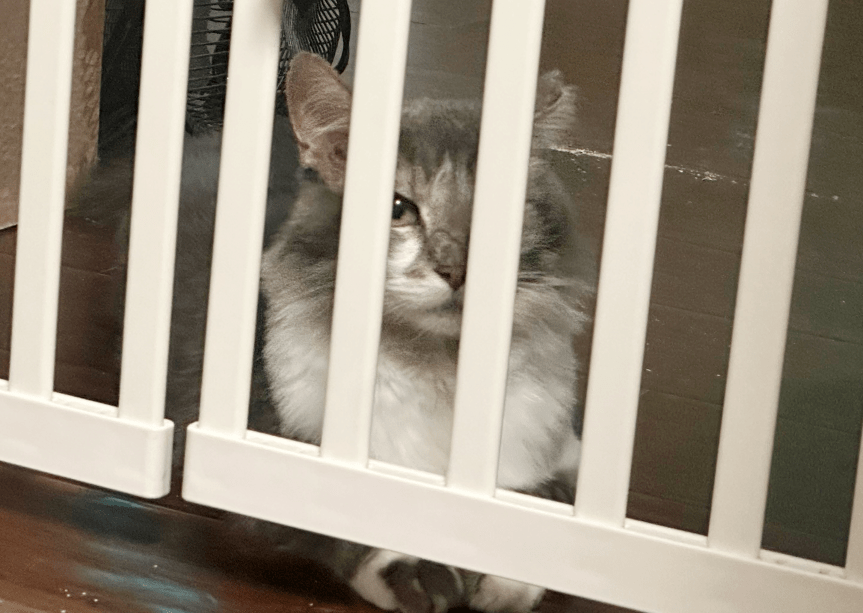
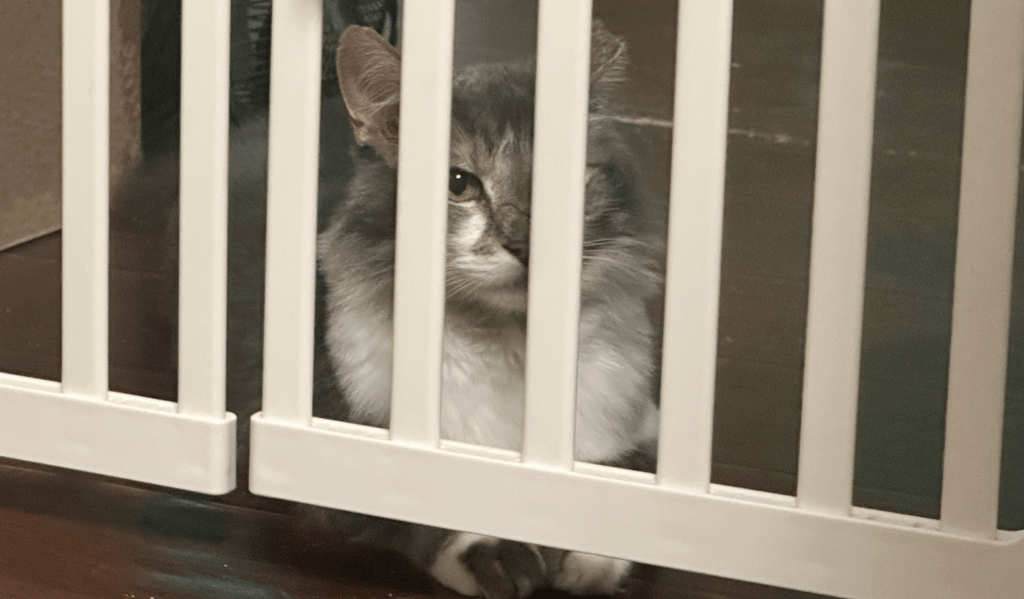
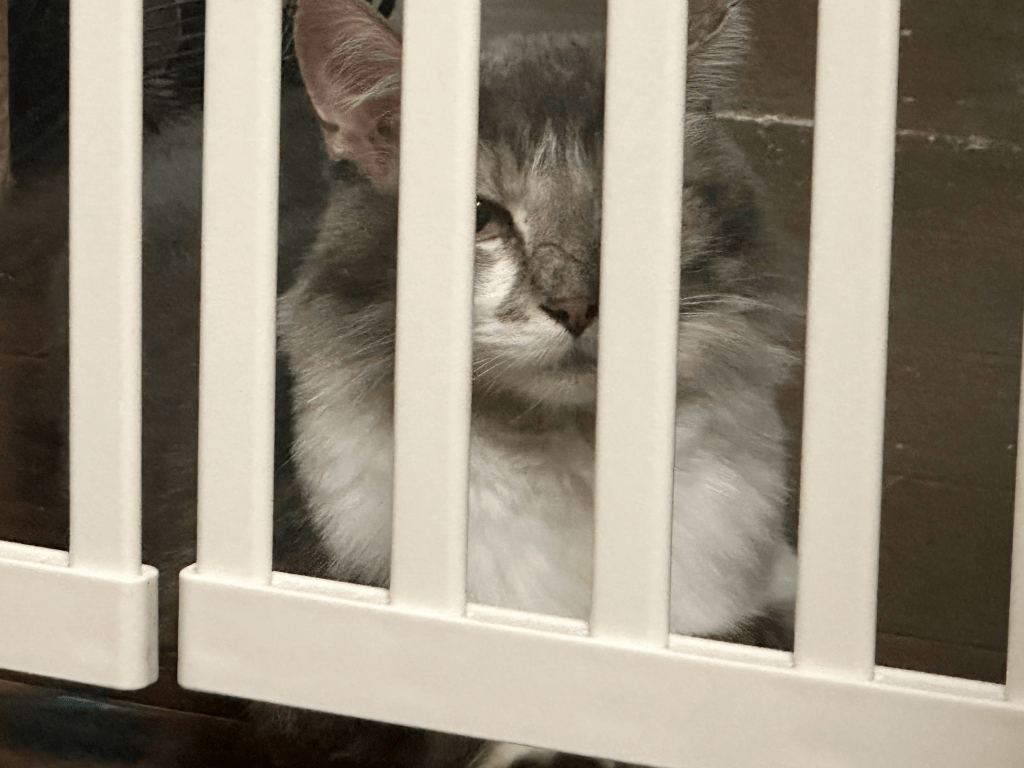
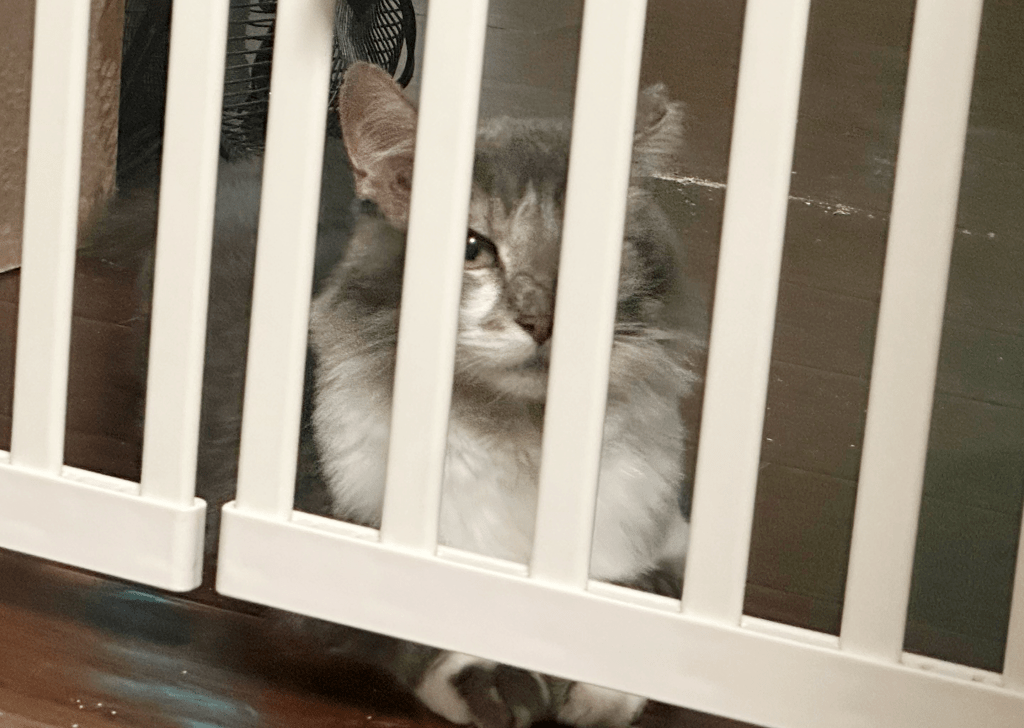
My cat watching me feed the possum last night…

I don’t think I’ve ever seen such a complicated expression on a cat’s face before. It wasn’t just jealousy — it was sadness, disappointment, and the tiniest bit of “how could you?” all mixed together.

The possum is happily munching away, completely oblivious, and meanwhile my cat is sitting in the corner like:
“Wow… I thought I was your favorite. Guess I was wrong.”

I swear, the look cut deeper than claws. If guilt trips were an Olympic sport, my cat would take gold. 🐱🥺🦝

Cats really are just like babies — gotta love them. 💖

Link: https://myhappylifestyle.net/2025/09/16/my-cat-watching-me-feed-the-possum-last-night/

#funnycats #catlife #catexpression #catlove #jealouscat #sadcat #catstory #catmoments #catandpossum #petdrama #catattitude #catsofinstagram #possum #petlove #catsarelikebabies

Ariana Madix Wants to Help You Couple Up with the Perfect Rescue Pet

The ‘Love Island USA’ host has joined ASPCA’s Rescue Effect campaign to raise awareness about pet adoption and fostering

Ariana Madix and her dog, Mya Moon. Credit : ASPCA

A new animal lover has entered the ASPCA villa.

On Aug 22, the ASPCA announced that Ariana Madix has joined the animal welfare organization’s Rescue Effect campaign, created to help promote pet adoption from local rescues and shelters.

Madix, a proud rescue parent herself, will be adding a boost of attention to adoptable pets nationwide by promoting the Rescue Effect campaign on her social media channels from now through October.

“When you visit a shelter, you’ll see so many wonderful animals just waiting for a second chance,” the Love Island USA host said in a statement. “Choosing to adopt even one pet creates a ripple — not just for that animal, but for others who now have a better chance at finding a home, too.”

The Rescue Effect campaign and Madix’s support come at a critical time. According to the ASPCA, nearly 6 million dogs and cats entered shelters and rescues in 2024. Unfortunately, many of these rescue pets, especially dogs, are staying in shelters longer, putting more strain on shelters’ already limited resources, and leaving less room for other animals in need.

For those who can’t adopt a pet. Madix and the ASPCA encourage them to consider fostering, which gives rescue pets time out of the stressful shelter environment and frees up shelters to take in more animals who need care.

Ariana Madix and her cat, Kitty. Credit: ASPCA

Madix also wants people to foster or adopt a pet in the next few months, because she knows how much love these furry friends can bring to your life. She is currently a pet mom to two adopted cuties — 18-year-old cat Kitty and 6-year-old pit bull mix Mya Moon — and has given a forever home to numerous animals throughout her life.

“Pet adoption and rescue have been important to me since I was a little kid. My mom shared my love for animals, and she gave me the instinct to help them,” the former Vanderpump Rules star said. “I want people to know there are amazing animals in shelters who match all the things they say they’re looking for — whether it be breed, size, or age. These animals do exist in shelters — just go look.” 

Over 550 shelters and rescues nationwide are participating in The Rescue Effect, working with the ASPCA and Madix to promote pet adoption in hopes of reducing the time animals spend waiting for loving homes.

“We’re thrilled to have Ariana Madix join the ASPCA for The Rescue Effect and use her voice to advocate for the millions of adoptable animals in need of loving homes,” Christa Chadwick, vice president of shelter services for the ASPCA, said. “Her support will help drive national awareness of the critical role shelters and rescue groups play in saving animals’ lives — and how every adoption makes a positive, lasting impact on even more.”

Ariana Madix and Mya Moon. Credit: ASPCA

Never miss a story — sign up for PEOPLE’s free daily newsletterto stay up-to-date on the best of what PEOPLE has to offer​​, from celebrity news to compelling human interest stories.

Along with enlisting Madix for The Rescue Effect, the ASPCA is also providing $2 million in grant funding to more than 100 shelters for the campaign, so the shelters can waive adoption fees and cover operating costs.

For more information about the ASPCA’s Rescue Effect campaign and to find a participating shelter or rescue, visit aspca.org/therescueeffect. 

Link: https://myhappylifestyle.net/2025/08/27/ariana-madix-wants-to-help-you-couple-up-with-the-perfect-rescue-pet/

Source: https://people.com/ariana-madix-joins-aspca-to-promote-pet-adoption-11795710?utm_source=chatgpt.com

#PetAdoption #AdoptDontShop #ArianaMadix #RescueEffect #CelebritiesForAnimals #AnimalAdvocacy #AnimalRescue #AdoptAPet #SaveAnimals #FosterPets #PetRescue #ASPCA #PetLovers #LoveIslandUSA

Embracing Compassion: The Heartbeat of Humanity in Our Connection with Animals

In the tapestry of our world, amidst the bustling lives we lead, exists a delicate yet profound connection that transcends species boundaries—the connection between humanity and the animal kingdom. This bond, woven with threads of empathy, kindness, and understanding, is the embodiment of compassion for animals.

The Symphony of Empathy:

Compassion for animals resonates in the symphony of empathy that beats within our hearts. It is the understanding that animals experience emotions, forge bonds, and cherish life’s moments, much like we do. Their joys, fears, and pain are not mere echoes but heartfelt realities.

In the Eyes of Compassion:

Gaze into the eyes of an animal, and you’ll find a world brimming with stories—stories of resilience, loyalty, and unconditional love. It’s in these moments of connection that compassion finds its voice, echoing the call to honor and respect the lives that share our planet.

The Ethical Imperative:

Compassion isn’t just a feeling; it’s a guiding principle that propels us toward ethical choices. It challenges us to question the systems that exploit, harm, or disregard the welfare of animals. It champions the cause of humane treatment and advocates for a world where every life is valued.

From Heart to Action:

Compassion ignites action. It fuels advocacy efforts, inspiring individuals to stand as guardians for those who cannot speak for themselves. It fuels movements, it drives us to create sanctuaries, rescue animals in need, and nurture environments where animals thrive.

A Symphony of Change:

As our world evolves, so does our understanding of compassion for animals. It’s about embracing sustainable practices, nurturing wildlife, and supporting initiatives that safeguard their habitats. It’s about choosing a lifestyle that reflects kindness, reducing our footprint on the earth they share with us.

The Ripple Effect of Compassion:

Compassion for animals extends far beyond the animals themselves. It enriches our lives, teaching us patience, humility, and the beauty of coexistence. It fosters a more empathetic and caring society, reflecting the essence of our humanity.

A Promise of Hope:

In every act of compassion, a promise of hope emerges—a promise of a world where every life is cherished, respected, and allowed to flourish. It’s a world where our kinship with animals enriches our existence and defines the legacy we leave behind.

In the tapestry of humanity, compassion for animals is the golden thread that weaves a brighter, more compassionate future. As we navigate this shared journey, may our hearts resonate with the harmony of empathy, kindness, and love for all living beings.

Video Link: https://youtu.be/P9C8z-vgVzs

Link: https://myhappylifestyle.net/2024/01/03/embracing-compassion-the-heartbeat-of-humanity-in-our-connection-with-animals/

#Compassion #AnimalWelfare #compassionateliving #animalprotection #Lovinganimals #lovinglivingbeings #animalslovers #animals #Lovelife #lovelifecare #lovenature #animalkingdom #compassionforanimals #EmpathyAndKindness #humananimalbond #EthicalTreatmentOfAnimals #AnimalAdvocacy #HumaneLiving #WildlifeConservation #EmpatheticSociety #KindnessToAnimals