

Recognize Your Shortcomings and Strive Forward; Though the Mountain Is Distant, Press On
A few days ago, I came across a saying: “Recognize your shortcomings and strive forward; though the mountain is distant, press on.” I found it deeply thought-provoking.
Taken literally, it means that when we recognize our shortcomings, we should strive to improve ourselves; when we see that the mountain ahead is distant and the path rugged, we should gather our strength and continue moving forward.
This saying also reminds us to look far ahead and establish lofty aspirations and goals. No matter how difficult the road before us may be, we should continue striving toward them.

As Namo H.H. Dorje Chang Buddha III taught in Philosophical Sayings on Worldly Matters:
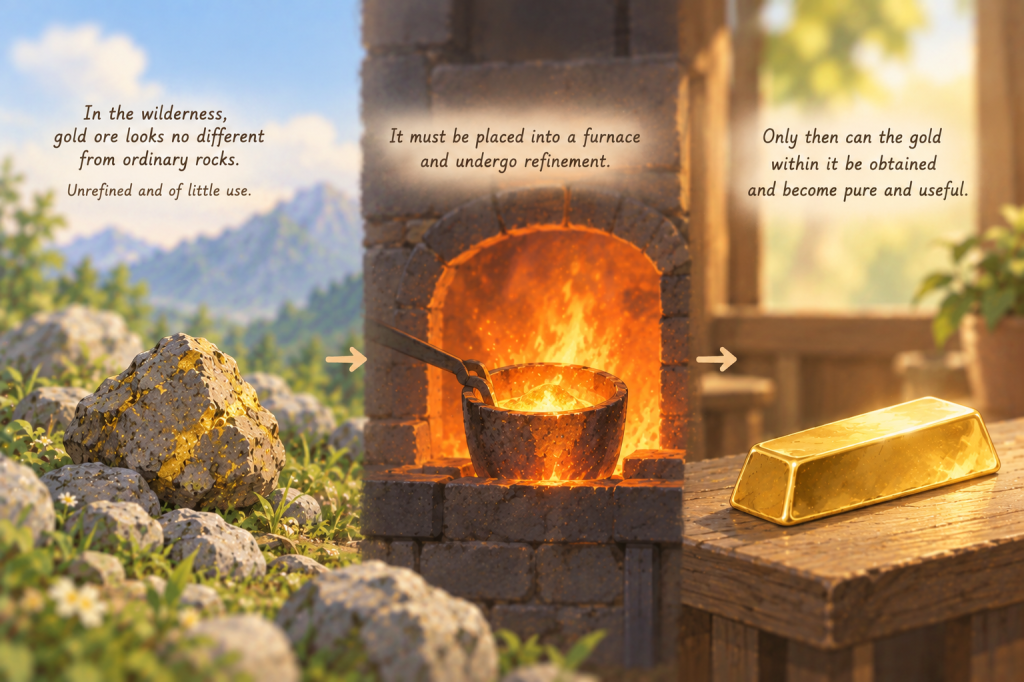
The rigors of life are what a person wishing to become a worthy member of society has to undergo. This process can be compared to the smelting of rocks to extract the gold they contain. Without being subjected to the heat, rocks will remain just rocks and lie useless in the wilderness. Because the gold requires hard work to extract, it has extra value. That is why one should cherish the fortune he has won the hard way.

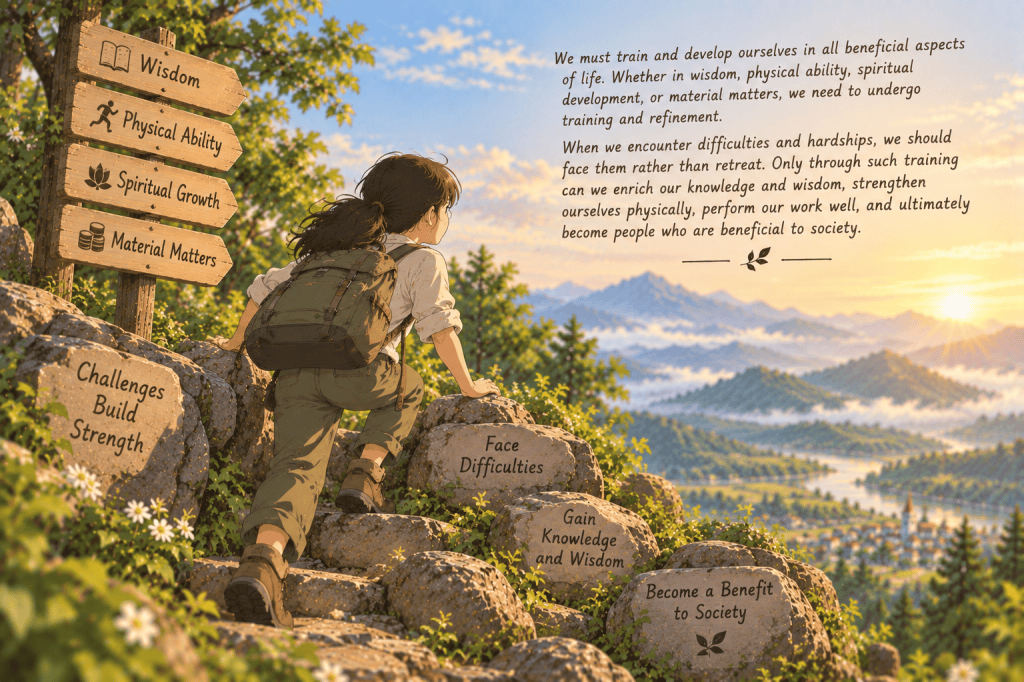
The meaning is that we must train and develop ourselves in all beneficial aspects of life. Whether in wisdom, physical ability, spiritual development, or material matters, we need to undergo training and refinement.
During this process, when we encounter difficulties and hardships, we should face them rather than retreat. Only through such training can we enrich our knowledge and wisdom, strengthen ourselves physically, perform our work well, and ultimately become people who are beneficial to society.
It is just like gold ore, which must be refined in a furnace before it can become pure gold. If a piece of gold ore is never placed into the furnace, the gold within it cannot be obtained. If it is simply left in the wilderness, among mountain valleys, cliffs, rocks, and wild vegetation, it appears no different from the ordinary stones around it—unclean, unrefined, and of little use. Put simply, without refinement, it remains nothing more than an ordinary piece of rock.
Likewise, as human beings, we must use various beneficial ways to train and refine ourselves, developing our knowledge and abilities, building successful undertakings, and cherishing the happiness that results from our efforts.
If blessings and happiness could be obtained effortlessly, there would be no need for us to train ourselves or strive for anything. It is precisely because happiness and blessings are often attained through trials and refinement that we should especially cherish what has not come easily. By knowing how to cherish our blessings, we can continue to enjoy the benefits they bring.
From this teaching, we can clearly see that there is no such thing as instant success. Genuine growth and achievement are inseparable from continuous effort and refinement. When confronted with difficulties and hardships, only by facing them courageously and refusing to fear setbacks can we improve ourselves through repeated trials and ultimately achieve genuine transformation.

The Same Is Even More True in Learning Buddhism and Cultivation
What is true of worldly accomplishments is even more true of learning Buddhism and cultivating ourselves.
In the process of transforming from an ordinary being into a holy being, we will inevitably encounter various obstacles, hardships, and trials. If we become afraid of these difficulties and refuse to move forward, we will forever remain ordinary beings. We will not be able to transform from ordinary beings into holy beings, nor will there be hope of transcending the suffering of samsara.
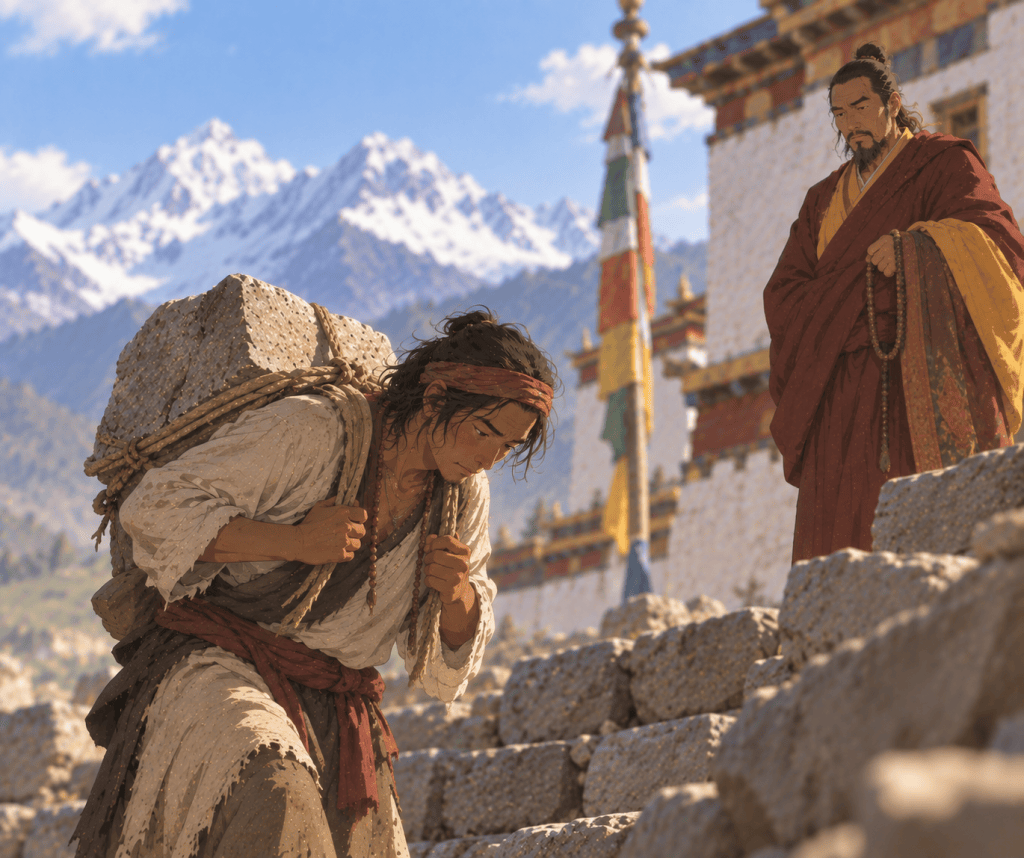
When Patriarch Milarepa sought to learn the Buddha Dharma from Master Marpa, he endured extraordinary hardships that ordinary people could scarcely bear, yet he did so without complaint. Without his determination to seek the Dharma and his perseverance in the face of such severe trials, there could not have been the Milarepa who later became such an accomplished practitioner.
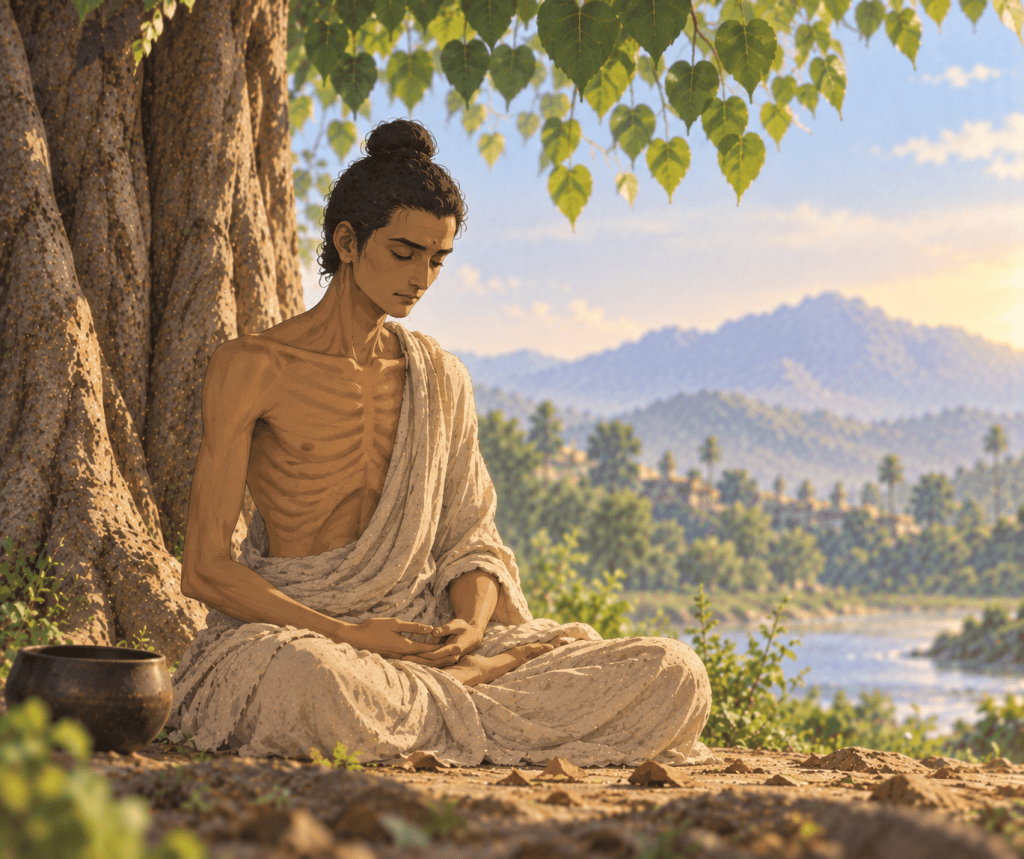
Likewise, before attaining Buddhahood, Namo Shakyamuni Buddha underwent six years of ascetic practice in pursuit of the ultimate truth. Had the World-Honored One not resolved to seek the path in order to liberate living beings from the suffering of birth, aging, sickness, and death, who knows when Buddhism would have arisen in the Saha world?
Therefore, if we who learn Buddhism wish to attain accomplishment and liberation, we must persevere through the trials and hardships we encounter.
No matter how difficult life becomes, we should remain content even in poverty and never covet wealth obtained through unrighteous means. When confronted with ridicule or abusive words, we should remain composed rather than responding with insults or harsh speech. No matter how exhausting our work may be, we should not become lax and should always regard learning Buddhism as our primary undertaking. When we encounter attacks, slander, or isolation, we should remain calm rather than respond with anger, hatred, or retaliation.

In short, we can no longer simply act according to our impulses as we may have done before learning Buddhism. We must discipline ourselves in all circumstances, guard our minds, uphold what is right, and stay away from wrongdoing.
No matter how difficult the adversity we encounter, we must persevere. If we continue persevering, perhaps at the next turning point, good fortune and blessings may arrive when we least expect them.
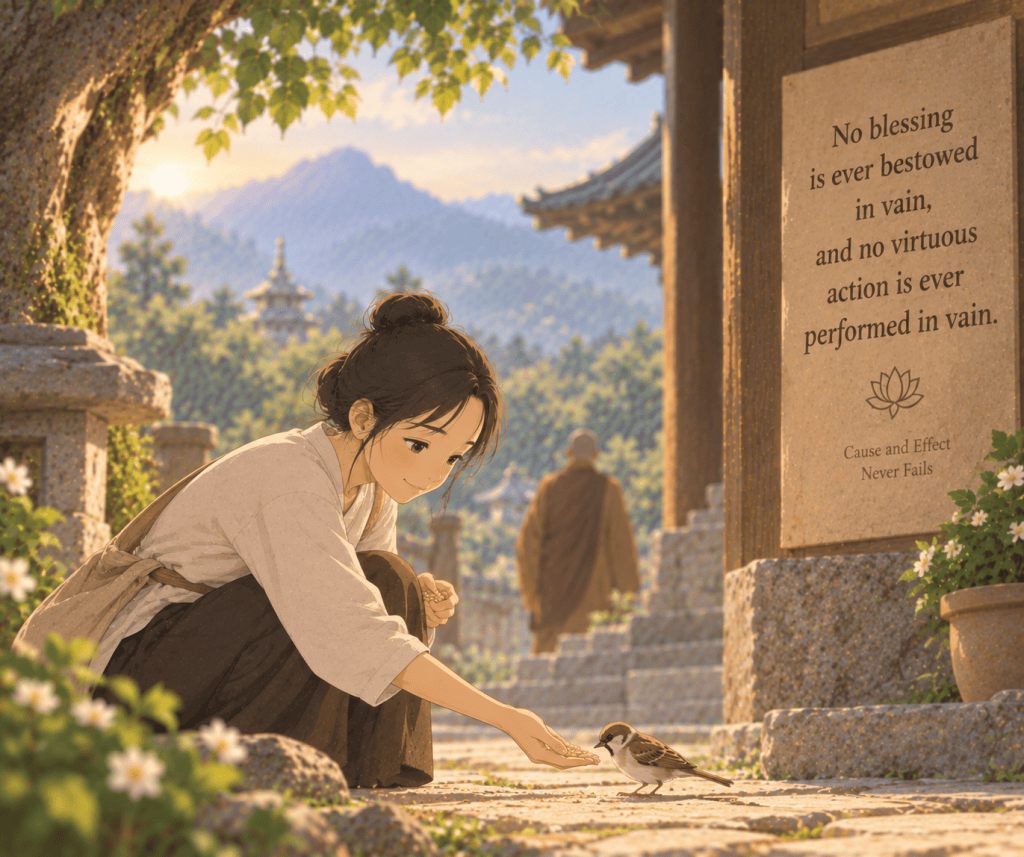
There is a saying: “No blessing is ever bestowed in vain, and no virtuous action is ever performed in vain.” This is precisely related to the law of cause and effect.
Of course, cultivation progresses through one stage after another. Each stage brings its own trials, and each stage may also bring its own unexpected joys. When joyful circumstances arise, we should not become carried away; when obstacles appear, we should not complain.
If we can always maintain a peaceful yet steadfast mind and refuse to retreat in the face of difficulties, then profound transformation—turning from an ordinary being toward holiness—can ultimately be realized.
May these words serve as mutual encouragement for all those who are striving to better themselves and move forward.
Written by: Fuyao Zhishang
Editor: Dongji
#DorjeChangBuddhaIII #Spirituality #Buddha #Buddhism


thank you for sharing!
LikeLike